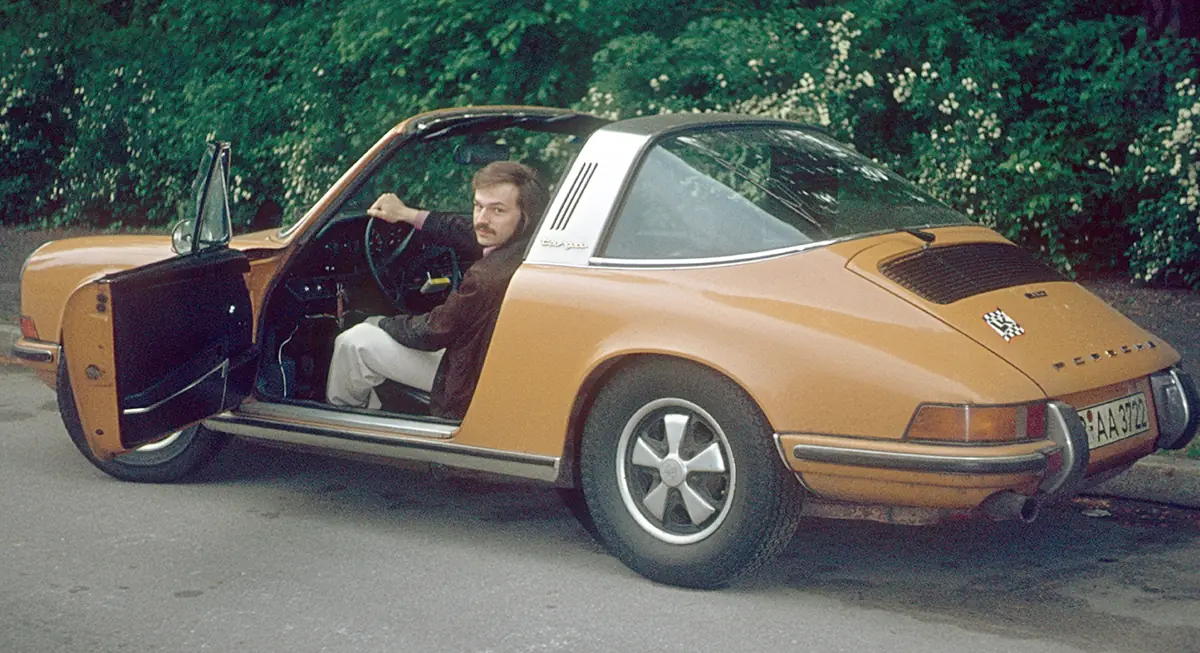
The 1970s saw cars that became instant classics. It marked the appearance of sleek lines and muscle-packed power design, while others pushed the limits of innovation, for better or worse. Let’s check out a few classic cars that defined a wild automotive era.
1970 Chevrolet Chevelle SS 454
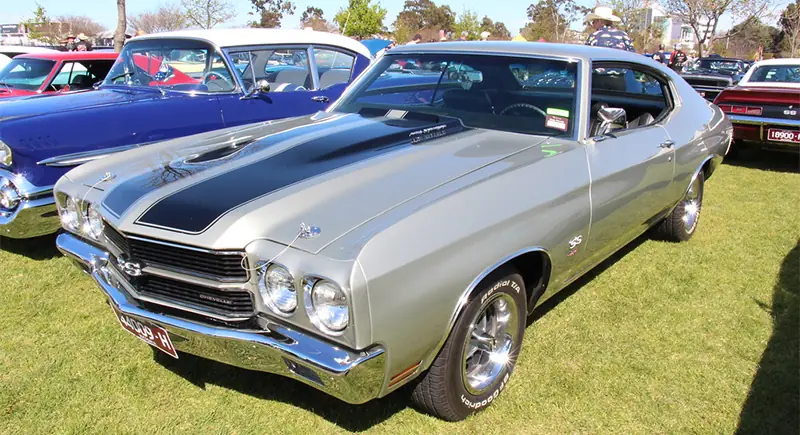
The 1970 Chevrolet Chevelle SS 454 packed a monstrous 7.4-liter V8 that cranked out up to 450 horsepower. It was one of the most powerful production cars of its time, and it didn’t just look aggressive—it delivered serious speed. It was a muscle car with a serious attitude.
1971 De Tomaso Pantera
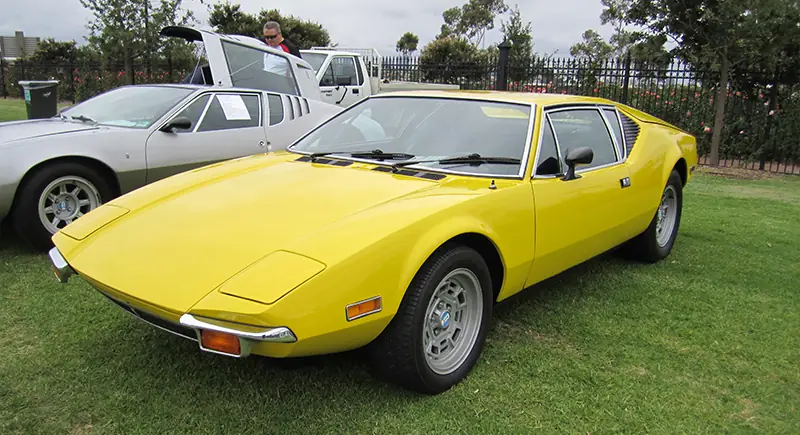
An Italian design with an American heart, the De Tomaso Pantera had the sleek curves of a Ferrari but the muscle and reliability of American engineering. Early models had overheating issues, but it was hard to resist with a body designed by Ghia and a price tag far lower than its European rivals. Even Elvis Presley owned one!
1971 Lamborghini Miura SV
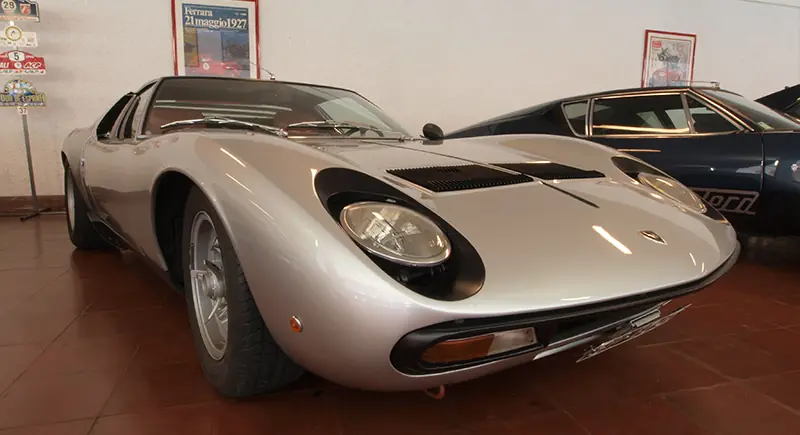
The Miura was already the world’s first true supercar, but the 1971 SV model turned everything up a notch. Lamborghini widened the rear track, added bigger carburetors, and tweaked the suspension. These innovations made the SV the most powerful Miura yet. Its 3.9-liter V12 pushed out 385 horsepower, and that swooping body looked like it belonged in a museum.
1972 BMW 2002 tii
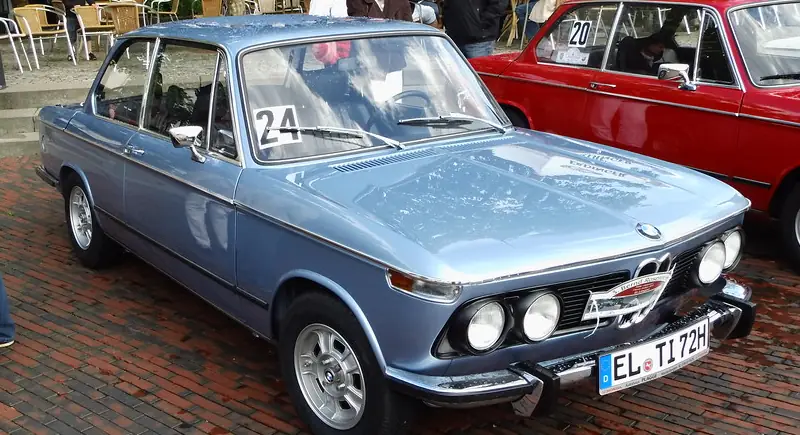
Before BMW’s M cars, there was the 2002 tii. This little boxy sedan was fun to drive and surprisingly quick. The fuel-injected 2.0-liter engine pumped out 130 horsepower, which might not sound like much, but in a car this small, it felt like plenty. More importantly, it’s so easy to handle that it made twisty roads something to look forward to.
1972 Ford Gran Torino Sport
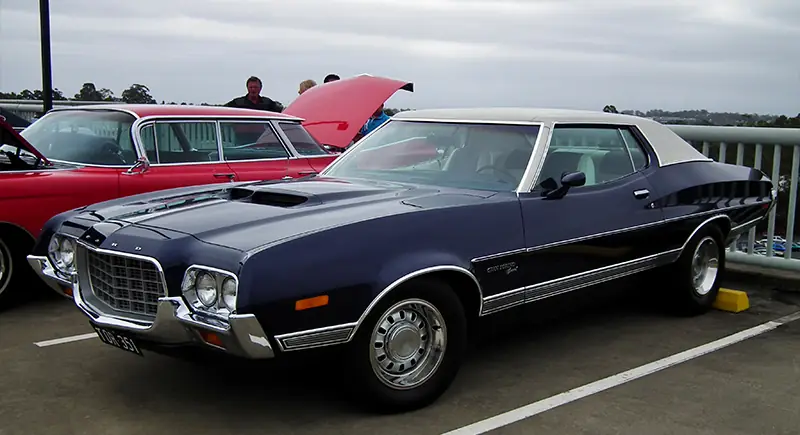
The long hood, aggressive grille, and fastback styling made the Gran Torino Sport a trend. Under the hood, Ford offered several V8 options, with the biggest—a 7.0-liter Cobra Jet—packing serious muscle. It became even more famous in the ’70s when a red-and-white version was used in Starsky & Hutch.
1973 Chevrolet Monte Carlo
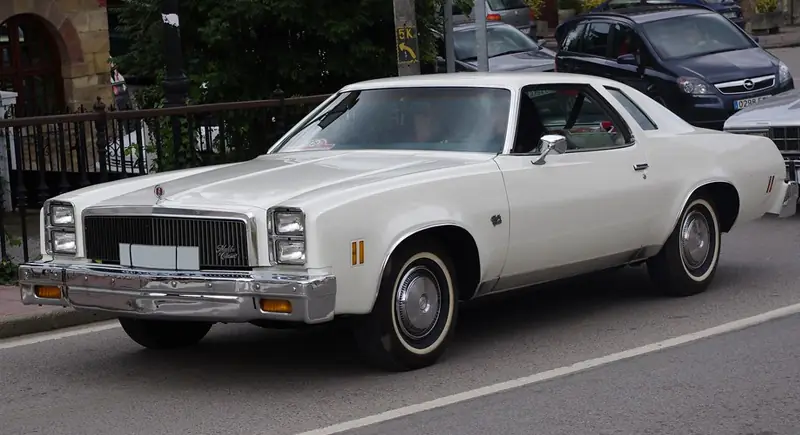
Chevrolet knew how to do muscle, but with the Monte Carlo, it also proved it could do luxury. This was big, comfortable, and dripping with chrome. It was one of those cars that let you have it all—comfort, style, and a little bit of performance, as long as you were okay with single-digit gas mileage.
1974 Lamborghini Countach LP400
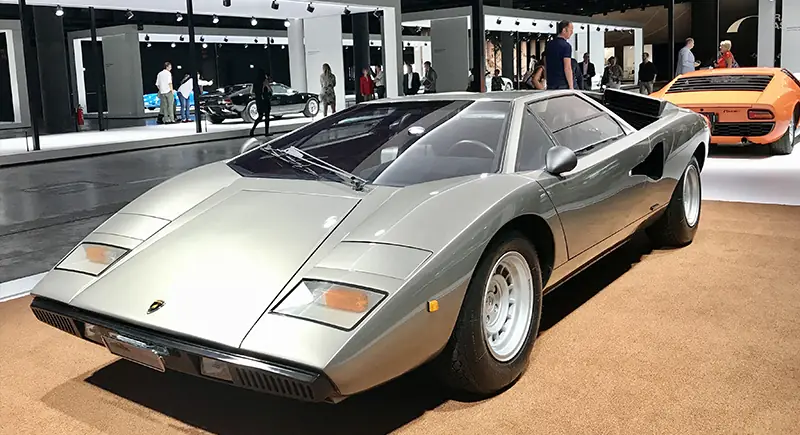
If aliens had visited Earth in the ’70s, they might have mistaken the Countach for their ride. It had a wedge-shaped design, scissor doors, and a wide stance. Its 4.0-liter V12 made 375 horsepower, and with a top speed of 186 mph, it was one of the fastest cars of the decade.
1974 Volkswagen Golf Mk1
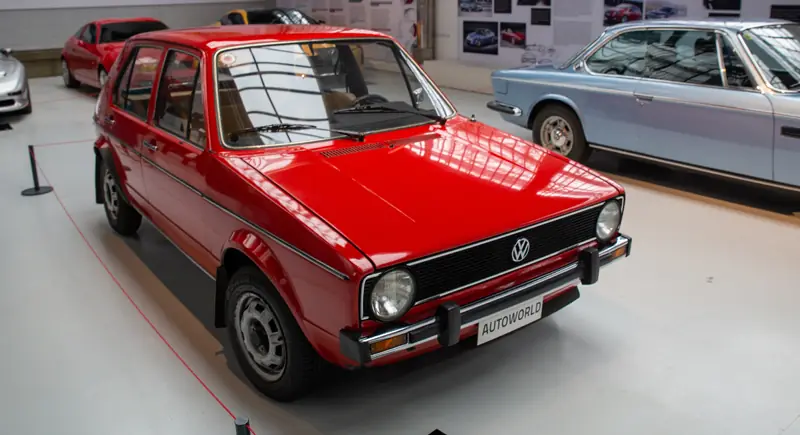
The Golf Mk1 was Volkswagen’s answer to the fuel crisis and changing car market. It replaced the Beetle with a practical, front-wheel-drive hatchback that was efficient and easy to drive. While it didn’t have the horsepower of a muscle car, it did introduce the world to a new kind of sporty: lightweight, nimble, and perfect for city driving.
1975 Ferrari 308 GTB
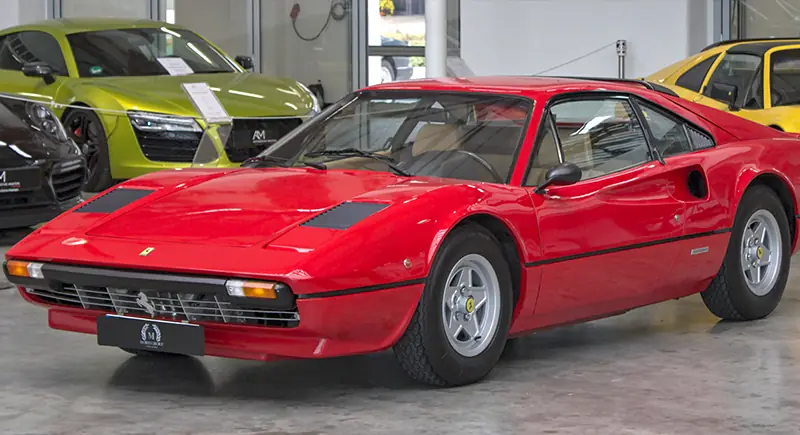
The 308 GTB is instantly recognizable. This was Ferrari’s first production V8-powered car. The 3.0-liter V8 made 255 horsepower, and the sleek Pininfarina-designed body was pure Italian elegance. Early models featured fiberglass bodies.
1975 Porsche 911 Turbo (930)
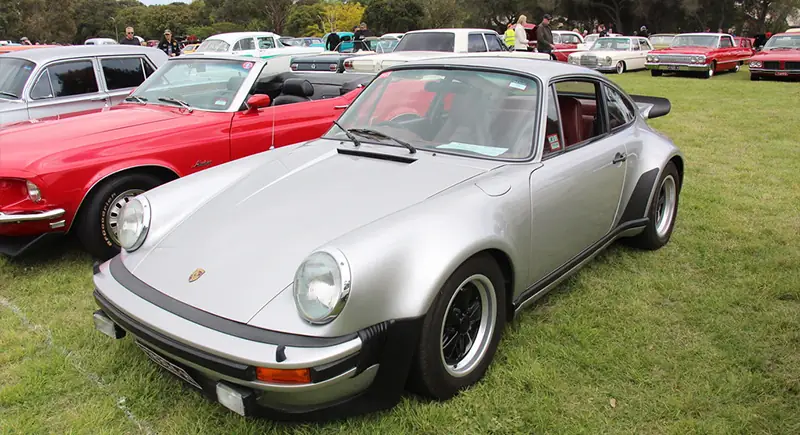
The 911 was already a legend, but in 1975, Porsche decided to bolt a turbocharger onto it. The result was a beast known as the 930 Turbo. Driving it was thrilling and terrifying, with 260 horsepower and a rear-engine layout. Nicknamed the “Widowmaker,” it wasn’t for the faint of heart but was one of the most rewarding cars.
1976 Honda Accord
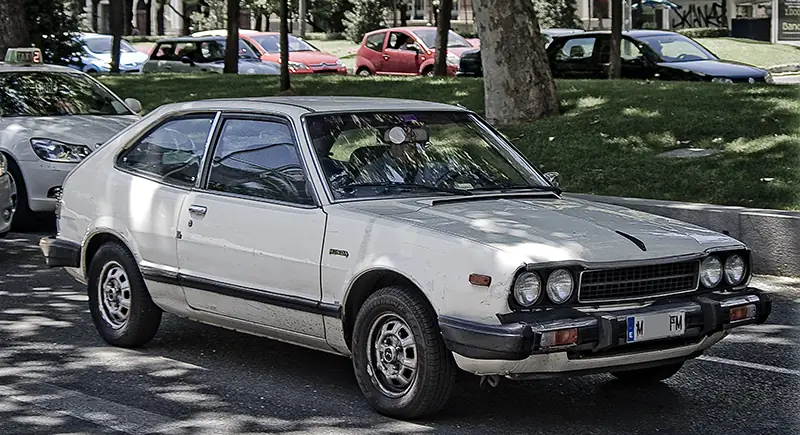
The first Honda Accord hit the scene in 1976, and while it was small, it was efficient, affordable, and just fun enough to drive. At a time when gas prices were skyrocketing, this little hatchback proved that practical cars didn’t have to be boring. The Accord was light on its feet, thanks to a peppy 1.6-liter engine making 68 horsepower.
1976 Aston Martin Lagonda
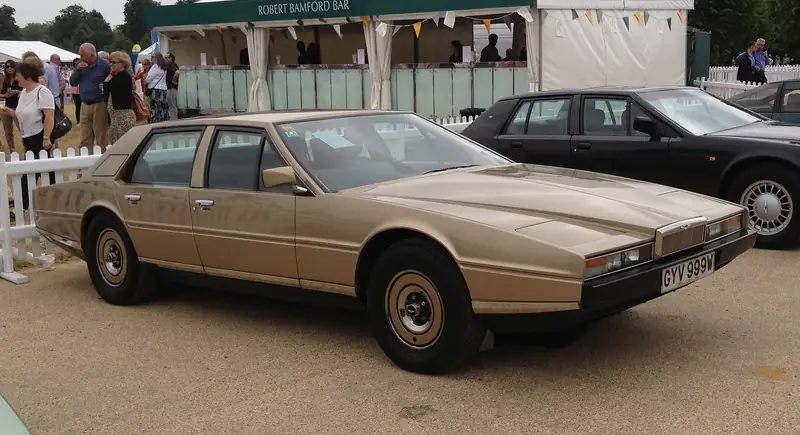
William Towns designed the wedge-shaped body of the 1976 Aston Martin, so it’s no wonder it was one of the most radical-looking sedans of the decade. Its 5.3-liter V8 engine reminded everyone that Aston Martin was still serious about performance. The real head-turner was the digital dashboard—one of the first ever in a production car.
1977 BMW 7 Series (E23)
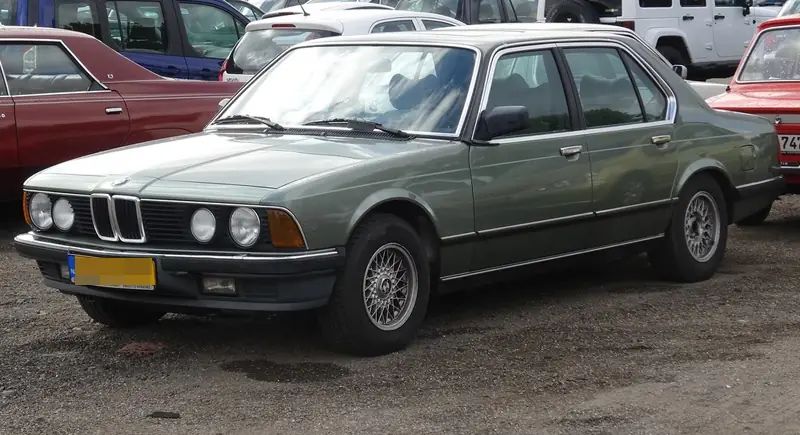
The first-generation 7 Series was launched in 1977 and was built to redefine luxury performance. The E23 combined German precision with high-end comfort with the aim of offering smooth power from a range of inline-six engines, the biggest being a 3.4-liter inline-six. It was also one of the first cars with a built-in onboard computer—something unheard of back then.
1978 Mazda RX-7
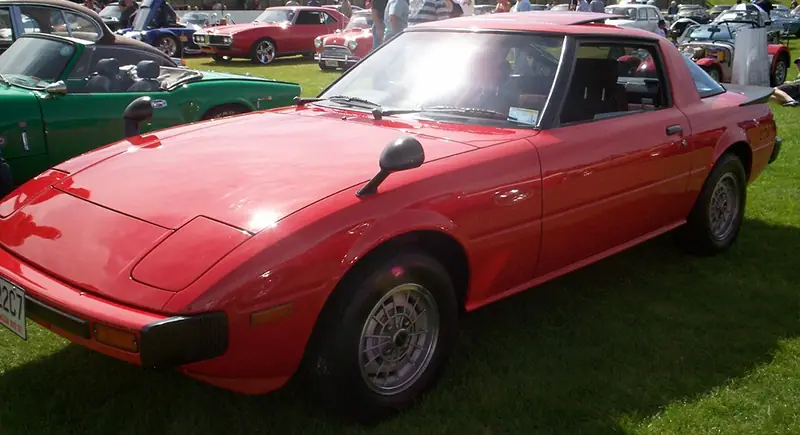
The RX-7 ran on a high-revving rotary engine that made the lightweight coupe an absolute blast to drive. The 1.1-liter Wankel engine might have been tiny, but it came with 100 horsepower that perfectly propelled its aerodynamic body. Weighing in at under 2,500 pounds, it handled like a go-kart and quickly gained a reputation as a budget-friendly sports car.
1979 Toyota Supra (Celica Supra)
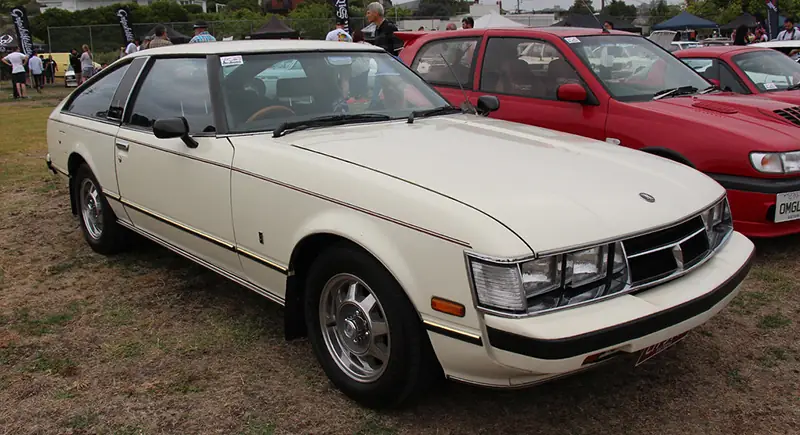
Long before the Supra became a turbocharged icon, the Toyota Celica was its stretched version. The first-gen Celica Supra arrived in 1979 with a 2.6-liter inline-six under the hood and a focus on grand touring comfort. It had the long hood, rear-wheel-drive layout, and delivery of classic European GT cars but with Toyota’s rock-solid reliability.
1973 Pontiac Firebird Trans Am SD-455
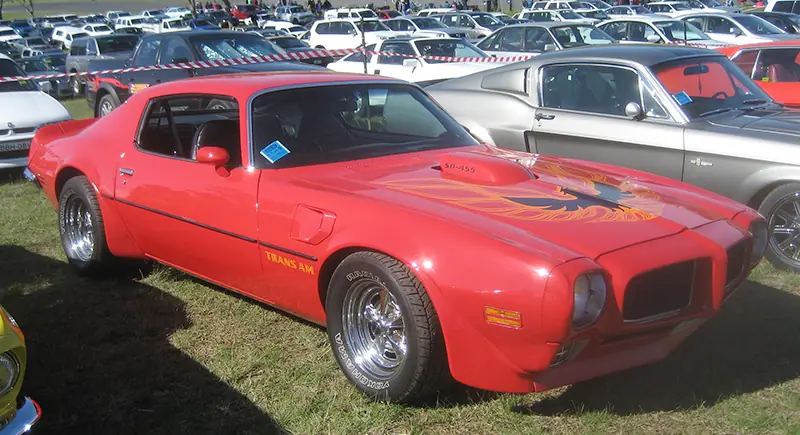
The 1973 Pontiac “Firebird Trans Am SD-455” arrived during the tightening of emissions rules and still outperformed everything else on the road. Its Super Duty 7.5-liter V8 was built tough, underrated on paper, and brutally quick in real life. That screaming chicken hood decal sealed its legend.
1978 Dodge Lil’ Red Express
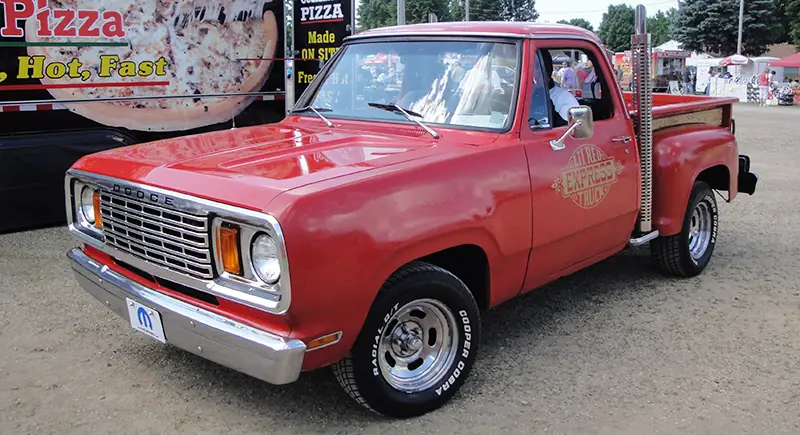
The 1978 Dodge *Lil’ Red Express” looked like a joke until it started leaving muscle cars behind. Built on a pickup platform, it dodged emissions limits and became one of the quickest American vehicles that year. Vertical exhaust stacks, red paint, and attitude made it unforgettable.