The air inside most homes contains harmful toxins. Studies cited by the United States Environmental Protection Agency have found that indoor air can be two to five times more polluted than outdoor air. This is contributed to by dust loaded with old chemicals, trace contaminants in water, and everyday products that shed residues. For a change to happen, it starts with spotting where exposure actually happens and fixing those points one by one.
Clear The Air First
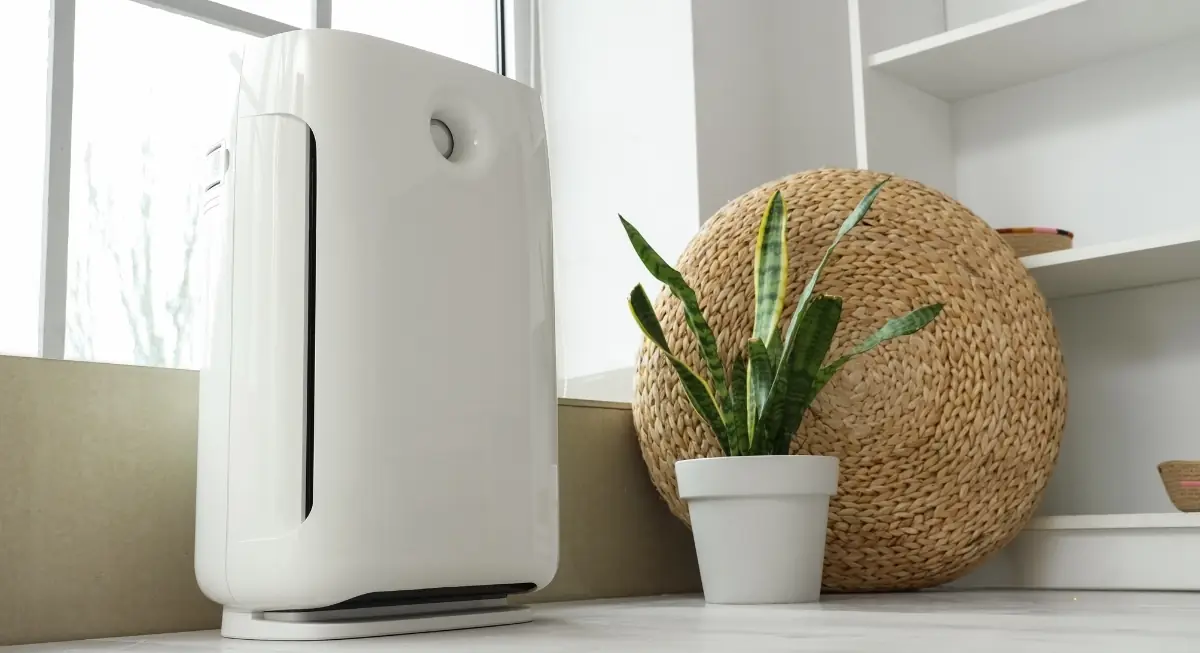
Indoor air holds onto volatile organic compounds released by furniture, cleaners, and fragrances. Crack windows on opposite sides of your home for about 10 minutes to create cross-ventilation. The quick flush reduces buildup faster than most machines. For the rest of the day, keep air moving with exhaust fans or a HEPA air purifier that also includes activated carbon for gases.
Stop Masking Smells And Fix The Source
Plug-ins and sprays often release phthalates and synthetic musks directly into the air. The label “fragrance” can represent a mix of undisclosed chemicals. If something smells off, track it down. Open airflow, clean the source, and use simple options like simmering citrus peels if you want a light scent.
Treat Dust Like A Chemical Reservoir
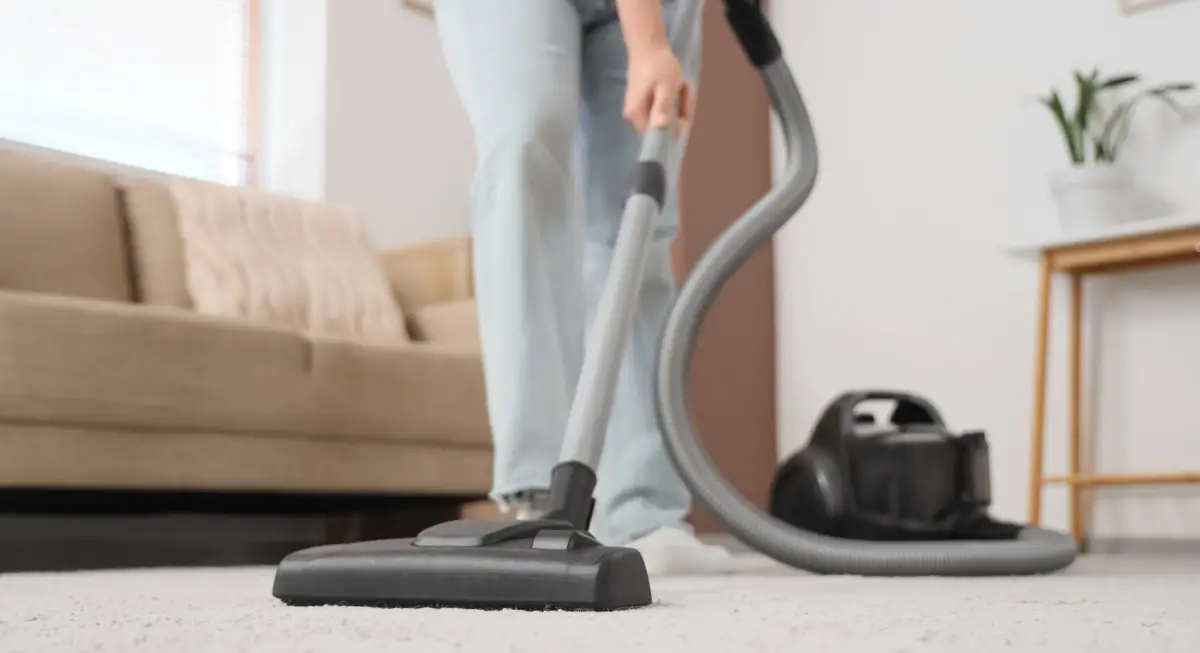
Dust is more than dirt. Research highlighted by environmental health experts shows it can hold lead, flame retardants, and pesticide residues, even years after use. Vacuum twice a week with a sealed HEPA system so particles stay trapped. Wipe surfaces with a damp cloth, and leave shoes at the door to avoid spreading contaminants across floors.
Filter What You Drink Every Day
Tap water meets legal limits, but trace amounts of chlorine byproducts, metals, and agricultural runoff can still pass through. A simple faucet or pitcher filter removes a portion of those contaminants. Testing your local water first helps you choose the right system. Reverse osmosis goes further, though it may require mineral balancing after filtration.
Rethink Plastic In The Kitchen
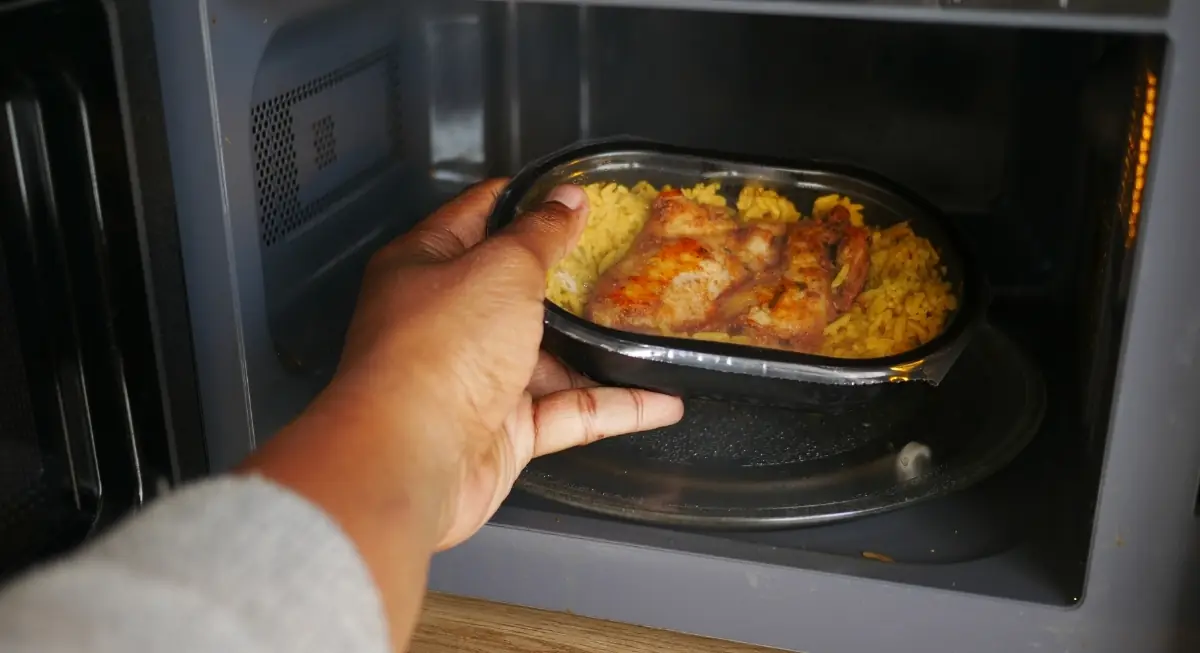
Heat and certain foods cause plastics to release compounds like bisphenols. Even BPA alternatives show similar concerns in studies. Switch to glass or stainless steel for storage and reheating. Skip microwaving plastic containers and reduce reliance on canned goods lined with epoxy resins.
Upgrade How You Cook And Bake
Nonstick coatings made with perfluorinated compounds can break down at high temperatures. The EPA has classified one of these, PFOA, as a likely human carcinogen, which led manufacturers to phase it out by 2015. Cast iron, stainless steel, or ceramic options handle heat without releasing those fumes. Proper preheating and a bit of oil make them easy to use.
Clean Without Turning The Air Against You
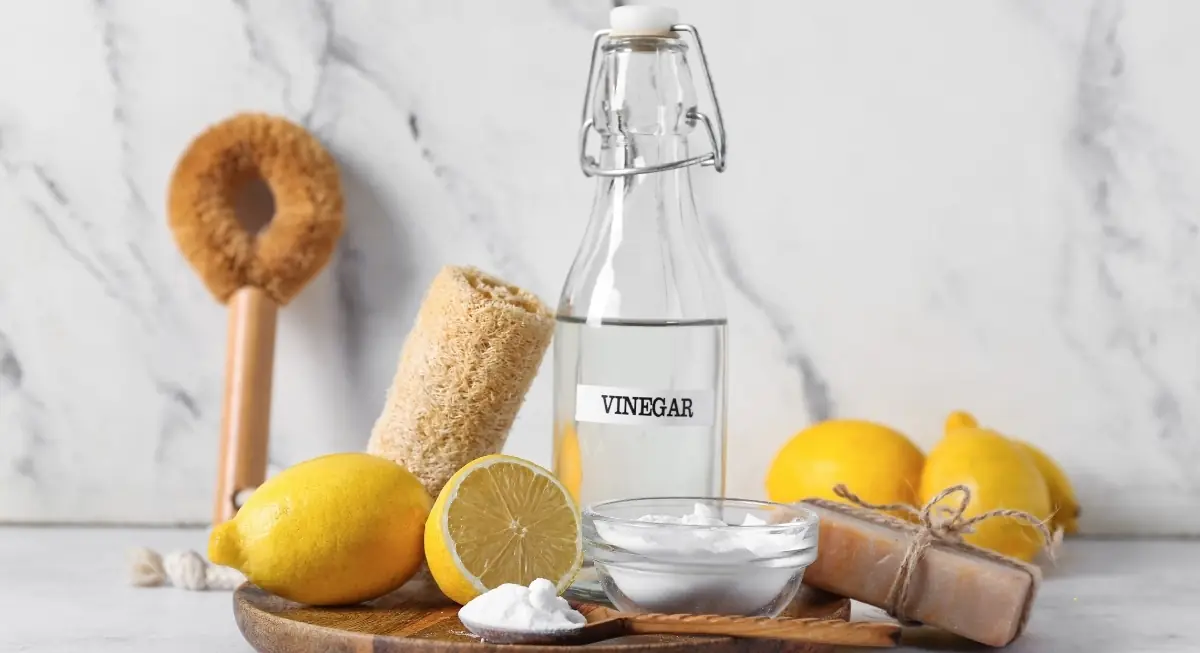
Many cleaning products release irritants like ammonia or chlorine into indoor air. That exposure builds over time, especially in smaller spaces. A simple mix of vinegar, baking soda, and castile soap covers most household jobs. These options clean effectively without adding more airborne chemicals.
Skip Daily “Antibacterial” Everything
Regular soap removes germs through friction and rinsing. Extra antibacterial agents like triclosan raised concerns serious enough to be banned in hand soaps in 2016, though replacements remain under review. Stick to plain soap and wash for about 20 seconds, and save sanitizer for moments when water isn’t available.
Pay Attention To What Surrounds You Long-Term
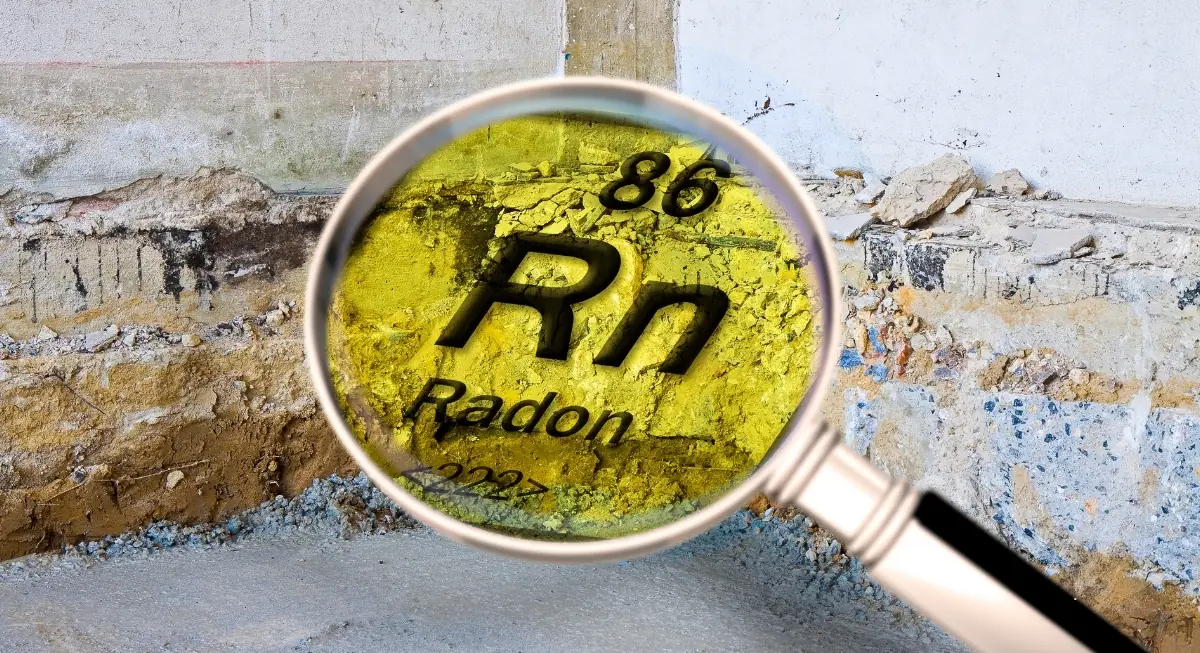
Older homes can carry hidden risks like lead paint, banned in 1978, and radon gas that forms naturally underground. Radon is the second leading cause of lung cancer after smoking. Affordable test kits exist for both. Identifying these issues early matters more than any product swap.
Fix The Spaces Where You Spend The Most Time
Bedrooms and living areas drive most daily exposure. Mattresses can off-gas chemicals, synthetic fabrics trap heat and residues, and carpets hold onto dust. Use natural fiber bedding, vacuum regularly, and consider removing heavy carpeting over time. Even small changes in these high-use areas have a noticeable impact on how your home feels day to day.