
It’s easy to assume we know what’s in the Bible until we read it. Centuries of tradition, pop culture, and well-meaning retellings have added layers that weren’t originally there, including misunderstood miracles and phrases that never appeared in scripture. These surprises might shift how you think about the Good Book.
The Forbidden Fruit Wasn’t an Apple

Despite Renaissance paintings, the forbidden fruit in Genesis was never called an apple. It was just “fruit.” The apple myth is likely stuck due to a Latin pun-malum, which means both “apple” and “evil.” Some scholars suggest it may have been a fig or date, or something entirely unfamiliar today.
Jesus Probably Didn’t Go By “Jesus”
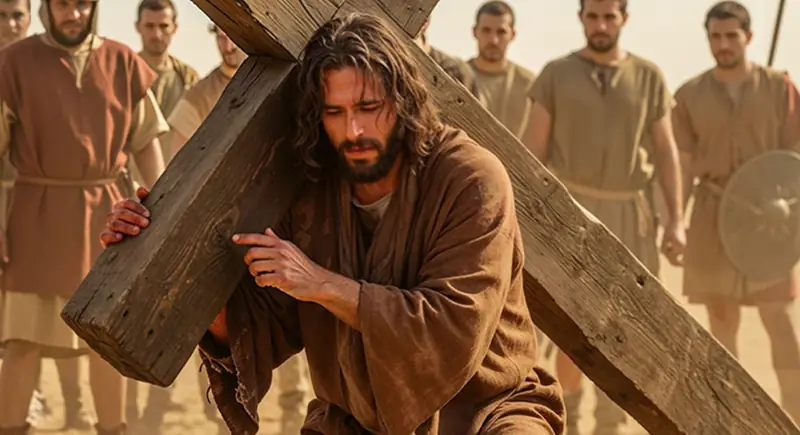
The name Jesus is a much later development. He would’ve responded to “Yeshua,” a common Hebrew name. The name “Jesus” traveled from Hebrew to Greek (Iēsous), to Latin (Iesus), and finally to English. Fun fact: the letter J didn’t even exist in Jesus’ day. It appeared in English much later.
The Bible Refers to the Earth as Round

Centuries before satellites, Isaiah 40:22 mentioned the “circle of the earth.” The Hebrew word chug hints at roundness, not flatness. It’s not a scientific claim, but it does show that ancient thinkers weren’t all convinced the world was a giant pancake.
Biblical Marriage Wasn’t Always Monogamous
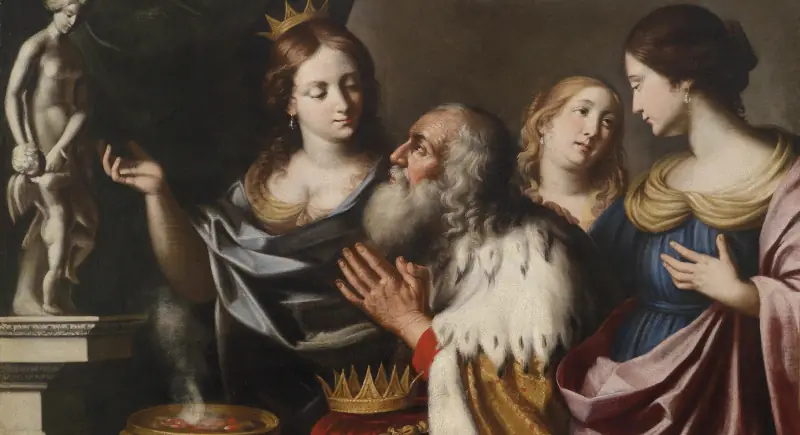
The Bible describes eight distinct types of marriage, including polygamy, concubinage, and levirate unions. Ancient relationships often looked nothing like modern wedding vows. King Solomon alone had 700 wives and 300 concubines, far from the “one man, one woman” concept many assume the Bible strictly supports.
The Wise Men Showed up Late
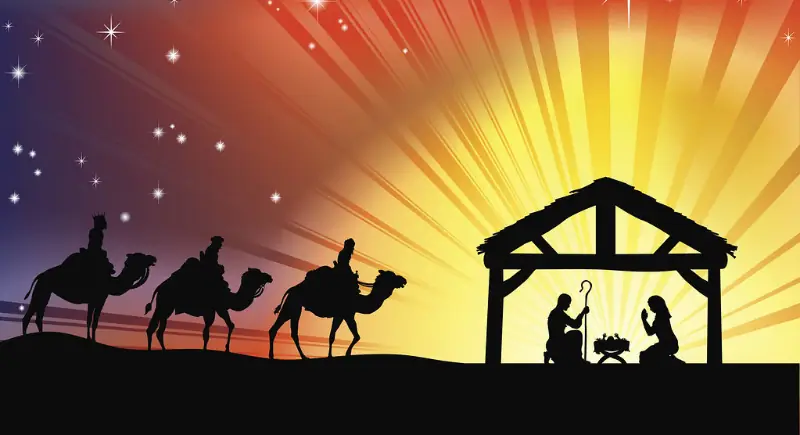
Though nativity scenes suggest otherwise, the magi didn’t arrive at the manger. Matthew’s account places them visiting Jesus in a house, likely when he was a toddler. The idea of the three wise men is inferred from the number of gifts (gold, frankincense, and myrrh) but their exact number isn’t stated.
Not Every Biblical Rule Applies Universally
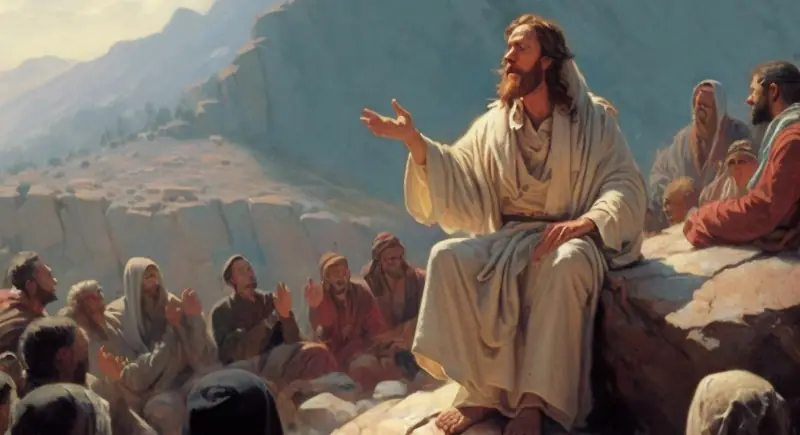
Not all biblical commands were meant for everyone, everywhere. Many laws were intended for ancient Israel under specific circumstances. With the arrival of Jesus, a new covenant was introduced, which highlighted different teachings, leaving some earlier commands obsolete. This distinction is critical but often misunderstood.
The Bible Never Promises Life Won’t Overwhelm You

The comforting phrase, “God won’t give you more than you can handle,” isn’t biblical. Scripture shows many faithful people overwhelmed beyond their strength. Paul, in 2 Corinthians, points instead to God’s power in weakness, not human resilience.
Sodom’s Downfall Wasn’t Just About Adultery
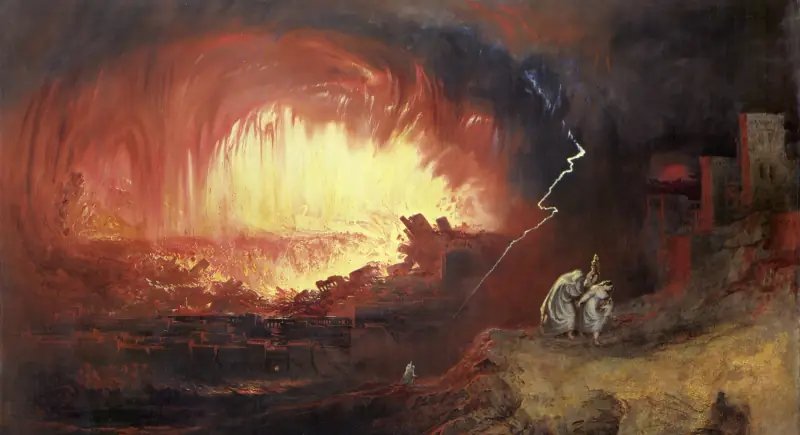
The destruction of Sodom is often linked to adultery and misconduct, but Ezekiel 16:49 lists arrogance, excess, and neglect of the poor as its primary sins. The moral decline was broader and more systemic than a single issue.
God Expelled Adam and Eve to Stop Immortality

Eating the forbidden fruit wasn’t the only reason Adam and Eve were banished. Genesis 3:22–24 says God banished them to prevent access to the Tree of Life, since immortality post-rebellion wasn’t an option. The exile from Eden was a limitation on what humans could become, disguised as punishment.
The Bible Never Says a Whale Swallowed Jonah
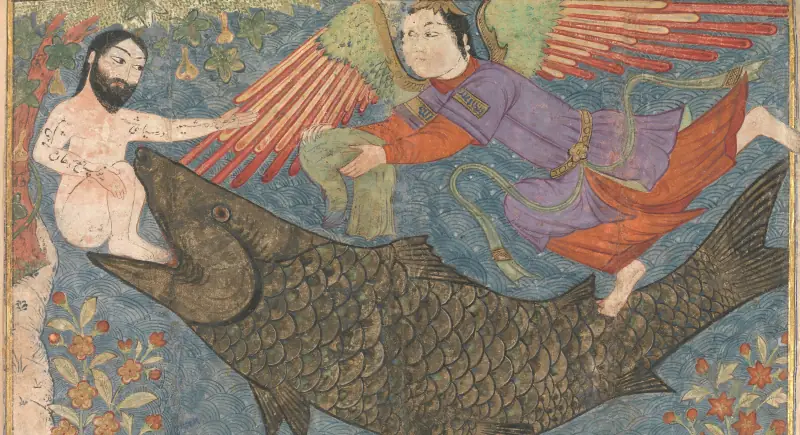
Contrary to popular belief, the original Hebrew text describes a “great fish,” not a whale. Some English translations use “whale,” but the exact species is never identified. It might’ve been a fish, a whale, or a creature unknown to modern classification, the point was its size, not its taxonomy.
Cleanliness Is Next to Godliness, But It Isn’t in the Bible
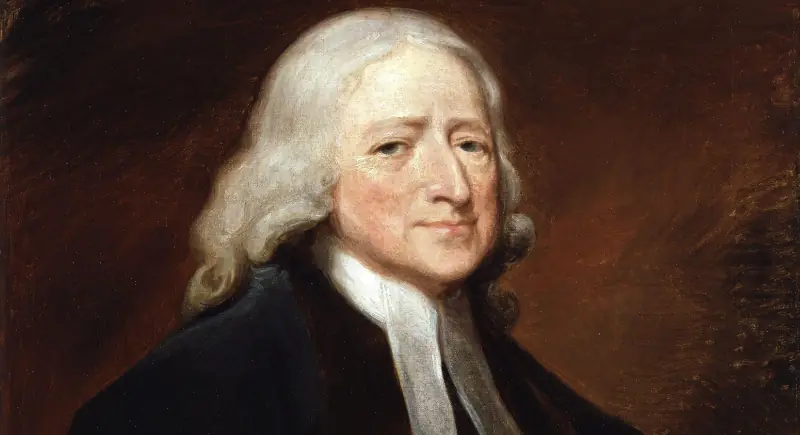
Sounds biblical, right? But nope, it’s not in there. This squeaky-clean saying actually took off in the 1700s, thanks to John Wesley, one of the founders of Methodism. The Bible does talk a lot about purity, but it’s more about moral and spiritual cleanliness than soap and scrub brushes. So while good hygiene is great, it’s not officially listed as a path to holiness.
The Rapture Isn’t Described the Way Many Imagine It in the Bible
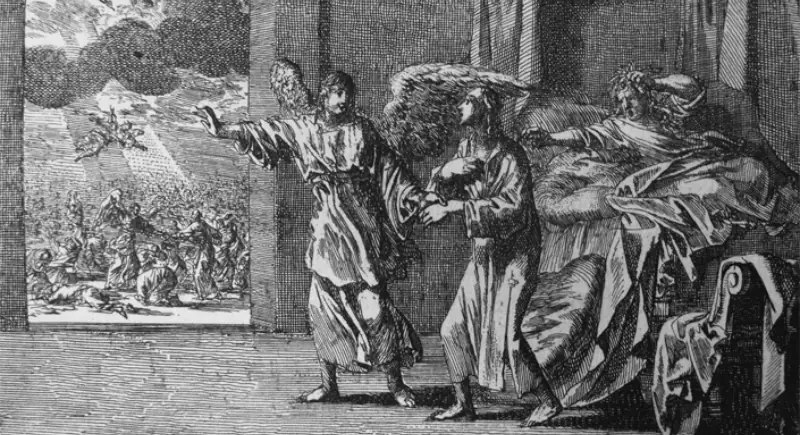
The Bible mentions believers being “caught up” (1 Thessalonians 4:17), but not vanishing in a secret rapture. That idea came later, in the 1800s, through dispensationalist teachings. The dramatic disappearances? More pop theology than Scripture.
The Name “Lucifer” Was Never Satan’s Original Name in the Bible
“Lucifer” appears once in the King James Bible, referring to a Babylonian king, not Satan. The Hebrew word means “morning star.” The link to the devil came centuries later through tradition, not from the biblical text itself.
Satan Doesn’t Rule Hell in the Bible
We often picture Satan on a flaming throne with a pitchfork in hand. But in the Bible, Satan isn’t the boss of hell; he’s actually a future inmate. Revelation describes the lake of fire as his final punishment. That “ruler of the underworld” image owes more to Dante’s Inferno and cartoon villains than anything found in scripture.
“Money Is the Root of All Evil” Is a Misquote

People love to quote this one, but they usually leave out a key word: love. The verse in 1 Timothy 6:10 actually says, “the love of money is the root of all kinds of evil.” Big difference. Money itself isn’t the villain here. It’s the obsession with it that gets people tangled up.
The Seven Deadly Sins Are Not Listed in the Bible
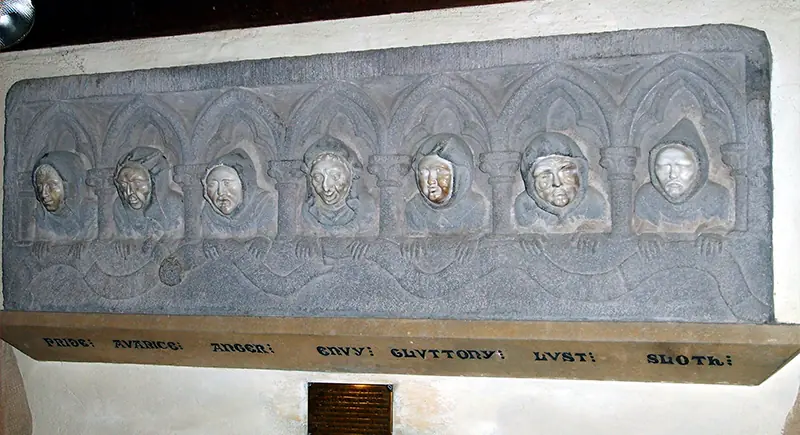
Most churchgoers can recite the seven deadly sins from memory, yet the Bible never lists them as a single official set. The idea took shape through early Christian teaching and later writings. Scripture discusses pride, greed, lust, and envy in various places, but the famous seven-part list originated in tradition, not in a single verse.
“God Helps Those Who Help Themselves” Is Not a Verse
People quote “God helps those who help themselves” with the confidence of someone reading straight from Proverbs. The line never appears in the Bible. Its roots trace back to ancient Greece and later political writing. Scripture leans the other way in many passages, stressing dependence on God, care for the weak, and humility.