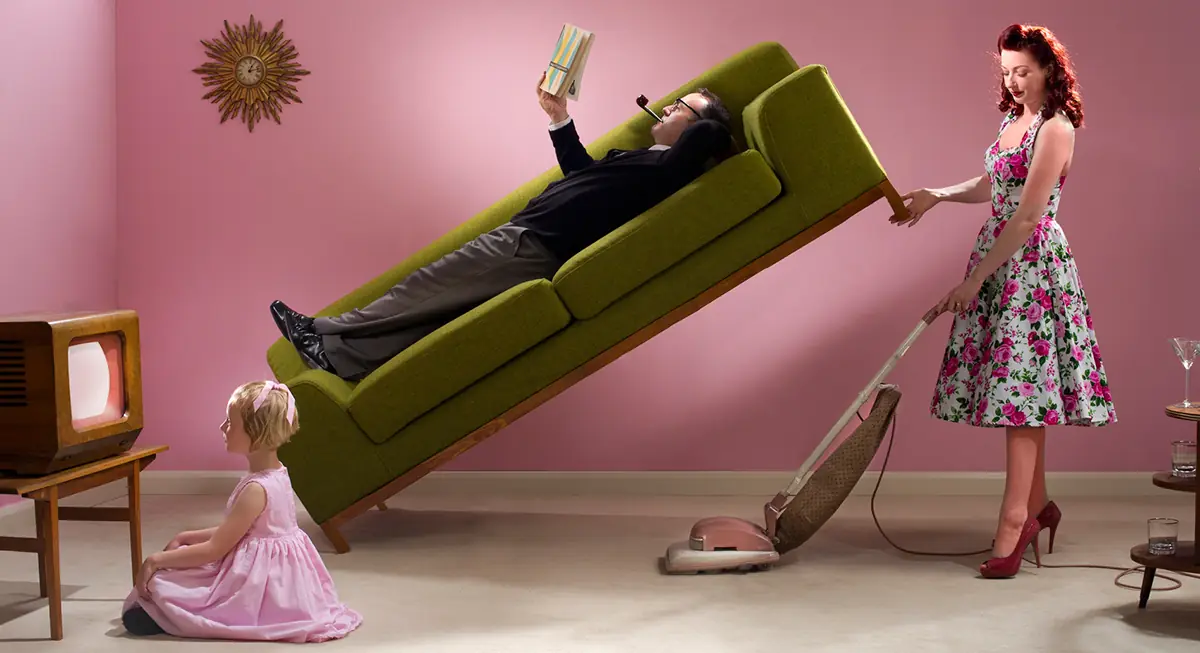
The 1950s were polished on the surface, but daily life was packed with practices that would draw raised eyebrows today. Post-war rationing, gender expectations, and limited technology shaped many routines.
Do these wild everyday habits have a place in today’s time? Let’s find out!
Shaking Off Pounds With a Vibrating Belt
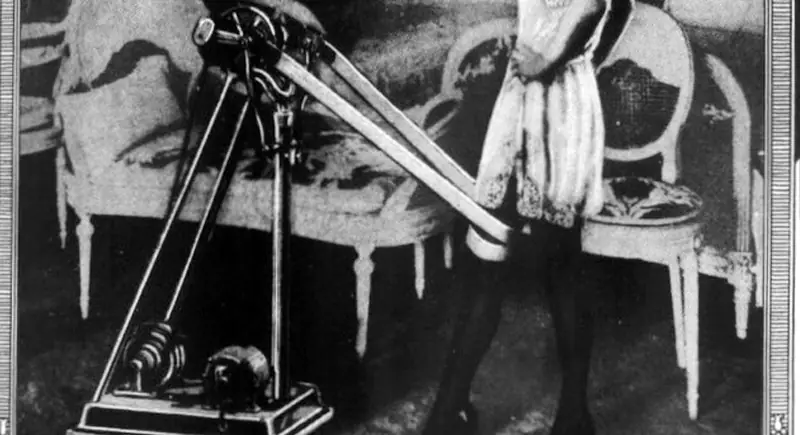
Vibrating belt machines were marketed as the peak of effortless slimming. They didn’t require cardio or breaking a sweat. All you needed to do was put them on, stand, and let the machine wiggle your waist. Unfortunately, the machine did nothing to improve fitness.
Cycling and Walking by Necessity

Most families didn’t own cars, so walking and biking were standard. Women walked their kids to school, biked to shops, and carried groceries by hand. Manual chores, like lugging heavy vacuum cleaners or wringing out laundry, meant constant physical exertion that people opted for.
Cold Milk in the Ground

Some families dug out sections of their yard to keep milk cool under a stone slab. This setup worked surprisingly well before widespread refrigeration. In summer, the milkman delivered fresh bottles and blocks of ice.
Eating Spam Without Irony

Spam was common on dining tables since fresh meat was hard to come by, storage was unreliable, and spam filled the protein gap. Families sliced it into stews, fried it for sandwiches, or cubed it into casseroles. In all honesty, no one admired it, but they counted on it.
Following Diets From Women’s Magazines

Women’s magazines frequently published “one-week diets” centered around grapefruit, steak, or black coffee. These meal plans weren’t endorsed by dietitians but by advertisers with an eye on bikini season. The goal was visual appeal instead of health. Metabolism, muscle mass, and nutritional balance barely registered in the conversation.
Doing Laundry With a Washboard
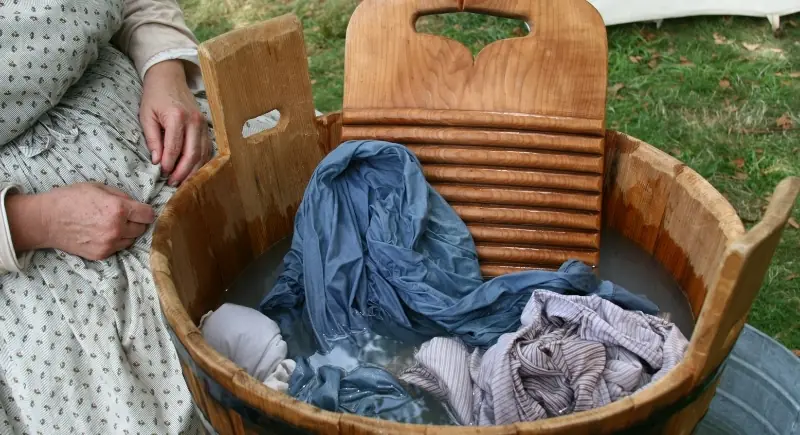
Washing machines weren’t standard in most homes, and even those who had them often used a manual wringer or crank. Clothes were scrubbed against a washboard in a tub, then wrung out by hand and hung outside. It was exhausting work, and laundry day could easily eat up half the week.
Seasonal Eating by Circumstance, Not Choice

If strawberries weren’t in season, they simply weren’t eaten. Cold storage was limited, and grocery imports were minimal. The produce aisle changed with the calendar. Home cooks relied on what nearby farms could grow, like potatoes in winter and peas in spring, without the flexibility or excess of modern grocery chains.
Daily Uniforms That Required Ironing
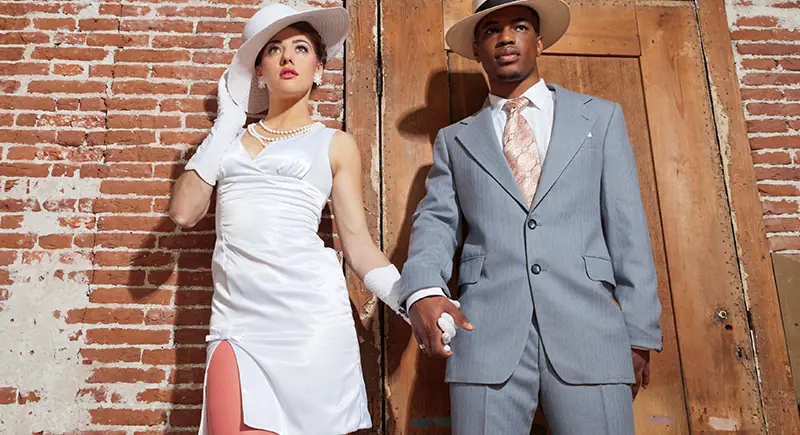
Women dressed up even for quick errands. That meant fitted dresses, girdles, and curled hair, often done before breakfast. Casual wear was rare outside the home. Men wore hats and ties to the store. The idea of running out in sweatpants or pajamas would have been completely out of place.
Exercise Was Done Alone—or With Eileen Fowler

Fitness existed, but rarely in public. Radio programs like Eileen Fowler’s guided listeners through callisthenics in their kitchens. The Jack LaLanne Show brought basic routines into living rooms, such as hula hoops and garden squats. Exercise was gentle, solo, and modest. Gyms were rare, and sweating in front of others was unusual.
Meat Ration Tokens and Powdered Eggs
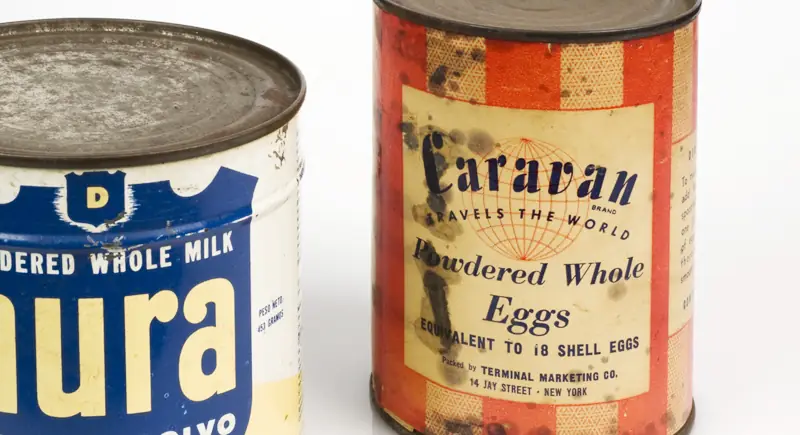
Until 1954, British homes still counted meat in tokens. Eggs came powdered, and butter had substitutes. Families planned meals around what their ration book allowed. Some kept chickens or traded with neighbors to fill gaps. Grocery shopping required math, strategy, and sometimes, persuasive bartering.
Playing Outside Without Adult Supervision

Children spent whole days outside, often far from home and without cell phones, check-ins, or adult direction. Play was self-governed with cardboard forts, jump rope competitions, and impromptu baseball games. If you got hurt, you walked it off. If you got hungry, you went home.
Smoking Without Pause—Everywhere

Smoking indoors wasn’t questionable. People lit cigarettes in elevators, movie theaters, and maternity wards. Some doctors even recommended certain brands to “soothe the throat.” The smell was part of the air and deeply embedded in adult life. Smoking bans, as we know them now, were still decades away.
Bathing in the Same Water

This one’s really gross! In the ‘50s, when hot water was limited, one bath was shared among several family members. The youngest went first, and the adults followed. Water was heated on stoves and poured into metal tubs. The practice was more about conservation than actual cleanliness.
Reusing Cloth Diapers and Pins
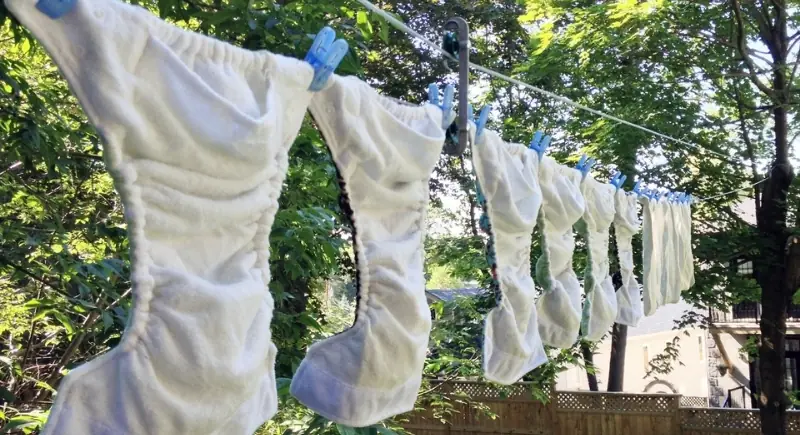
Before disposable diapers became mainstream, parents used reusable cloth diapers held in place with large safety pins. Laundering them meant boiling water and a good chunk of every parent’s week. Yet this method was standard and passed down without much alternative available.
Dental Prevention with a Drill

To stop tooth decay, dentists in the 1950s drilled early and often. Any staining or suspected soft spot might be filled to “prevent” future problems. It was called “extension for prevention.” By middle age, full dentures were common, even among the health-conscious.
Using Baby Oil as Suntan Lotion
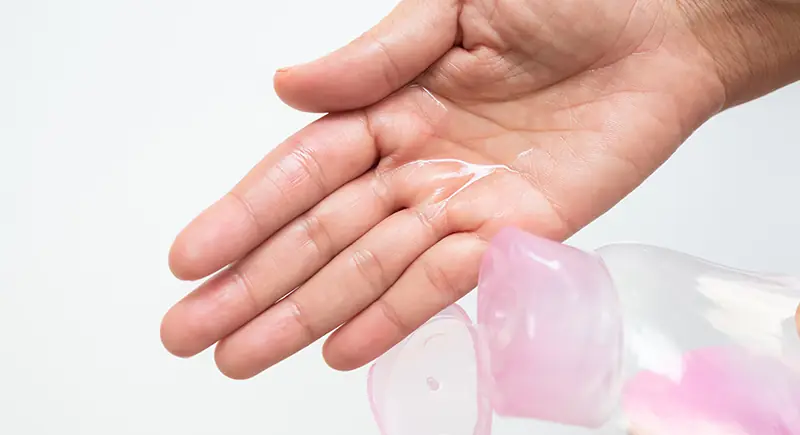
A deep tan was the goal, not something to avoid. Many beachgoers rubbed baby oil onto their skin before stretching out in the sun for hours, hoping to darken faster. Little attention went to ultraviolet damage or skin cancer risk. Sunscreen had not yet become part of everyday summer habits.
Riding in Cars Without Seat Belts
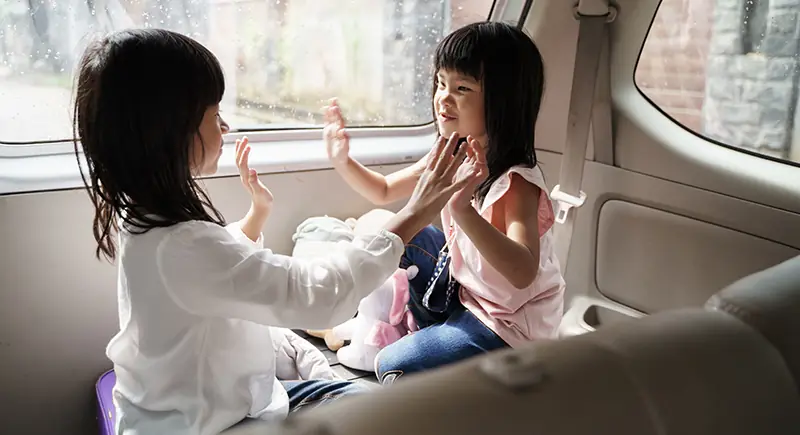
Kids bounced across the back seat. Parents thought nothing of it. Most cars in the 1950s came without seat belts as standard equipment, and many families never questioned the risk. Safety rules changed after decades of crash research, making buckling up one of the first things people do before driving.