Grandma didn’t need a lesson on sustainability. She lived through times when nothing got tossed unless it was truly useless—and even then, she’d probably find a reason to keep it. Her home was a masterclass in reuse and resourcefulness. Here’s a look at innovations of everyday things she hung on to, often with surprisingly smart results.
Worn-Out Clothes and Linens
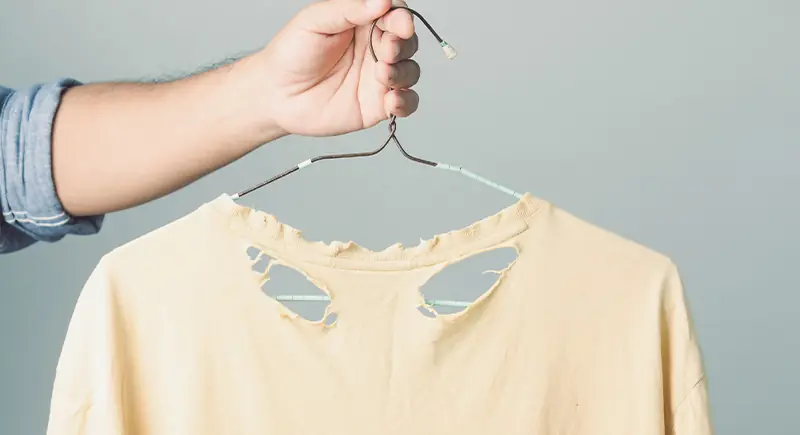
A hole in a shirt didn’t spell the end. It just meant that fabric had a new future—maybe as a dish rag, a quilt square, or doll-sized outfits. Faded pillowcases and frayed towels got cut, sewn, and repurposed until there wasn’t much left to save. Then they became dust rags.
Glass Jars
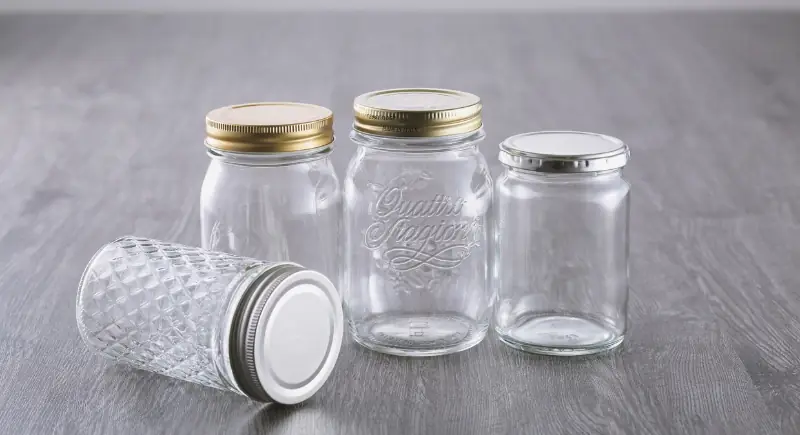
Any jar with a lid had potential. Spaghetti sauce jars stored dry beans, marbles, or buttons. In winter, they held candles for blackout lighting; in summer, they became jam jars or sun tea brewers. Some women used them to preserve homemade pickles or peaches.
Buttons
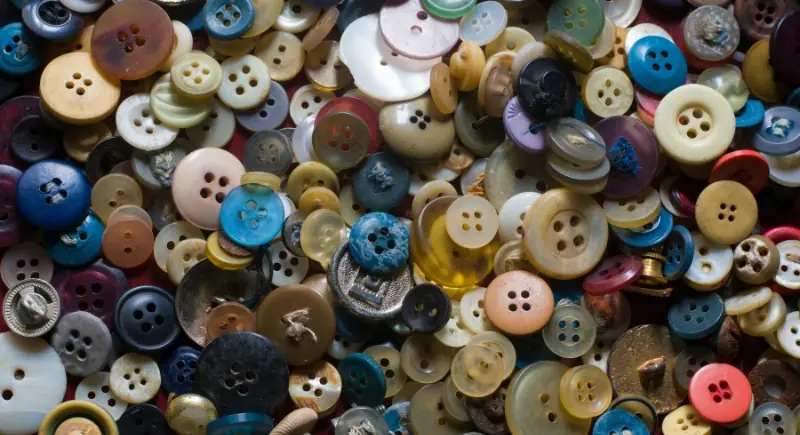
Kids played “button store” or used them as game pieces for homemade checkers. In the 1920s, magazines published crafts using buttons as jewelry or brooch centers. Some grandmas even identified clothing eras by the style of their buttons—celluloid for the early 1900s, Bakelite by the ’30s.
Bacon Fat
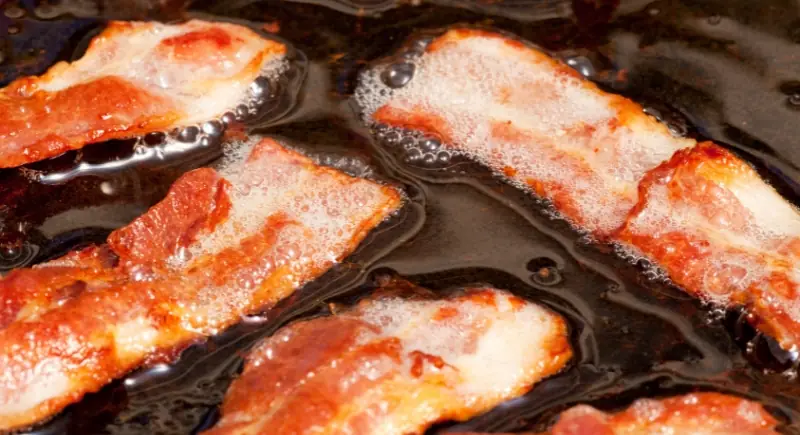
Draining it down the sink? Never. Bacon grease went into a reused jar in the fridge, waiting to flavor gravy, cornbread, or green beans. Thanks to its high salt content, it went weeks without refrigeration. Some families used it to grease machinery or oil squeaky hinges.
Newspaper
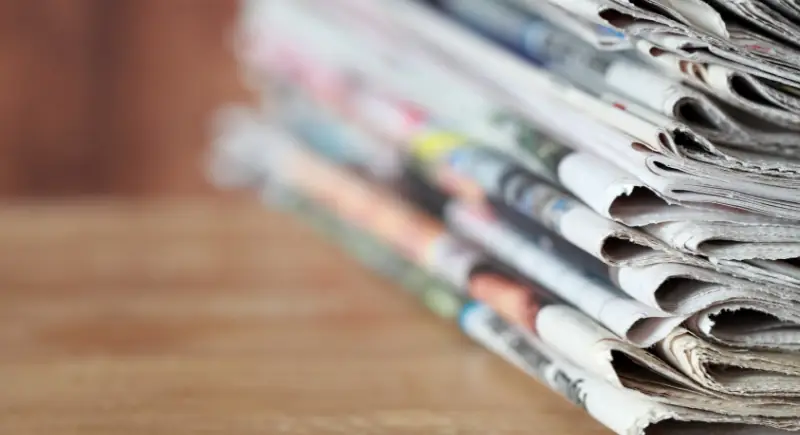
The newspaper was practically a utility item. Farmers used it to mulch gardens, while crafters made papier-mâché bowls and masks. During lean times, grandmothers used it as emergency insulation inside jackets. And yes, it was used as toilet paper in outhouses, often hung on a nail in the corner.
Soap Slivers
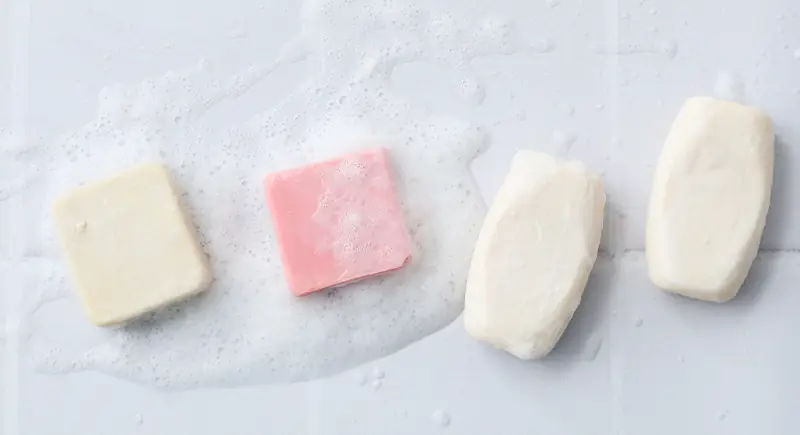
Soap scraps found new life in “soap savers”—little wire cages or mesh bags designed to hold small bits and keep them usable. Women melted the leftovers and poured them into cookie cutters to form decorative mini soaps. Hotels collected used guest soap, melted it down, and redistributed it.
Aluminum Foil
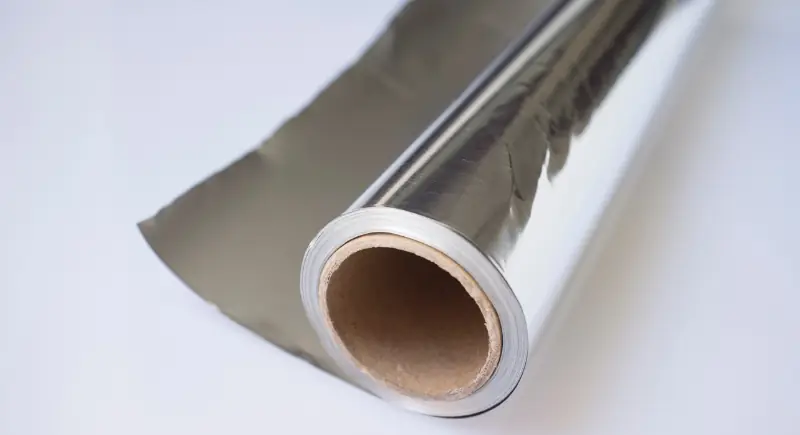
Introduced to households in the 1940s, aluminum foil quickly became a multi-use marvel. Wrapping your silverware in foil before storing it was said to prevent tarnishing. And if you crumpled it up and ran it through your hair, it could help reduce static in a pinch.
Shoe Boxes
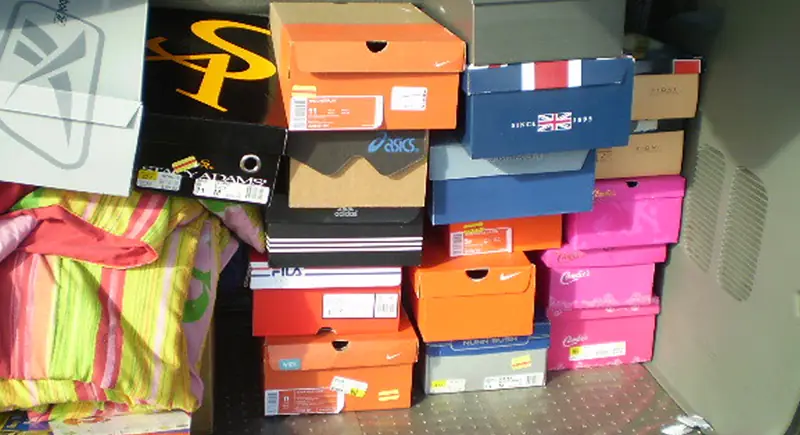
Shoe boxes were storage MVPs, especially during back-to-school season. Teachers encouraged kids to turn them into dioramas for book reports or holiday displays. Postal services even recommended shoe boxes for mailing fragile items during the mid-20th century. Grandma turned them into craft bins, memory boxes, sewing kit containers, and more.
Food Scraps
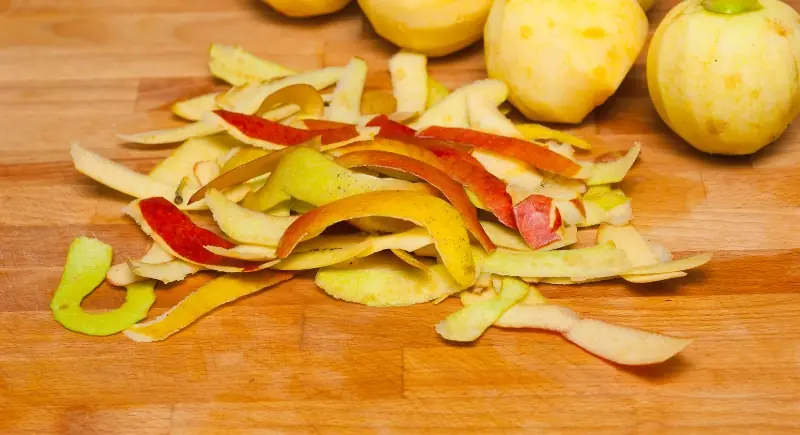
Before composting went mainstream, food scraps had their own economy. Apple peels were boiled with cinnamon and sugar to make jelly. Watermelon rinds were pickled—a Southern tradition dating back to the 1800s. Animal bones made broth, and then the bones went to the dog.
Eggshells
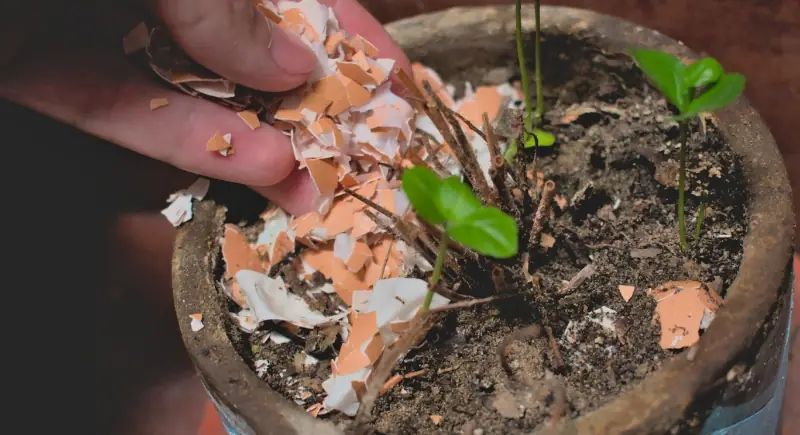
Crushed eggshells added calcium to the soil and helped keep crawling pests away. Beyond gardening, eggshells had unexpected household uses. When ground into a powder and added to vinegar, they made a calcium supplement during times of poor nutrition.
Tin Cans
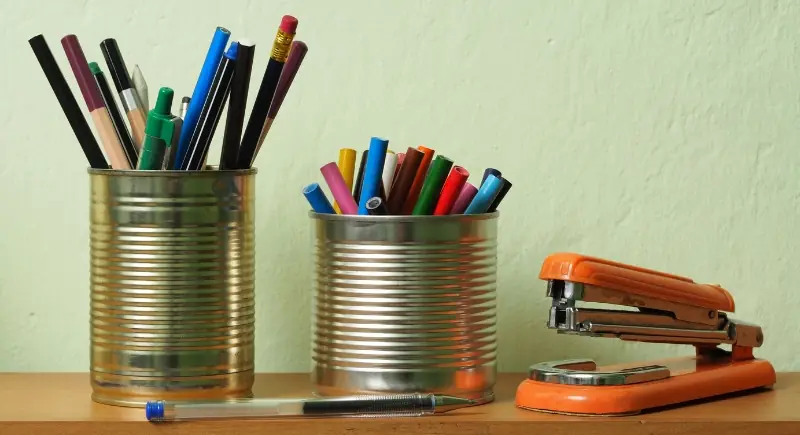
After being emptied, metal cans were cleaned, de-labeled, and reused. Some held pens or nails, while others became lanterns or scoops. After being punched with holes and painted, they turned into wind chimes or planters. And if you were camping, a can plus a coat hanger made an excellent cup for boiling water over a fire.
Soap Powder Boxes
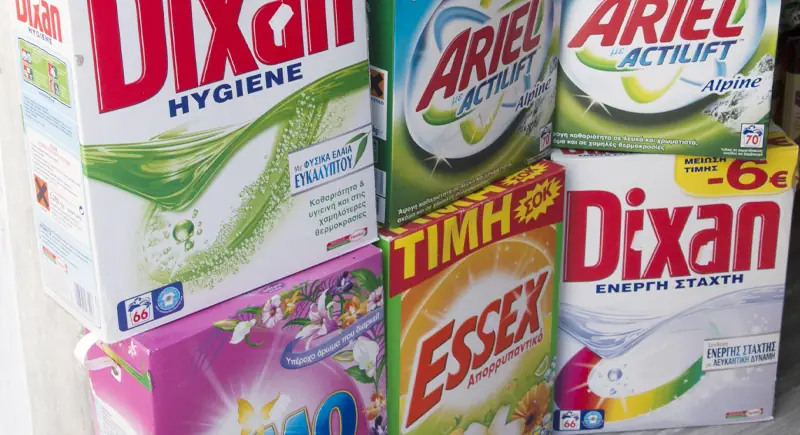
When detergent came in cardboard containers, those boxes often stayed around long after the soap ran out. Some became magazine holders, others held letters or recipes, and the cardboard was handy for crafts or as makeshift drawer dividers.
Seed Packets and Food Seeds
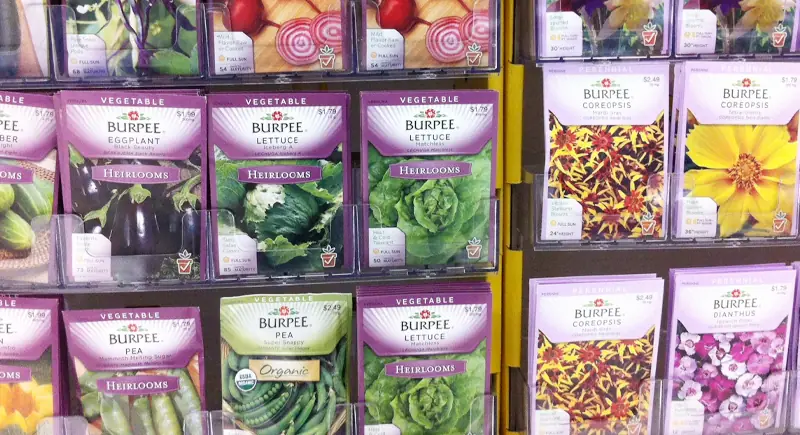
Grandma didn’t need a seed catalog to start a garden. She saved seeds from heirloom tomatoes and dried bean pods on the windowsill. Labels from seed packets were sometimes pasted into garden journals to track harvest results. Rural post offices even offered free seed-sharing programs.
Flour Sacks
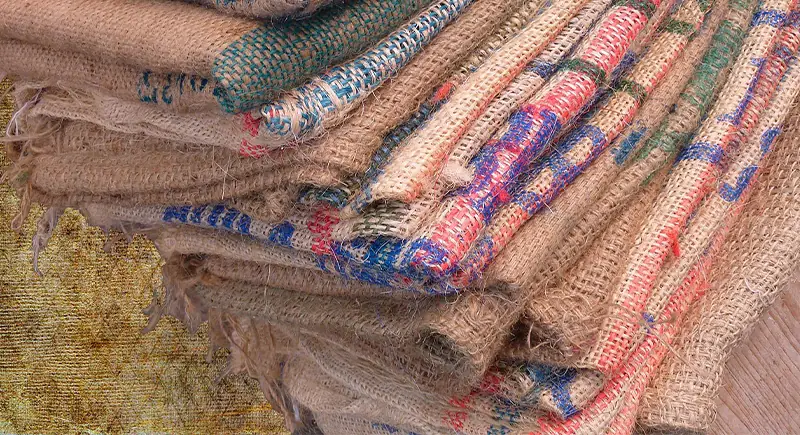
By the 1930s, flour companies had gotten wise. Knowing women reused the sacks, they began printing them with floral and geometric patterns. The fabric was turned into clothes, aprons, curtains, and toys. People chose flour brands based on how pretty the sack was. That’s how creative thrift looked back then.
Diapers
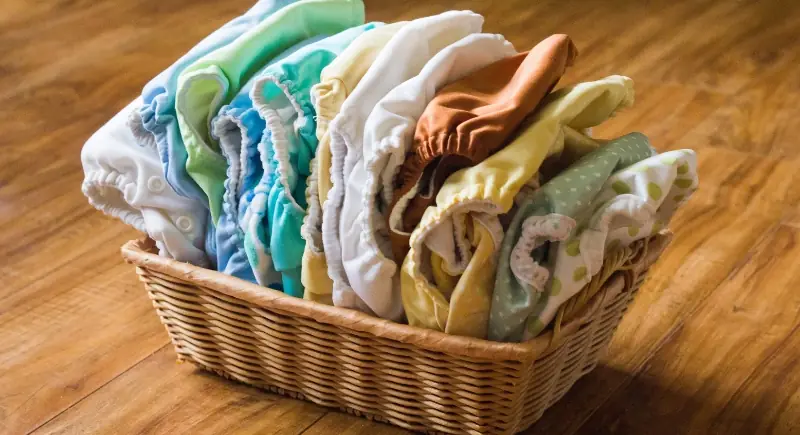
Disposable diapers weren’t always the norm. Cloth diapers were washed, hung out to dry, and used again, sometimes for years. Once retired from diaper duty, they became rags for cleaning windows or polishing furniture.