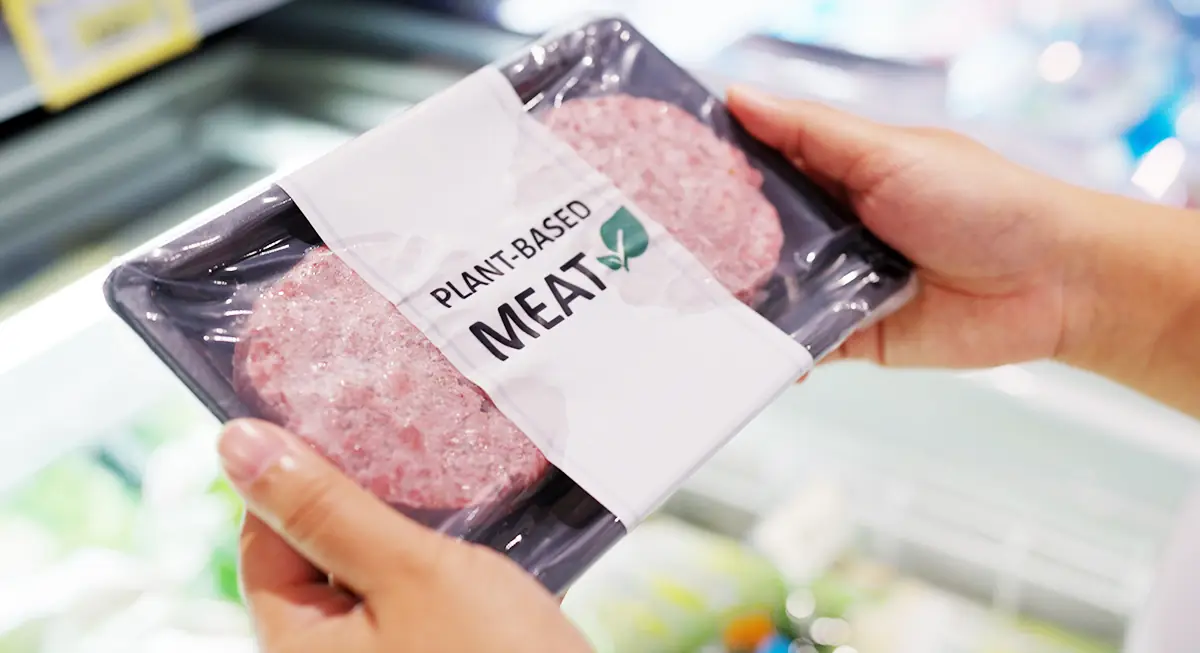
The early buzz around plant-based protein has cooled, but interest hasn’t gone anywhere. In 2026, buyers are paying closer attention to ingredient lists and how products are made. The shift is pushing brands to be more transparent and rethink what they offer. As a result, the meaning of “plant-based” is becoming more precise and harder to stretch.
Plant-Based Is Becoming Its Own Category
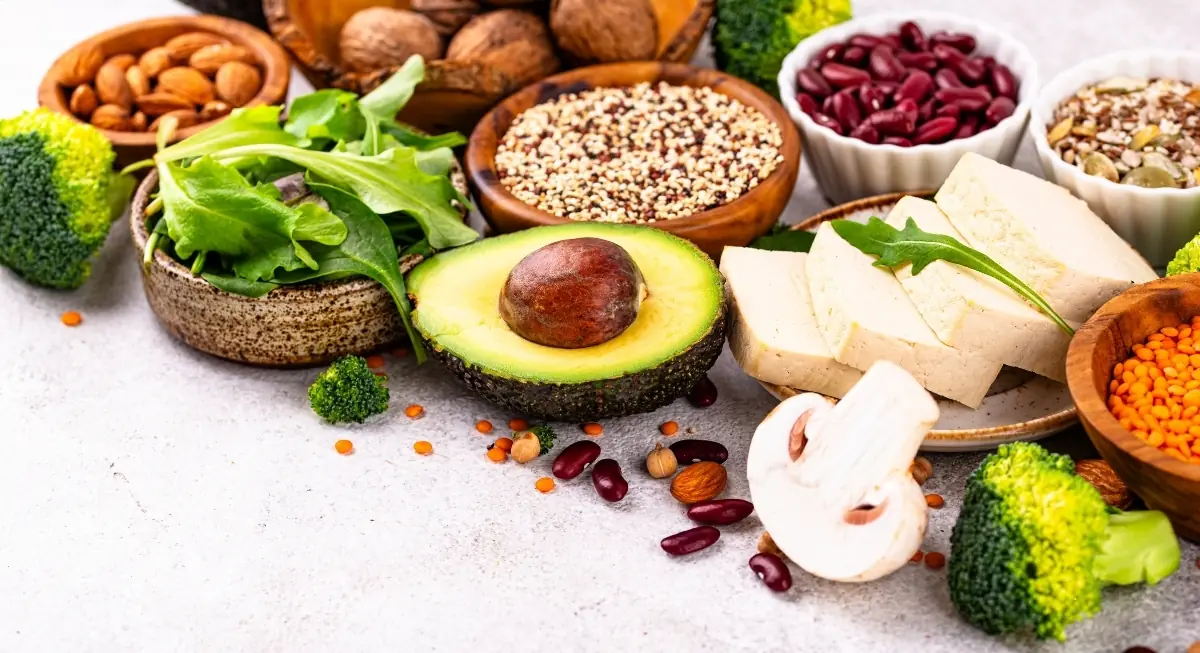
For years, plant-based foods lived in the shadow of meat and dairy, but that’s changing. Around 55 percent of consumers now believe plant-based foods should stand on their own. This mindset is pushing brands to create products built around vegetables, legumes, and grains instead of trying to imitate burgers or cheese slices.
The Move Away From Meat Imitation
The early 2020s focused on replication, but by 2026, that approach began to lose steam. Sales for traditional meat alternatives have slowed, and major brands are adjusting. New launches embrace products like mushroom-based proteins or falafel-style offerings that don’t try to mimic anything. It’s smarter since these products avoid direct comparison with meat.
Hybrid Products Are Taking Off
Blending plant and animal protein is now practical. Products mixing 25 to 50 percent plant contents are seeing stronger acceptance because they keep a familiar taste and texture while lowering environmental impact. For many shoppers, that balance feels easier than going fully plant-based.
Flexitarians Are Steering the Market
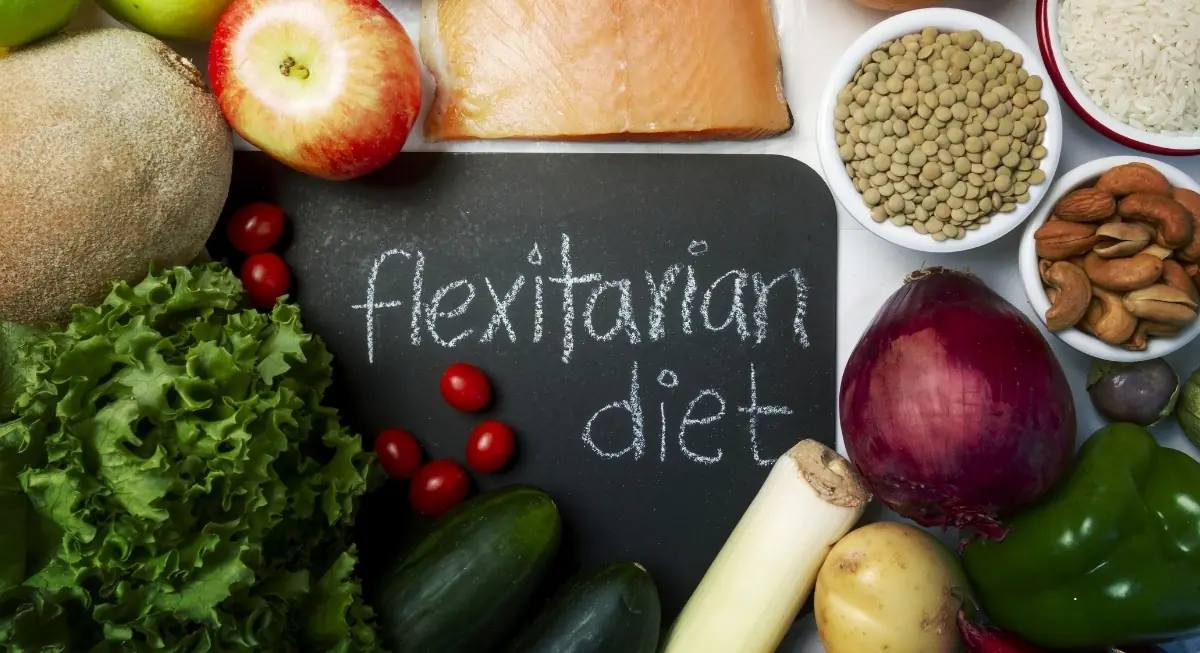
Flexitarian consumers are driving demand, and brands are building products to fit into everyday eating habits rather than strict diets. This explains the rise in blended burgers, mushroom-based nuggets, and half-plant sausages, with some formats growing by more than 20 percent year over year.
Clean Labels Are Becoming Non-Negotiable
Ingredient lists are under a microscope. About 64 percent of consumers want plant-based products with less processing. That’s pushing companies to cut additives, shorten ingredient lists, and highlight recognizable foods like lentils, chickpeas, and mushrooms. Some brands even print the number of ingredients on the package to make the point clear.
Taste Still Decides Everything

Health claims help, but flavor closes the deal. Around 22.7 percent of consumers say poor taste keeps them away from plant-based foods. That’s why simple dishes like tofu scramble or vegetable broths outperform heavily engineered alternatives. If it doesn’t taste good, nothing else matters.
Protein Is Being Reimagined
“High protein” used to be enough, but now, consumers expect more. Products featuring plant protein blends, fiber combinations, and satiety benefits are gaining attention. Around 17 percent of new plant-based launches now highlight natural plant proteins as a key selling point.
New Ingredients Are Expanding the Playbook
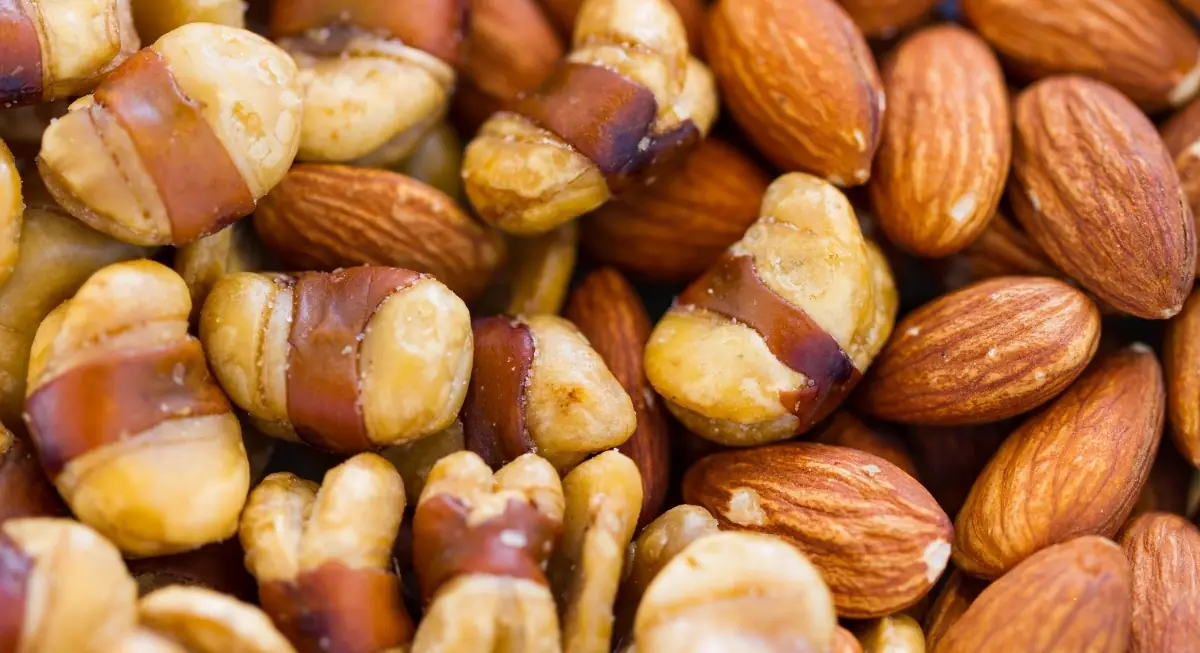
Pea, soy, and wheat are still front and center, but newer options are catching on. Fava beans and almond proteins are among the fastest-growing, thanks to their versatility. Regional ingredients are also stepping in, such as cactus in Mexico and millet-based dairy alternatives in India.
Restaurants Are Making It Mainstream
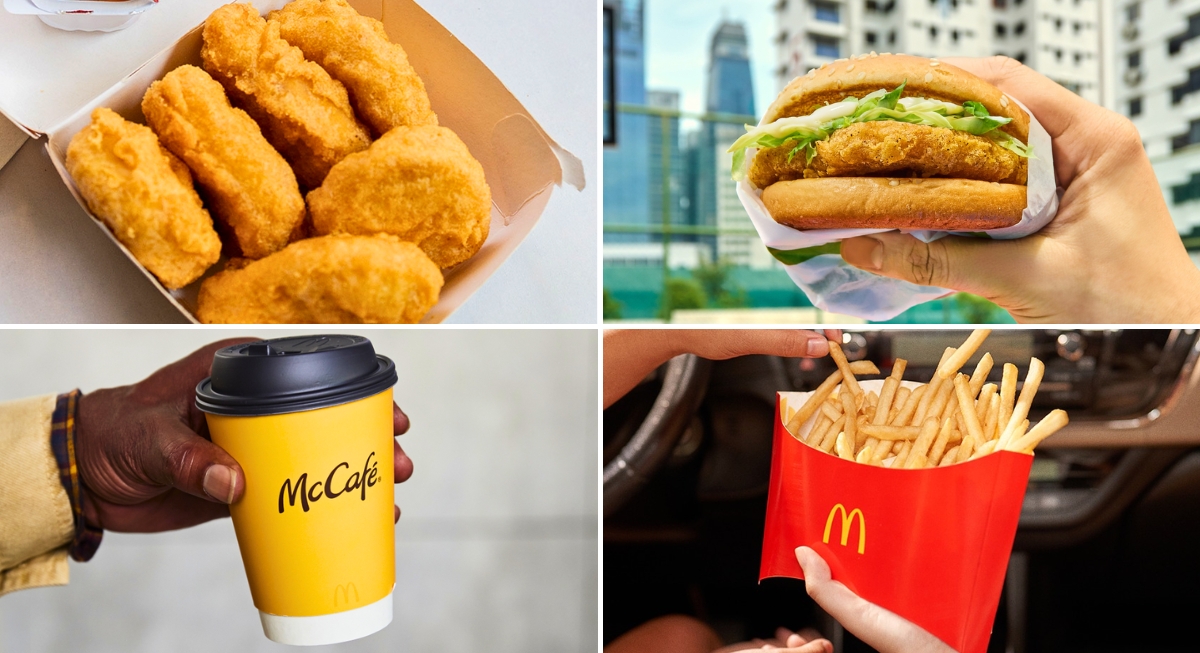
Plant-based options are increasing on menus. Chains like McDonald’s and Burger King have introduced items such as the McPlant and the Impossible Whopper, while global menus keep expanding with plant-based pastas, pizzas, and wraps. The expectation is that these dishes should compete with everything else on the menu.
AI Is Speeding Up Innovation
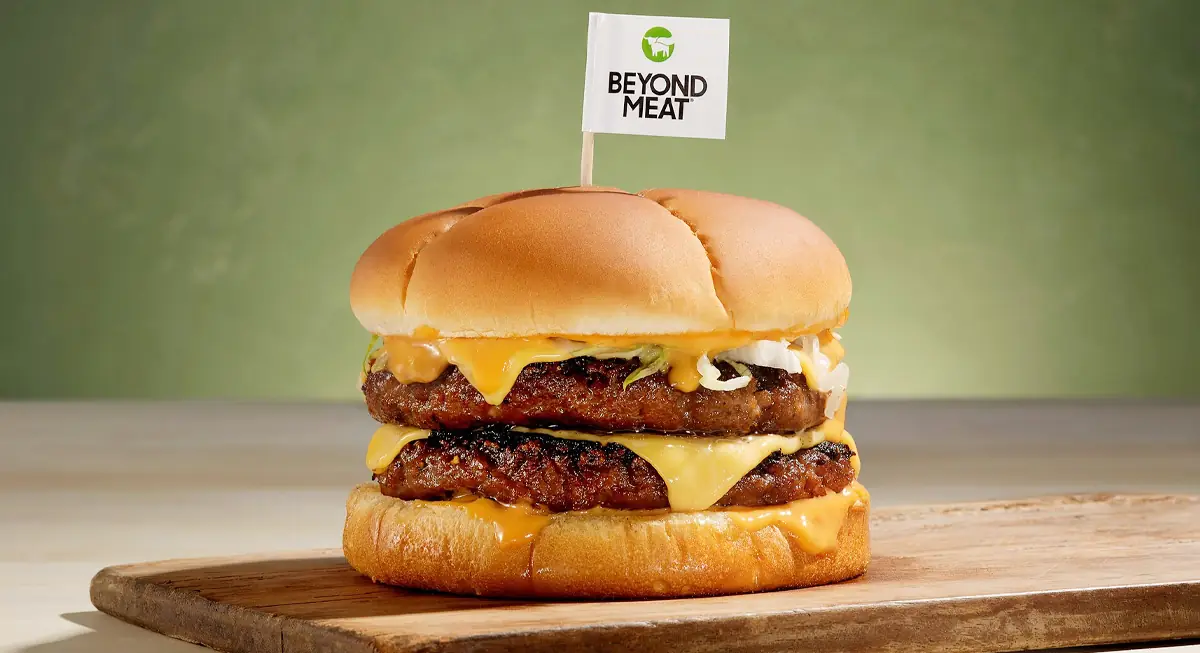
Product development used to take up to 18 months. However, with AI, companies are cutting that timeline to weeks. Brands like NotCo and Beyond Meat use machine learning to fine-tune flavor and texture, while predictive tools identify what consumers want before products even hit the shelf. \