The organic label can signal meaningful differences in farming practices, but it doesn’t automatically translate to better nutrition, safety, or quality. In many grocery categories, the higher price reflects certification costs and branding more than any measurable benefit to the food itself. These are ten foods where paying extra for organic versions rarely delivers enough value to justify the premium.
Bananas
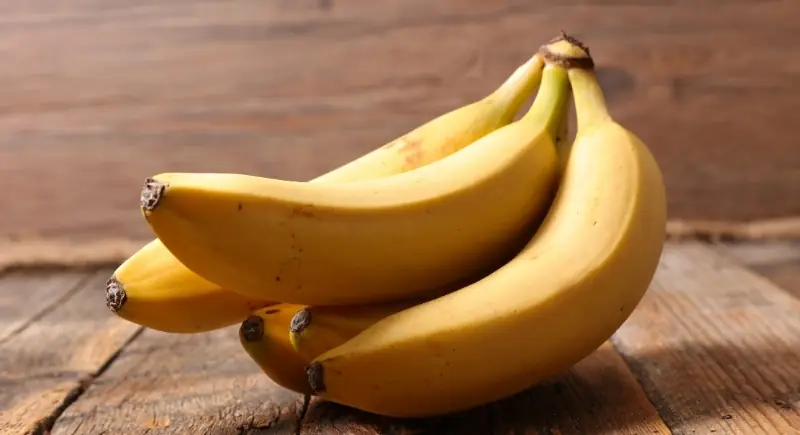
Bananas are among the clearest examples of a food for which organic status makes little practical difference. The fruit grows inside a thick, inedible peel that’s removed before eating, limiting exposure to surface treatments during farming and transport. Residue testing consistently shows minimal pesticide transfer to the edible portion. Nutritionally, organic and conventional bananas offer the same levels of potassium, fiber, and natural sugars, making the price gap difficult to justify.
Olive Oil
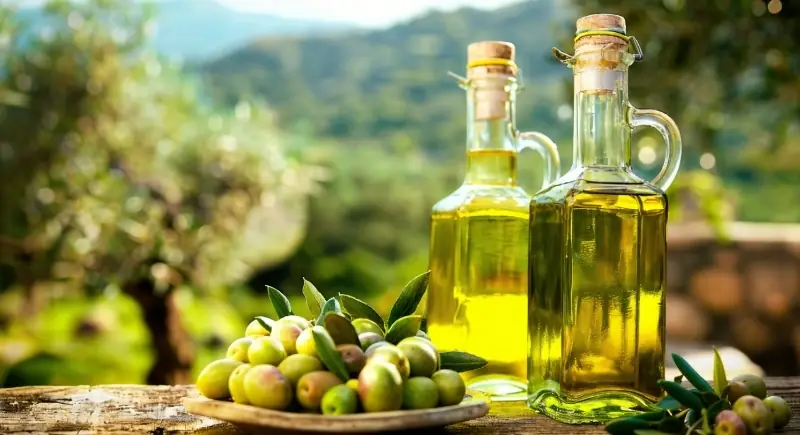
With olive oil, quality is determined far more by freshness, harvest timing, pressing method, and storage than by organic status. Extra-virgin oils that are recently produced, cold-pressed, and stored in dark bottles deliver better flavor and antioxidant content than older organic oils sitting on shelves. A non-organic olive oil with clear sourcing and a recent harvest date often outperforms an organic one with less transparency.
Eggs
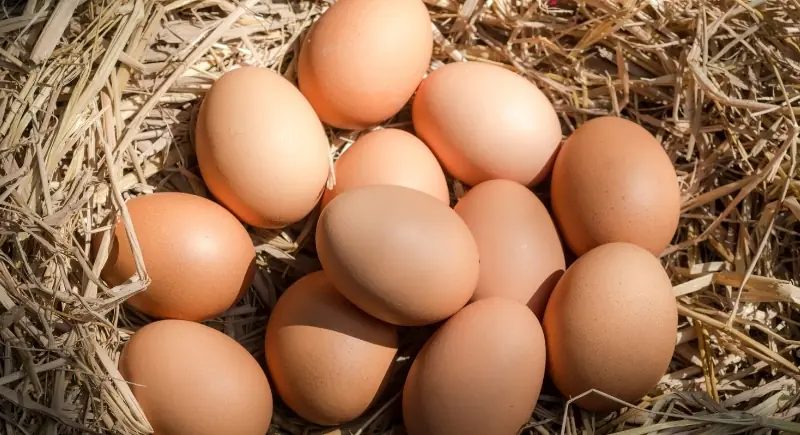
Organic eggs often cost significantly more, but the nutritional differences people care about—such as omega-3 content or yolk color—are driven by the hen’s diet and access to pasture. Conventional eggs from hens fed omega-3-rich diets can match or exceed the nutritional profile of organic eggs. From a cooking standpoint, there’s no consistent difference in taste, structure, or performance.
Asparagus
Asparagus regularly appears on lists of produce with low pesticide residue, regardless of whether it’s grown organically or conventionally. Extensive testing shows that most conventional asparagus contains little to no detectable residue by the time it reaches stores. Since it’s typically cooked before eating, any remaining traces are further reduced.
Avocados
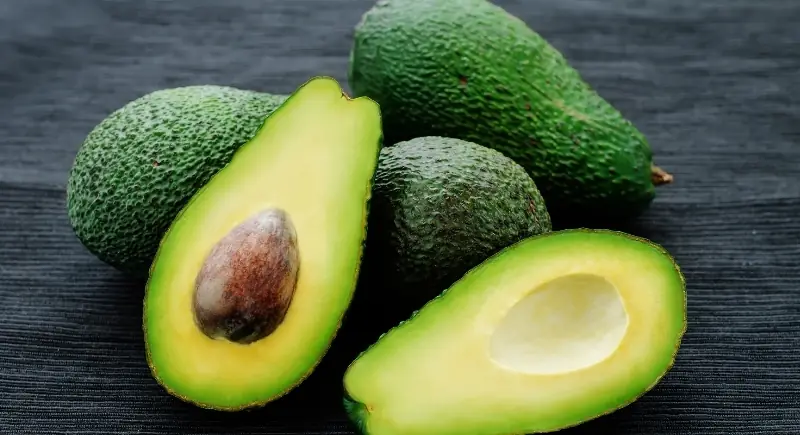
Avocados command some of the highest organic markups in the produce aisle, yet their structure works against the need for organic certification. The thick skin acts as a natural barrier, and the edible flesh remains well-protected during growth. Studies consistently find low residue levels in conventional avocados, and the fat content, vitamins, and texture are identical across growing methods.
Popcorn Kernels
Plain popcorn kernels are one of the least processed foods you can buy, and conventional versions already test low for pesticide residue. When popped at home, organic and non-organic kernels behave the same: identical texture, flavor, and yield. The organic premium becomes even harder to justify given how inexpensive conventional kernels already are.
Maple Syrup

Pure maple syrup is tightly regulated regardless of organic status, with strict standards governing tapping, boiling, and bottling. The production process doesn’t rely on synthetic additives, and nutritional differences between organic and non-organic syrup are negligible. Flavor variations come from tree species and processing techniques, not certification, making the higher price largely symbolic.
Spices
Spices are sold in small quantities but carry large markups, and organic versions can cost substantially more. Flavor quality depends on freshness, grinding, and storage conditions, not whether the plant was organically grown. In some cases, organic spices face higher contamination risks because they’re not treated to control bacteria or pests. Buying fresher conventional spices—or grinding your own—often delivers better results at a lower cost.
Packaged Snack Foods
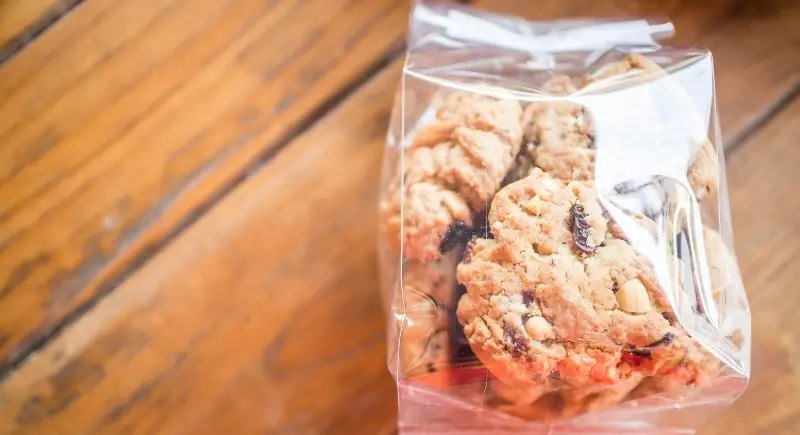
Organic cookies, crackers, gummies, and chips still rely on refined sugars, flours, and oils. The organic label doesn’t change their nutritional makeup, calorie density, or role in a diet. These products often cost significantly more while offering the same indulgent profile as their conventional counterparts, making the upgrade largely cosmetic.
Quinoa
Quinoa naturally resists pests thanks to bitter compounds on its outer layer, which reduces the need for chemical intervention during farming. Both organic and conventional quinoa are typically rinsed and processed the same way before sale, resulting in identical protein content, mineral levels, and cooking performance. In blind comparisons, the difference comes down to variety and freshness, not organic status.