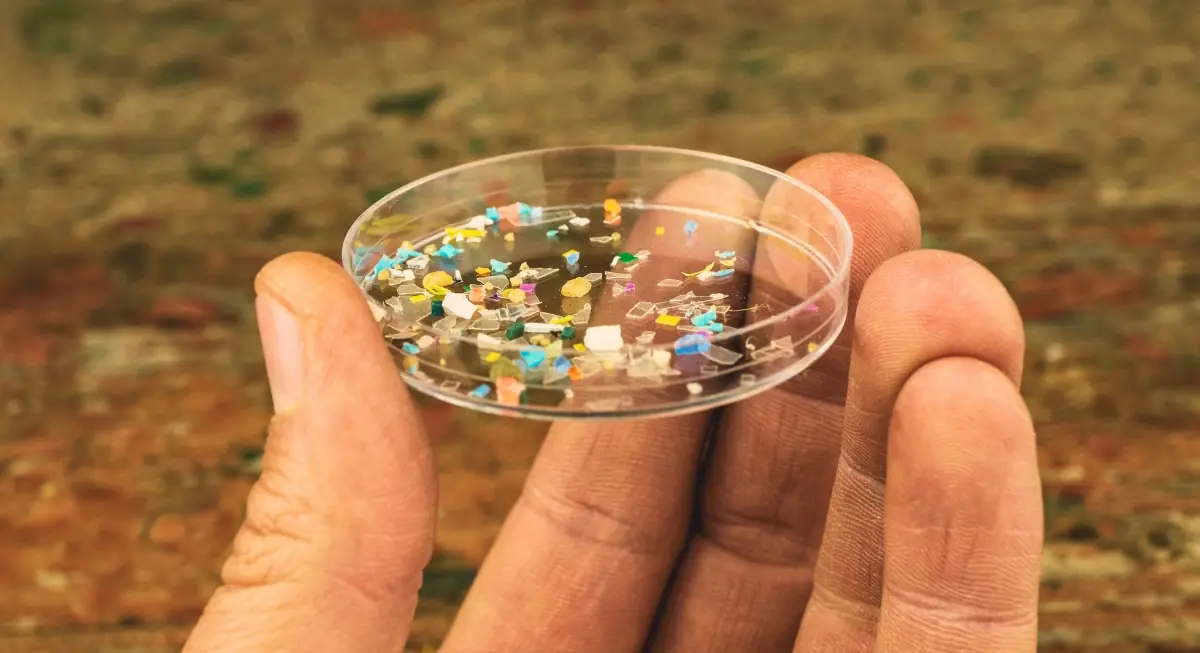
Microplastics have become a routine part of the environment, and that includes the food supply. Studies over the past few years have found particles in soil, water, packaged goods, and even human tissues. Researchers detected them in arterial plaque in 2024, and bottled water tests in 2024 and 2025 showed high particle counts.
It’s common to fully understand how common the exposure has become. The foods on this list are commonly found in most households, which is why these eight categories often arise in global discussions about microplastics and diet.
Seafood
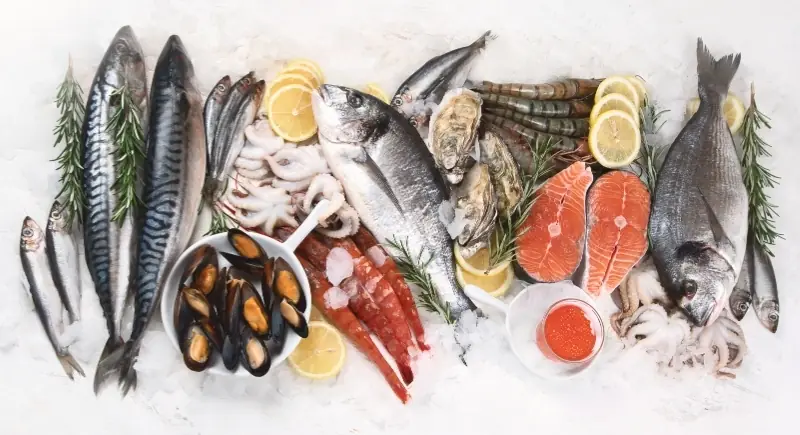
Saltwater life deals with plastics long before they reach a plate. Studies sampling global seafood found microplastics in nearly all tested fish and shellfish. Filter feeders show the highest loads because they pull water through their systems all day. Choosing varieties lower on the food chain doesn’t always guarantee lower exposure, but rotating seafood with other proteins helps limit those frequent hits.
Tea Bags

Hot water turns certain tea bags into particle factories. One Canadian study found that steeping a single plastic-based tea bag released billions of microplastic and nanoplastic particles into a cup. Materials like polypropylene and nylon shed when submerged in heat, which means even a peaceful morning drink can come with an added load. Loose-leaf tea brewed in stainless steel or glass limits this issue.
Rice
Studies have found that rice can contain microplastics before it ever reaches the stove. Research from the University of Queensland reported that uncooked rice carried about three to four milligrams of microplastics per 100 grams, while instant rice contained roughly 13 milligrams per serving. Rinsing rice before cooking can lower the particle load by as much as 40 percent. It also helps reduce arsenic levels.
Salt
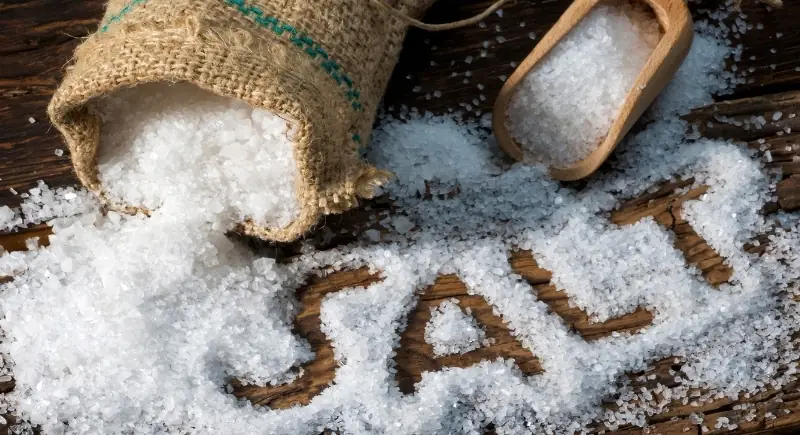
Salt absorbs whatever passes through the environment it comes from. Multiple global studies found widespread contamination in table salts, including coarse Himalayan samples and marine-sourced options. Choosing mined or traditionally harvested salts reduces exposure, and packaging in glass or cardboard helps keep the source stable.
Water in Plastic Bottles
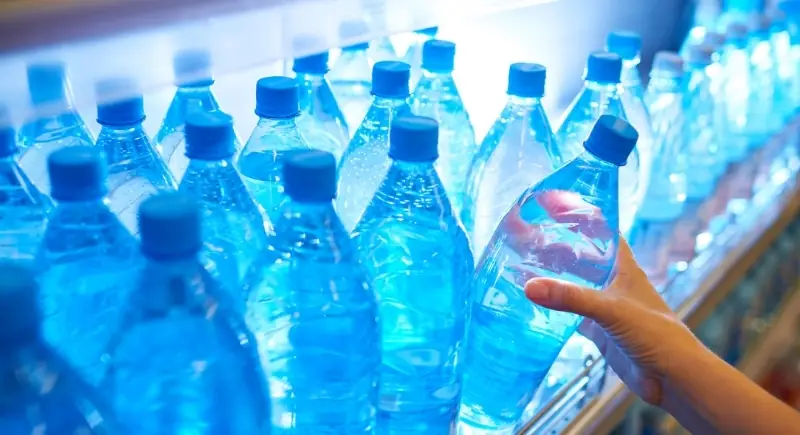
Bottled water carries some of the most eye-opening numbers. A major 2024 analysis identified an average of 240K particles per liter. The testing using advanced detection counted between 110K and 370K nanoplastics per liter in common brands. These particles often come from the bottle itself, especially when exposed to pressure or heat. Switching to filtered tap water stored in stainless steel or glass cuts this exposure dramatically.
Fruits and Vegetables
Plants can absorb microplastics through their roots, particularly those of apples and carrots. Smaller particles appeared in carrots, larger ones in lettuce. Washing and peeling help, but contamination begins long before produce reaches a kitchen.
Sugar
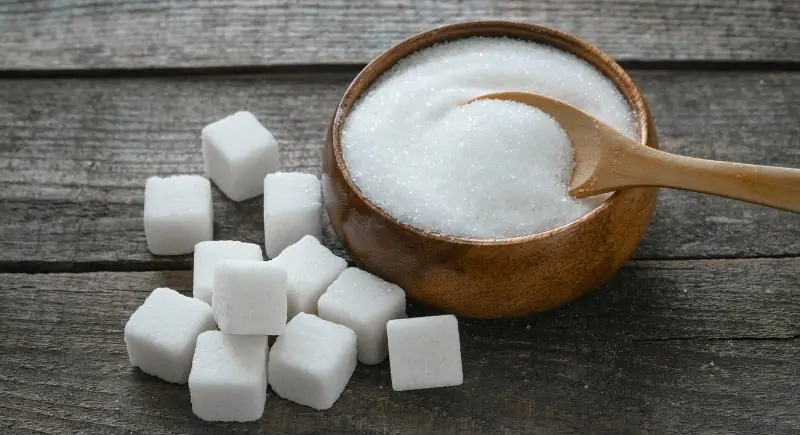
Sugar isn’t immune either. Processing environments, packaging, and environmental contamination contribute to the presence of microplastics. Choosing sugar in glass containers or minimizing added sugars can bring those numbers down.
Processed Proteins
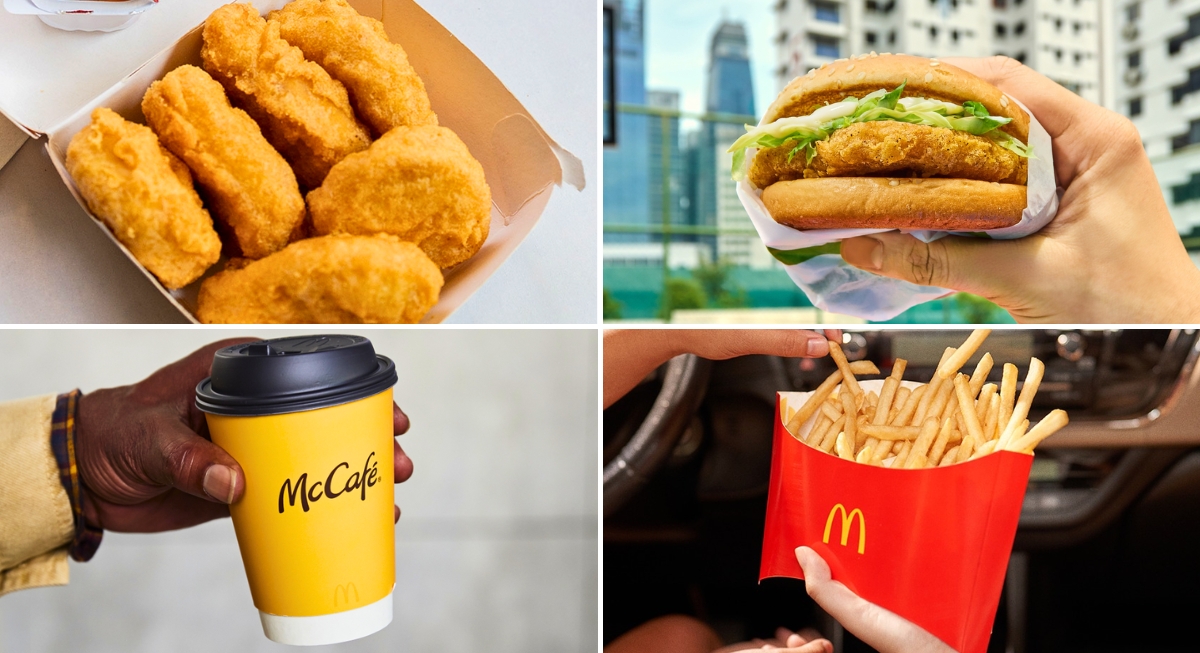
A 2024 study of proteins found contamination in both animal and plant-based options, with heavily processed foods ranking highest. Breaded shrimp averaged more than 300 particles per serving, plant-based nuggets came in around 100, and chicken nuggets followed close behind. Less processed cuts, such as chicken breasts and pork loin, carried fewer particles.