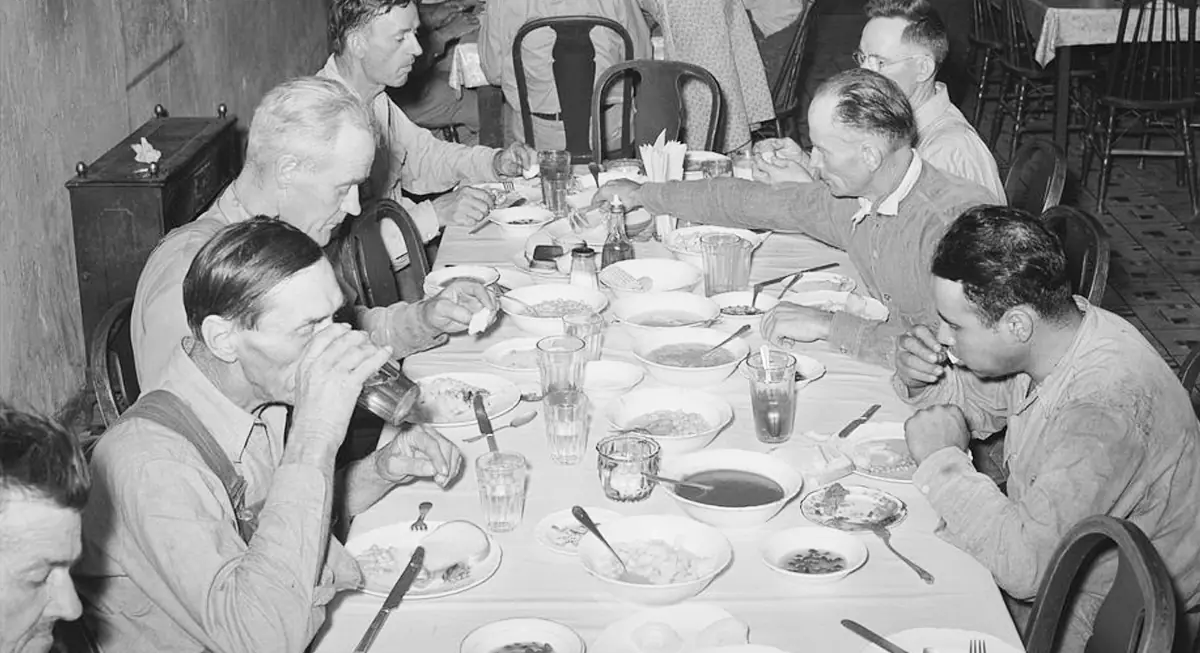
When we think about dinner in the 1800s, it’s hard not to romanticize the simplicity of it all. There were no fancy appliances or exotic ingredients shipped from across the globe. Instead, meals were deeply rooted in what was grown, raised, or caught nearby. These typical American dinners show the ingenuity and resourcefulness of their time.
Pork
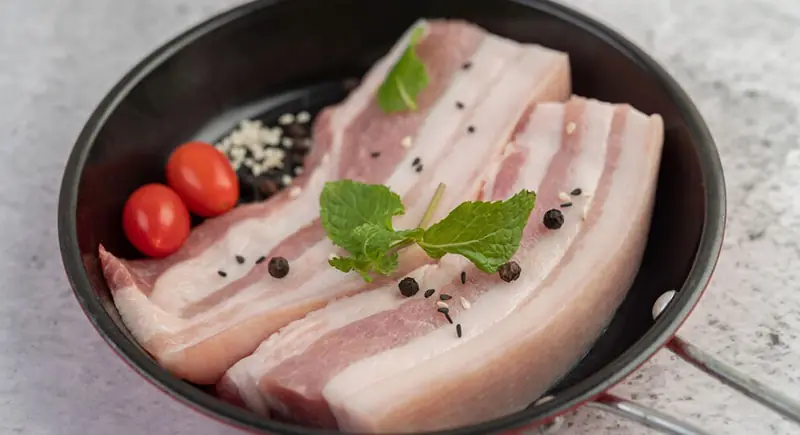
In many homes, pork was the go-to protein, and for good reason. It was easy to raise pigs, and nearly every part of the animal had a use. Salted pork might sit in a barrel for months, ready to flavor soups or stews. Ham hung in smokehouses, and lard rendered from fat was essential for frying and baking. Even pig’s feet were pickled or simmered into hearty dishes. Butchering day was a community effort, and nothing went to waste. If you had pork, you had options.
Turtle Soup
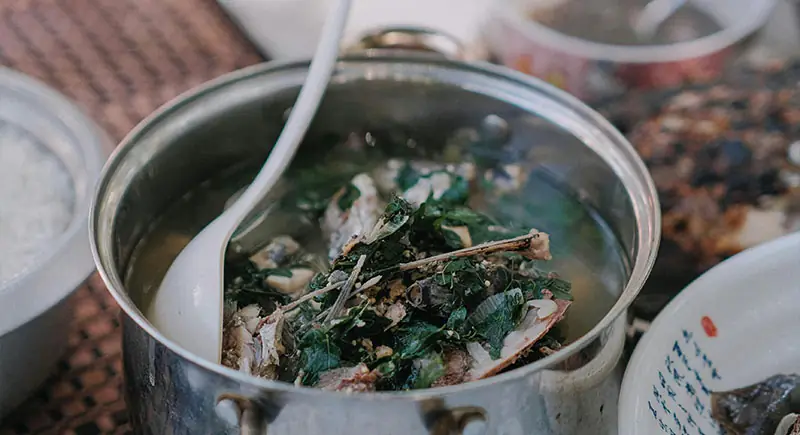
While most Americans ate simply, turtle soup became a hallmark of upper-class dining for those who had the means–and time. Preparing it was no small task—first, you had to catch the turtle, then clean it, a process not for the faint-hearted. The meat was slow-cooked with herbs and sometimes a splash of wine. It was the kind of meal you’d serve to impress, especially in wealthier households or during special gatherings.
Chicken Fricassee
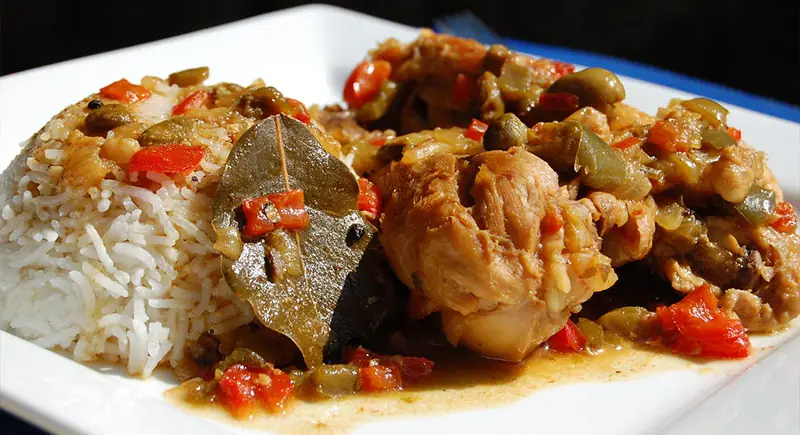
If there was ever a dish that could adapt to the cook’s creativity, it was chicken fricassee. The process started with chicken browned in fat and then simmered in a broth thickened with flour. Depending on what you had on hand, you could add fresh vegetables, dumplings, or herbs from the garden. It was versatile enough for a simple family meal but could be improved for guests with some cream or wine.
Seafood
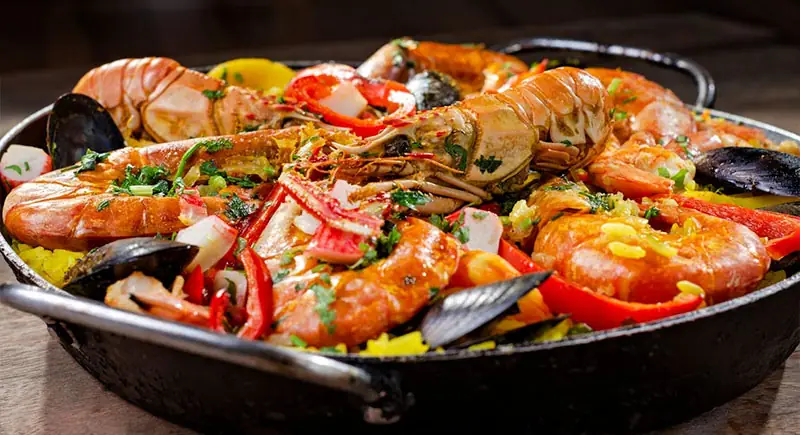
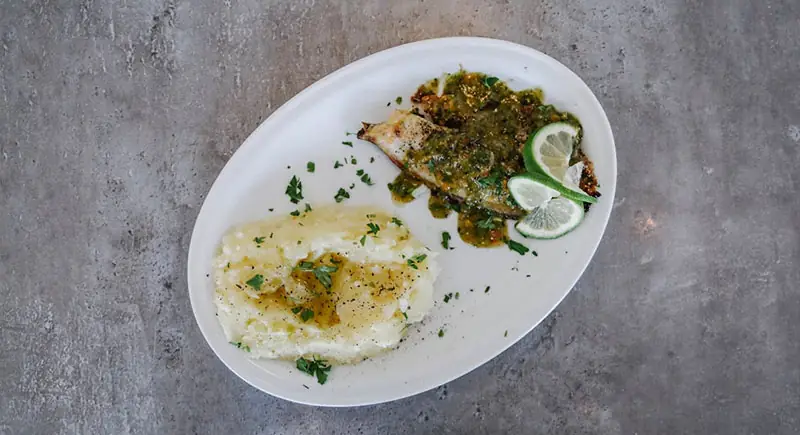
As you might expect, seafood made up a big part of the diet for those living near the water. Oysters were everywhere—raw, fried, or stewed—and they were cheap enough that even working-class families could enjoy them regularly. Fish like cod and mackerel were often salted or dried for preservation. Inland, families relied on freshwater fish like trout, frying or baking them into simple, satisfying meals.
Succotash
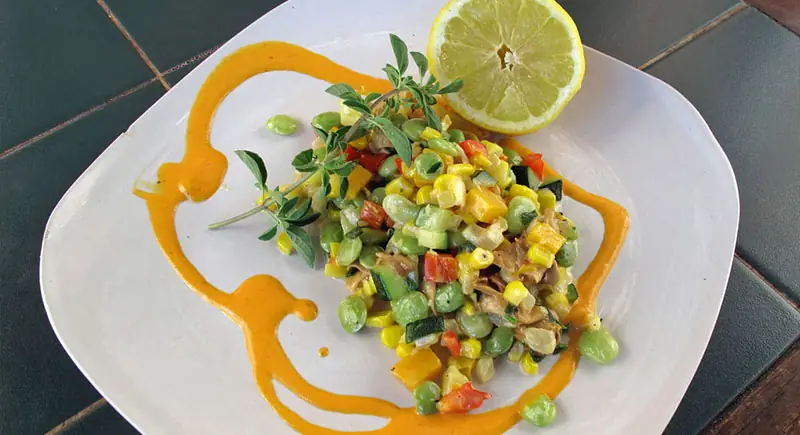
Succotash had the essence of the Native American culinary roots of the region. The dish contained a mix of corn, beans, and sometimes squash, which made it filling and nutritious. It didn’t require fancy ingredients and was accessible to families of all incomes. You could serve it alongside meat or on its own.
Baked Beans and Brown Bread
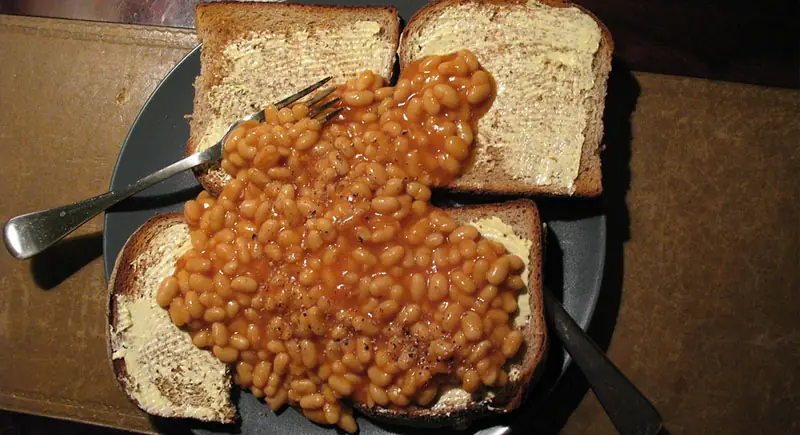
If you traveled to New England, you’d likely find baked beans and brown bread on the menu. The beans, slow-cooked with molasses and pork, were sweet and savory, while the brown bread—steamed in cylindrical tins—was dense and slightly sweet. Together, they made a meal that was filling, economical, and full of flavor, especially during the colder months.
Hasty Pudding
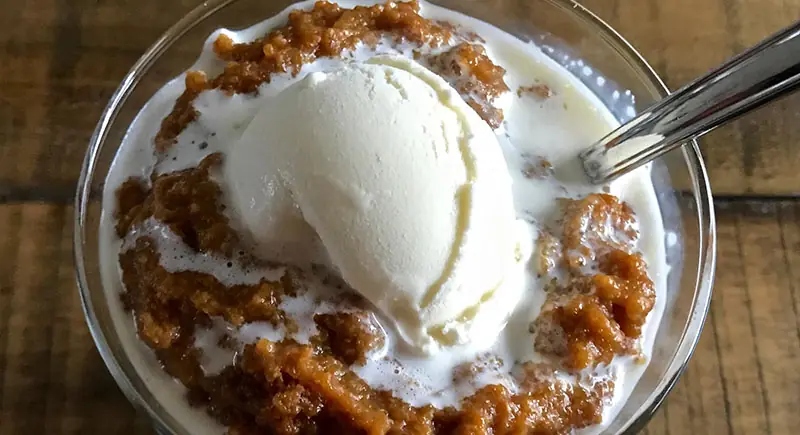
Hasty pudding was a simple dish made by boiling cornmeal with water or milk until it thickened into a porridge-like consistency. It was the definition of practicality—easy to make, easy to stretch, and endlessly adaptable. Families might sweeten it with molasses or eat it plain as a budget-friendly filler. It wasn’t flashy, but it got the job done.
Squab
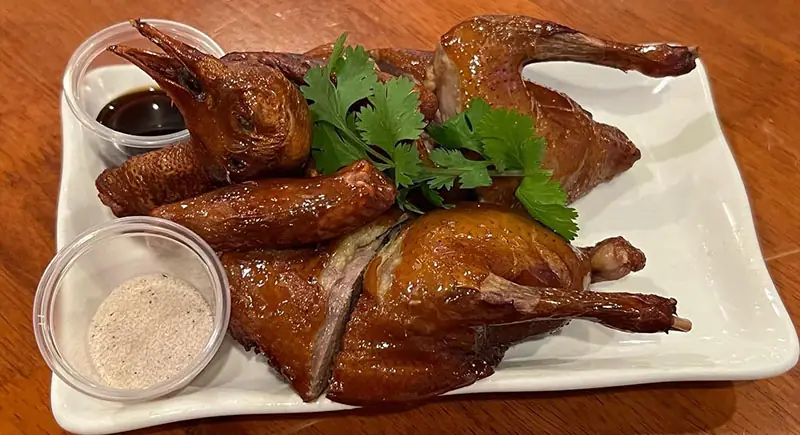
Before passenger pigeons were driven to extinction in the late 1800s, their meat was a staple for rural families–which also explains their extinction. Squab, or young pigeon, was particularly tender and often roasted, stewed, or baked into pies. Hunting these birds was easy—they traveled in massive flocks so dense they could darken the sky. This abundance made them an accessible and affordable source of protein.
Easy Desserts
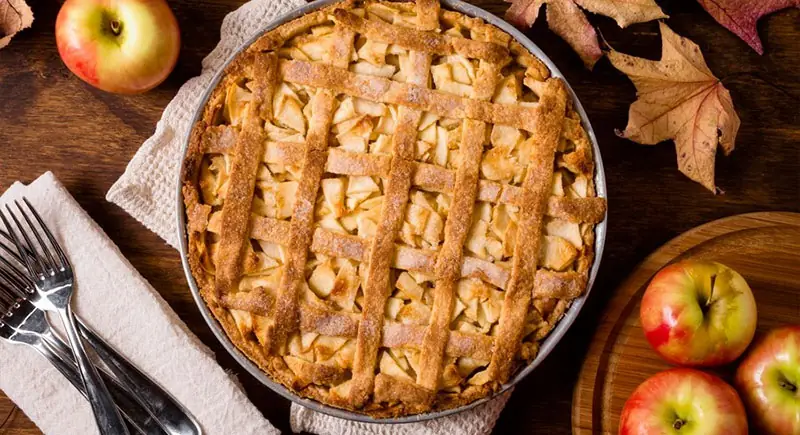
Desserts weren’t extravagant, but they were satisfying. Apple pie was a favorite, especially in homes that preserved apples through drying. Bread pudding turned stale bread into something sweet and comforting, often spiced with cinnamon or nutmeg. If there was sugar on hand, it was used sparingly, with molasses or honey stepping in as sweeteners. Dessert wasn’t about indulgence; it was about making the most of what you had.
Calf’s Head
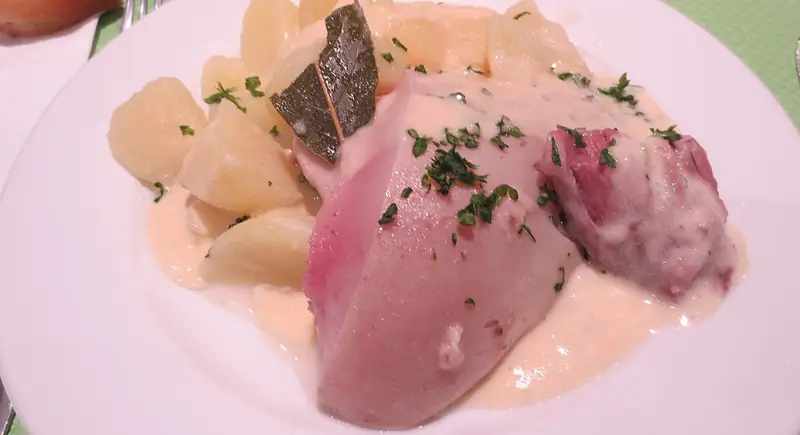
Cooking a calf’s head might sound strange to modern ears, but in the 1800s, it was a practical way to use every part of the animal. The meat was tender and flavorful, often used in soups or pies. Even the tongue and brain found their way into recipes. It was a dish born out of necessity and a perfect depiction of the no-waste mentality of the time.
Pickling and Preserving
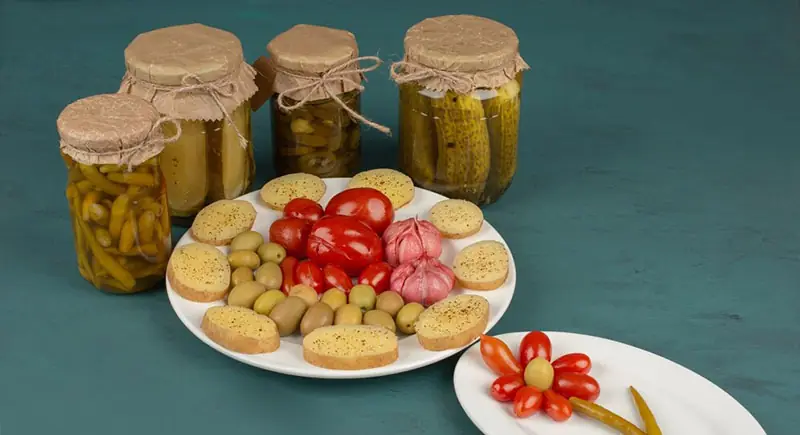
With no refrigeration, families had to rely on pickling and preserving to keep food edible through the seasons. Vegetables like cucumbers, beets, and cabbage were turned into tangy pickles, while fruits were made into jams and jellies. The meat was salted or smoked, to ensure a reliable food source, even in the dead of winter.
Bread and Butter
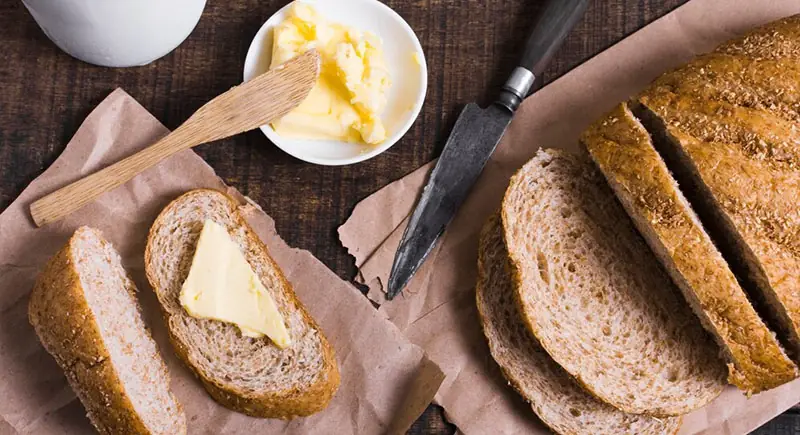
Most households baked bread daily, often using a mix of flours like rye, cornmeal, or wheat, depending on what was available. Butter was churned by hand from fresh cream, a labor-intensive process that paid off with every spreadable pat. Together, they were the base of nearly every meal.
Cornbread and Greens
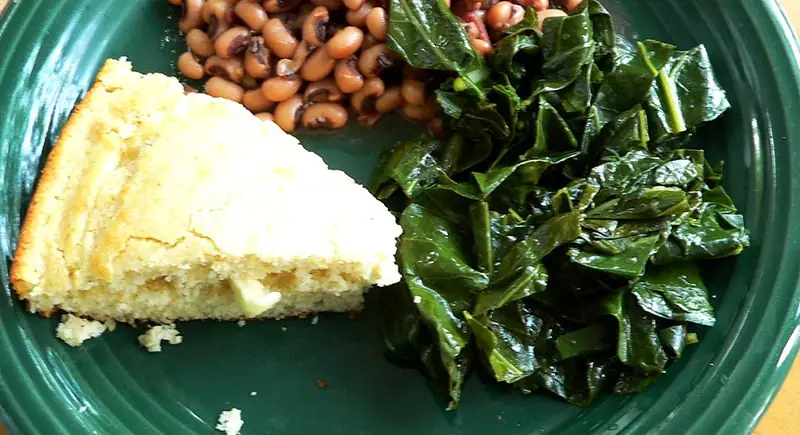
Southern meals were heavily influenced by African and Indigenous traditions. Cornbread, with its crumbly texture and rich corn flavor, was easy to prepare and paired well with the smoky, savory greens cooked with pork fat.
Beverages
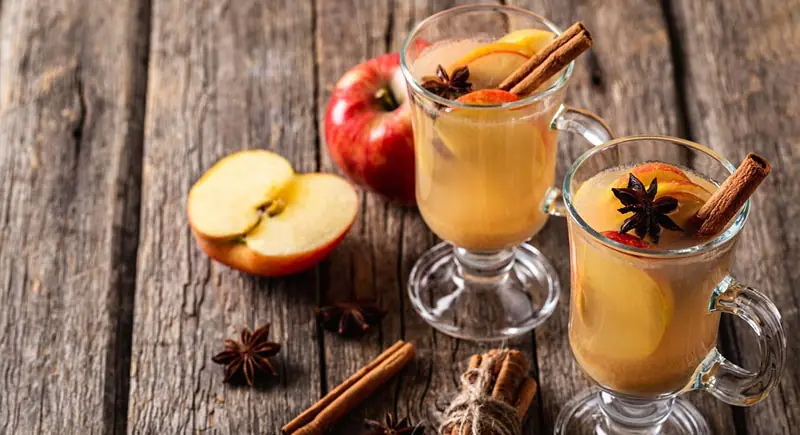
Like modern times, coffee was a morning ritual back in the day, though it was often diluted or stretched with chicory to make it last. Cider, especially in rural areas, was the drink of choice. It was made from fresh apples and could be enjoyed as a sweet, refreshing beverage or fermented into hard cider for longer storage.
Supper
After the day’s main meal, supper was supposed to be simple. It often contained leftover bread, perhaps with a drizzle of molasses or a slice of cheese. Apple pie could also reappear on the table, warmed by the fire. Supper was essentially meant to wrap up the day with something easy and comforting.
Seasonal Fruit Preserves
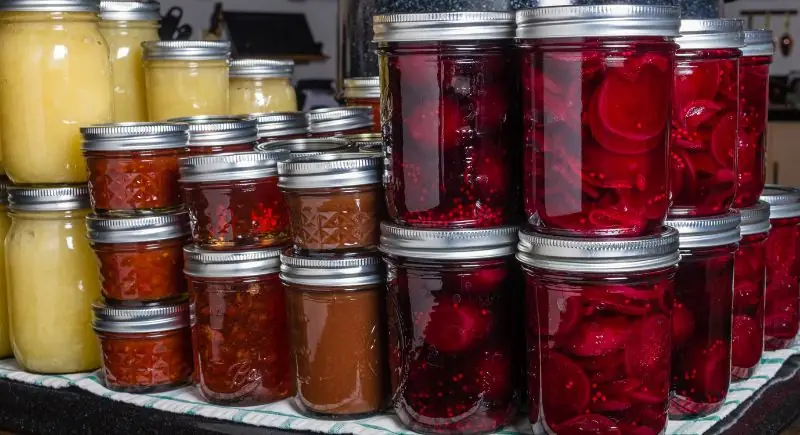
Before the advent of refrigeration, preserving fruit was a vital part of 19th-century American life. Housewives turned strawberries, peaches, and apples into jams that could last through winter. Early versions were stored in wax-sealed crocks, but the introduction of Mason jars in 1858 made home canning a year-round option for enjoying fruit flavors.
Potatoes in Every Form
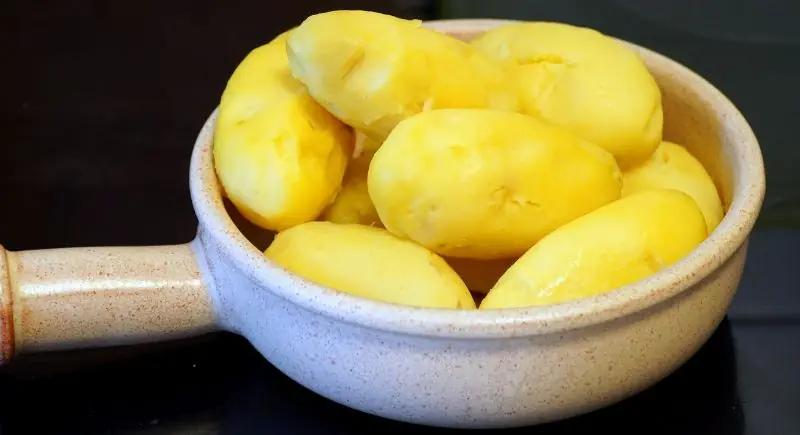
By the late 1800s, potatoes had become a staple in American kitchens. They were cheap, easy to grow, and adaptable to nearly any meal. Cookbooks featured them boiled, baked, or fried beside hearty meats and stews. Practical and filling, potatoes were the ultimate comfort food long before fast food became a phenomenon.