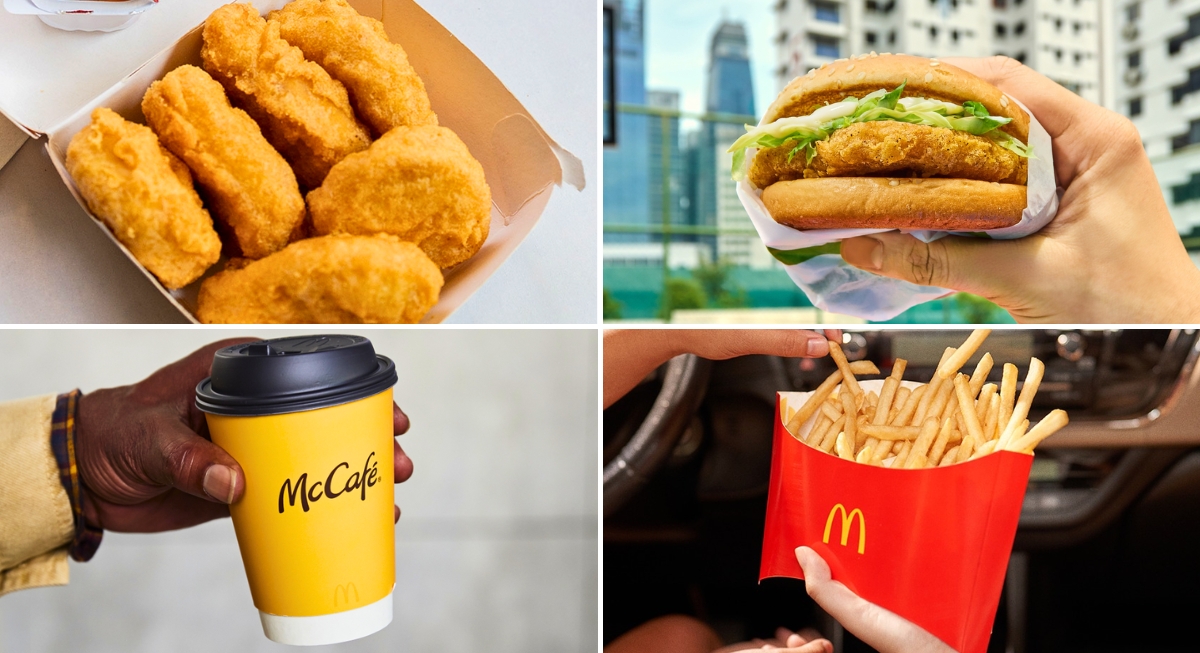
Fast food is fast for a reason. It’s convenient, budget-friendly, and, of course, has that salty-sweet-addictive flavor that hits hard and keeps you coming back. But what if we told you that some of the ingredients in those drive-thru faves are banned in other countries? In fact, there’s scientific backing behind claims that some of these ingredients are used in industrial products or linked to some pretty concerning health effects. That doesn’t sound too fun anymore, does it?
So, before some of your favorite foods do more damage, let’s learn about the list of legal but alarming ingredients still present in fast food across the U.S.
TBHQ (Tertiary Butylhydroquinone)
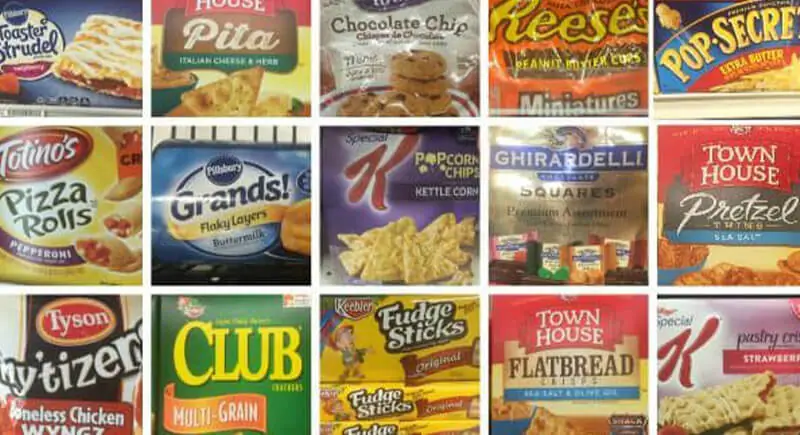
TBHQ is found in snacks and fast food but is also used to preserve oils. In high doses, it’s caused tumors and nervous system damage in lab animals. The ingredient is banned in some countries, though it’s still legal in the U.S. Many experts agree it’s better left off your plate.
Dimethylpolysiloxane
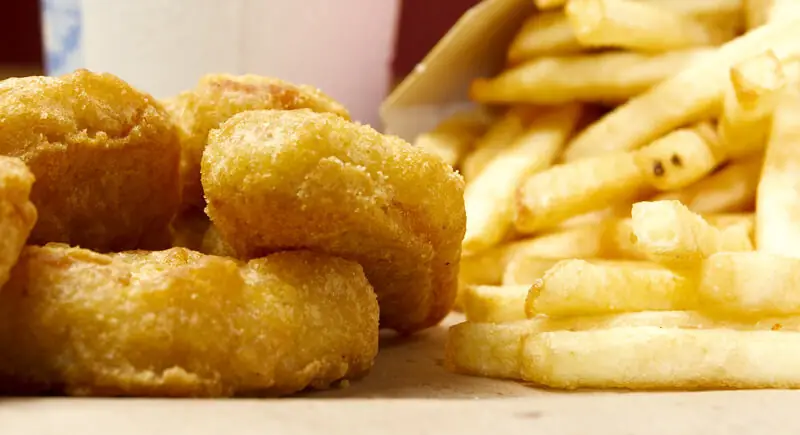
This anti-foaming agent is found in fries and nuggets but is also used in Silly Putty and cosmetics. While considered safe in small amounts, the idea of eating the same stuff that keeps your aquarium sealed tight makes it kinda weird and a lot less comforting.
Propylene Glycol
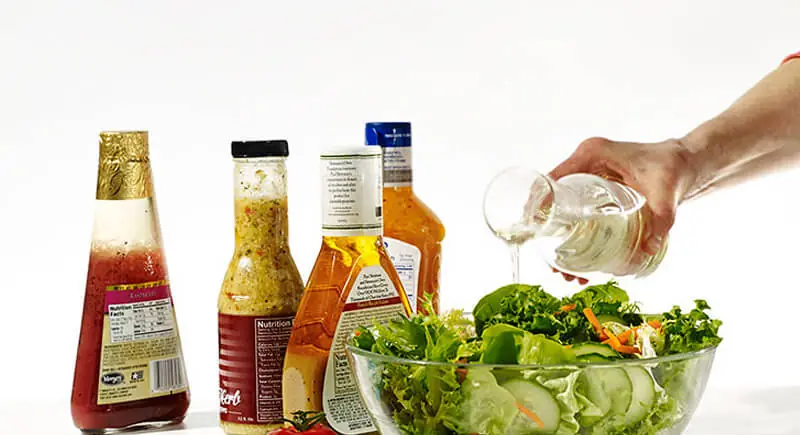
Propylene glycol is used to retain moisture and shows up in sauces, dressings, and soft-serve. It’s also used in antifreeze—though a “safer” kind. Still, Europe limits it more than the U.S. does. It’s not poison, but it’s not something you want on daily rotation either.
Azodicarbonamide (ADA)
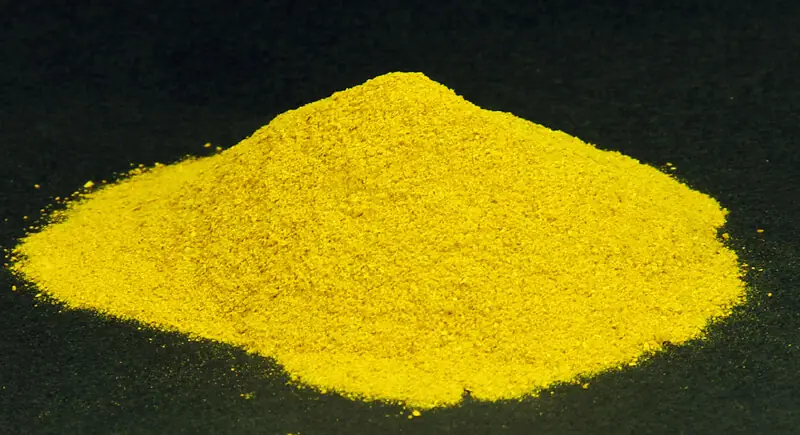
ADA helps bleach flour and fluff up bread. But it raises concerns because it’s also used in yoga mats. When heated, it forms compounds flagged as potential carcinogens. The ingredient is banned in Europe and Australia, but can still be consumed legally in the U.S. All for a slightly puffier bun? Seems like a strange trade-off.
Sodium Aluminum Phosphate
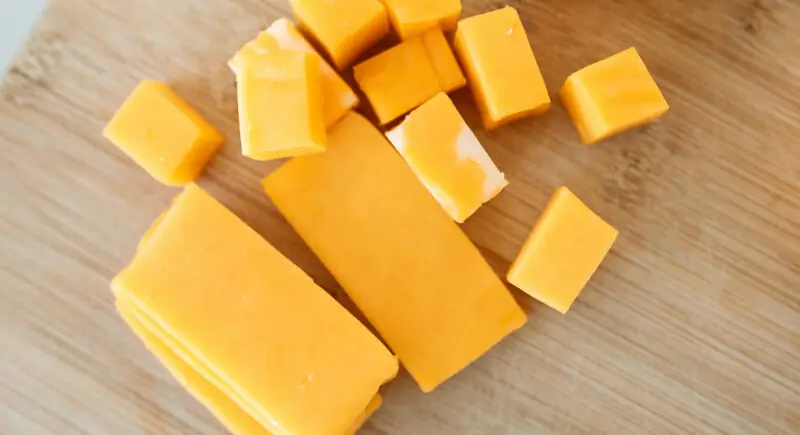
This additive appears in baked goods and processed cheese. It helps food rise but adds aluminum to your diet—something linked to potential cognitive decline. While not officially “dangerous,” it’s another hidden ingredient that raises eyebrows when you realize how often you’re unknowingly eating it.
High Fructose Corn Syrup (HFCS)
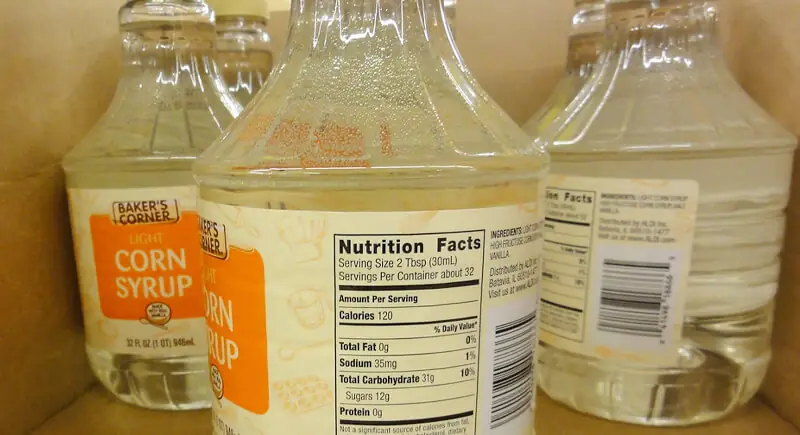
This cheap sweetener is in sodas, sauces, and even bread. It’s been linked to obesity, diabetes, and fatty liver disease. While it keeps costs low for manufacturers, regular consumption can seriously mess with your metabolism. Your body doesn’t treat it like “just sugar.”
Caramel Coloring (Type IV)
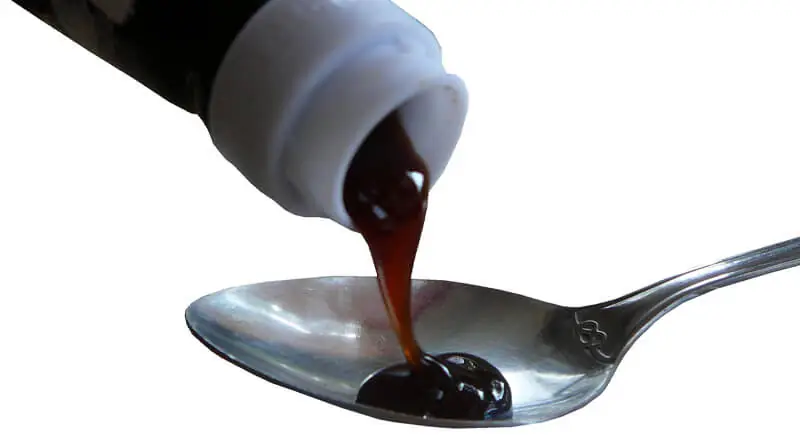
That deep brown soda color is not from caramelized sugar. This version is chemically created using ammonia. Studies show it may contain 4-MEI, a potential carcinogen. Some countries have tighter rules, but it’s still used in the U.S., mostly because it just looks more appealing.
Sodium Nitrate and Nitrite
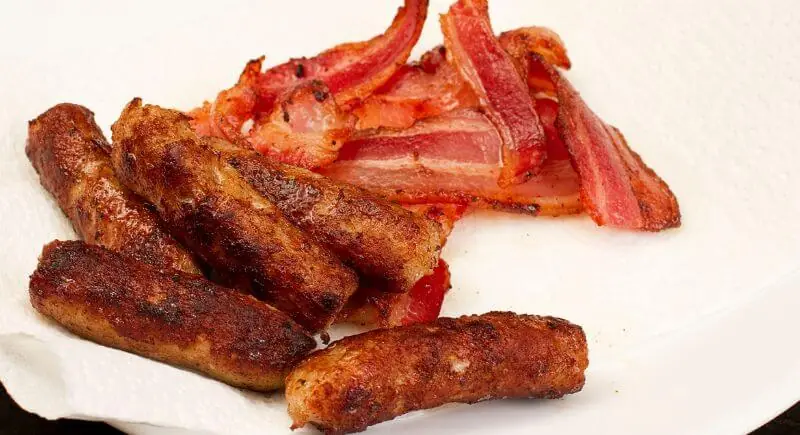
These preservatives give processed meats their color and flavor. But when heated, they can form nitrosamines—compounds linked to cancer. They’re especially common in bacon, sausage, and deli meats. They’re legal, yes. But “still looks pink” isn’t worth the long-term risk to your health.
Phosphate Additives
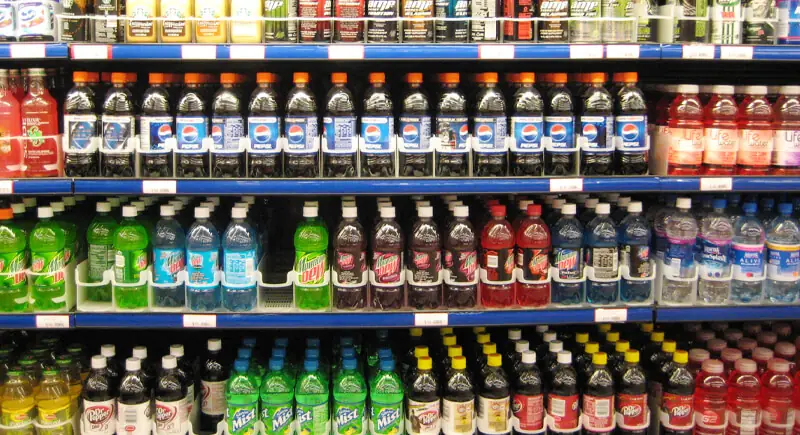
Phosphate additives are found in sodas, processed meats, and frozen meals. This ingredient helps preserve texture and boost flavor. However, too much phosphate can strain kidneys and may raise heart disease risk. Unlike natural phosphorus in foods, this stuff absorbs quickly and not in a good way.
Artificial Trans Fats (Partially Hydrogenated Oils)
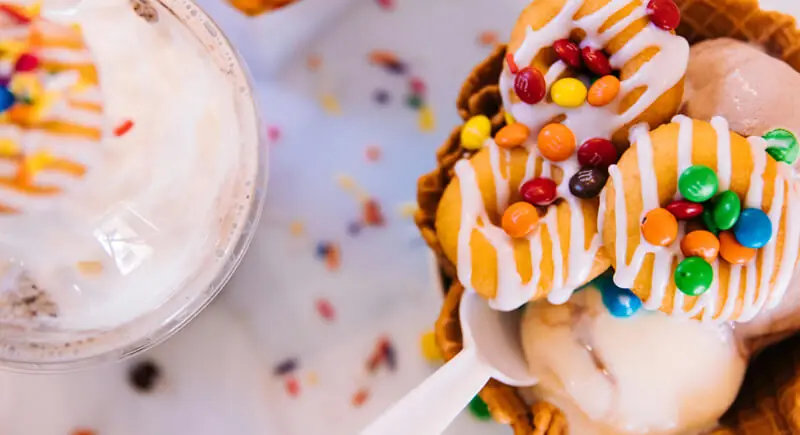
While officially banned, tiny amounts of trans fats can still sneak into foods through loopholes. Even small doses raise bad cholesterol and heart disease risk. It’s one of the worst fats out there—and when labels say 0 grams, it might not actually mean zero.
BHA & BHT (Butylated Hydroxyanisole/Toluene)
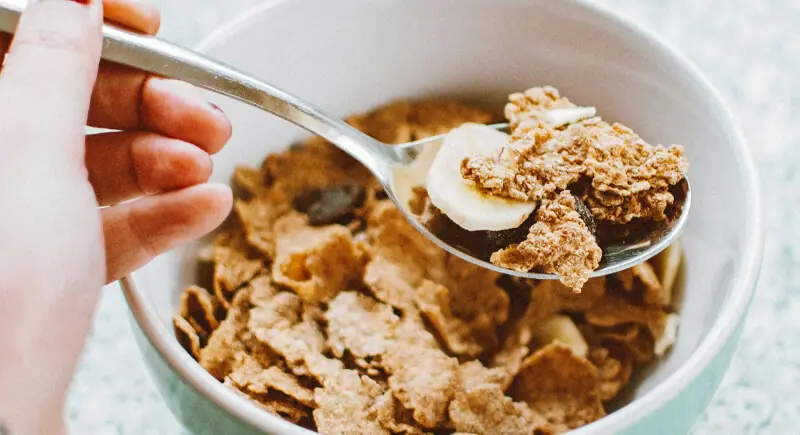
Both BHA and BHT are suspected carcinogens and used to prevent spoilage in oils and cereals. They’re banned in some countries but still pop up in the U.S. The science isn’t settled as of yet but when your cereal shares ingredients with jet fuel, it’s worth questioning.
Modified Food Starch
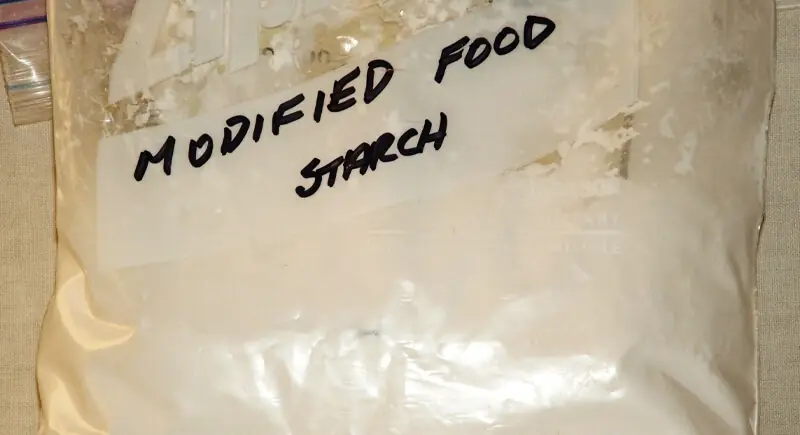
This thickener is used in sauces, dressings, and fake “cheese” to add volume. It’s not harmful on its own, but it’s cheap, empty, and replacing real nutrition. If your food feels smooth but tastes hollow, this might be the quiet reason why.
Cellulose (Wood Pulp)
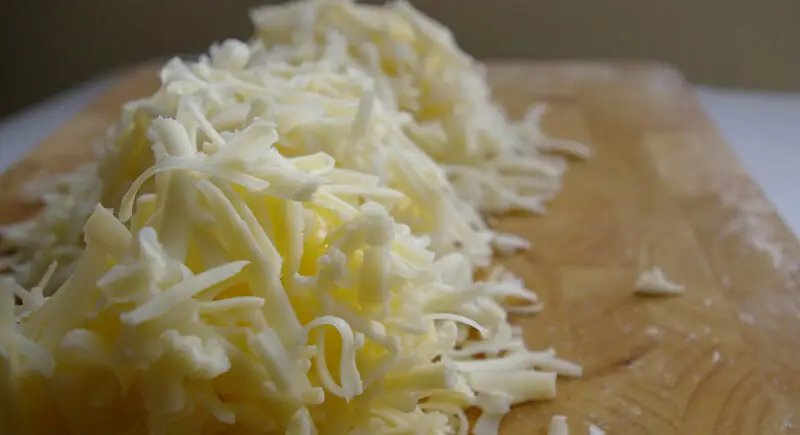
Yes, this is literally ground-up plant fiber, often from wood. It’s added to shredded cheese and baked goods to prevent clumping. It’s not unsafe, but it’s also not food in the traditional sense. Basically, some manufacturers are feeding you trees to stretch the bottom line.
Potassium Bromate
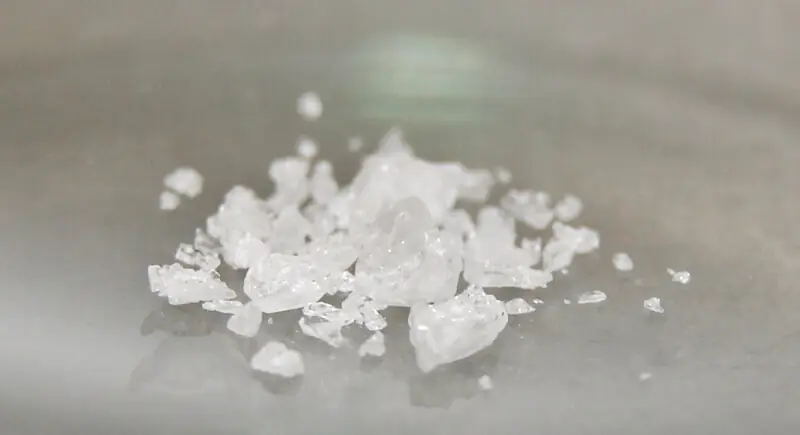
Potassium bromate is used in bread to help it rise higher and bake more evenly. Unfortunately, it has been linked to cancer in animals. It’s banned in Europe, China, and Canada, yet still allowed in the U.S. Why? Because it “bakes out,” even though trace amounts can still remain.
Monosodium Glutamate (MSG)
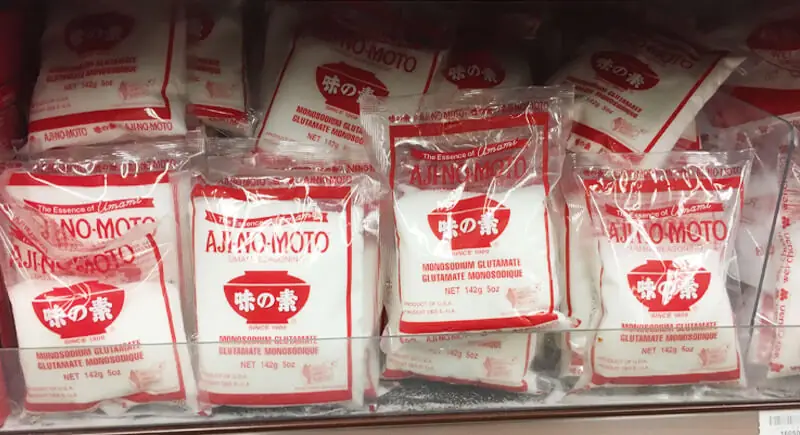
MSG enhances flavor in everything from soups to snack foods. While it’s not as dangerous as once feared, some people report headaches, nausea, or sensitivity after eating it. The science is still mixed—but if food tastes oddly addictive, MSG might be helping it cheat.
Brominated Vegetable Oil (BVO)
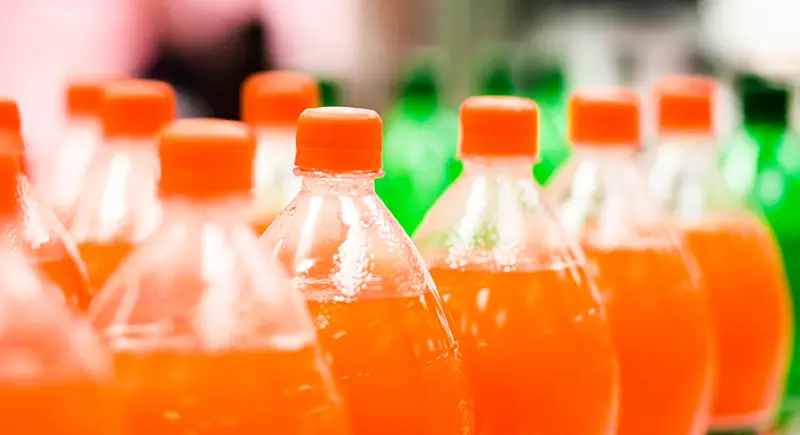
This citrus drink additive helps keep the flavor mixed, but its history is messy. Brominated vegetable oil contains bromine, also used in flame retardants. Studies have linked high exposure to nerve and thyroid issues. It lingered in sodas for years, raising eyebrows among health researchers and consumer watchdog groups.
Titanium Dioxide
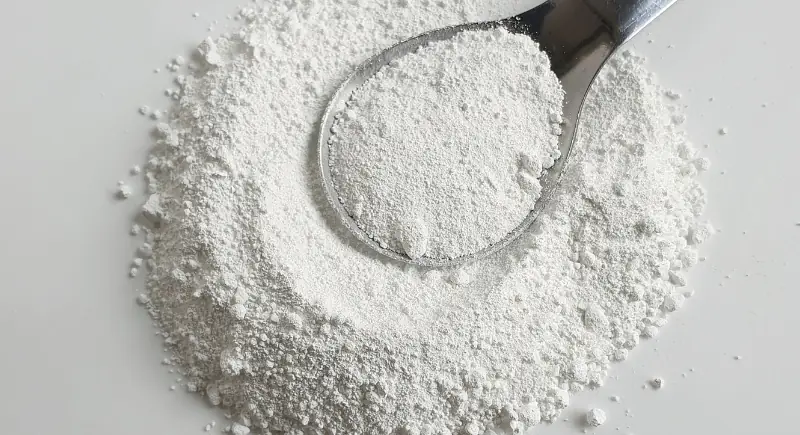
Titanium dioxide makes foods look brighter, especially candies, sauces, and baked goods. It is the same mineral used in paint and sunscreen for its whitening power. Some research has questioned its safety at very small particle sizes, sparking debate overseas while it remains permitted in certain food uses here.