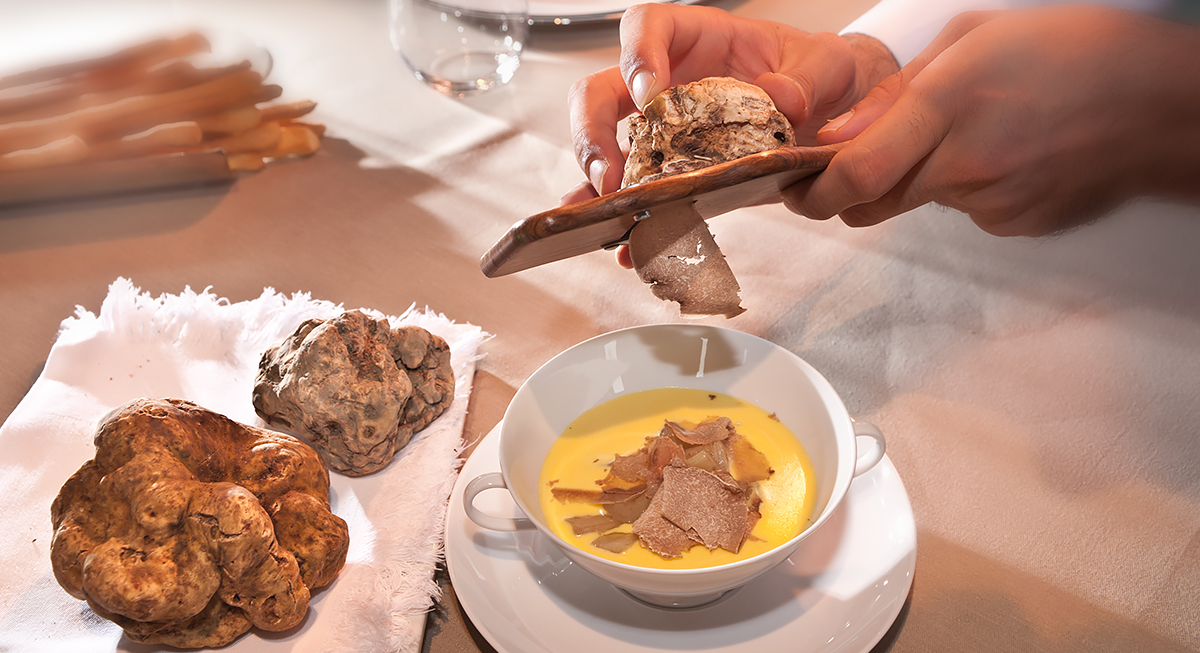
Not every food with an elegant reputation or a steep price is embraced on both sides of the Atlantic. In the United States, there’s a long list of items that many diners would rather avoid, no matter how celebrated they are elsewhere. Europeans may see them as hallmarks of tradition and refinement, but Americans often react with reluctance or outright dislike.
Caviar
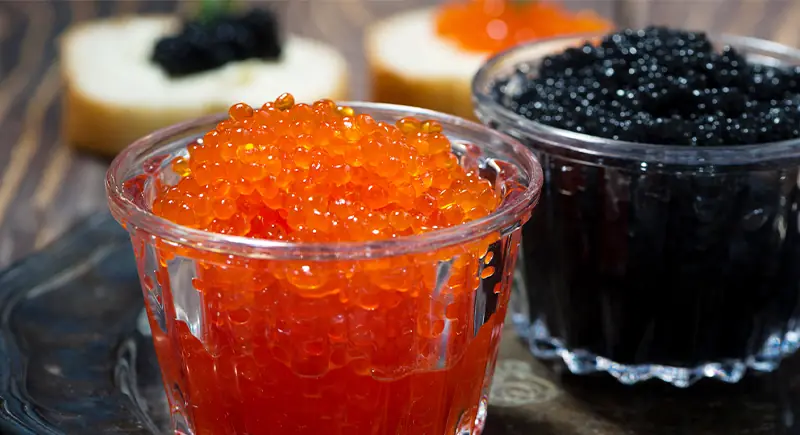
Even though caviar is synonymous with luxury, Americans often find it too salty and strange. The idea of eating fish eggs is still jarring for many. In Russia and parts of Scandinavia, it’s served regularly on blini, with sour cream, or eaten straight from the jar.
Rabbit
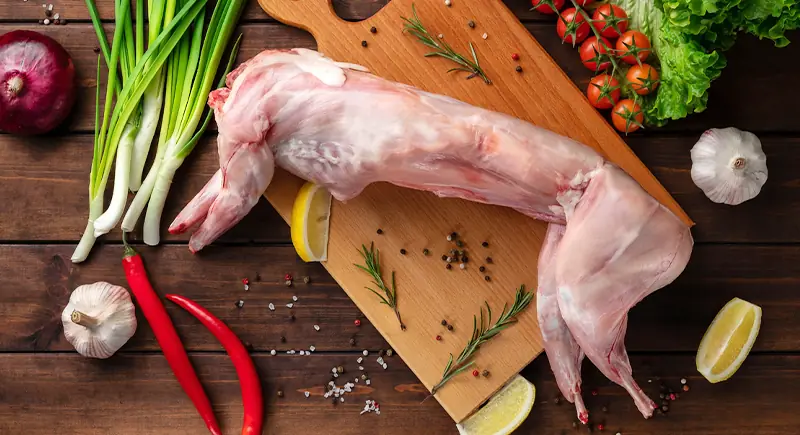
While Americans often consider rabbits pets or cartoon characters, Europeans consider them a standard protein. In Spain, rabbit stew is typical in rural kitchens. France prepares it with a slow-braised mustard sauce. It’s low in fat and high in protein, yet in the U.S., it rarely shows up on restaurant menus.
Foie Gras
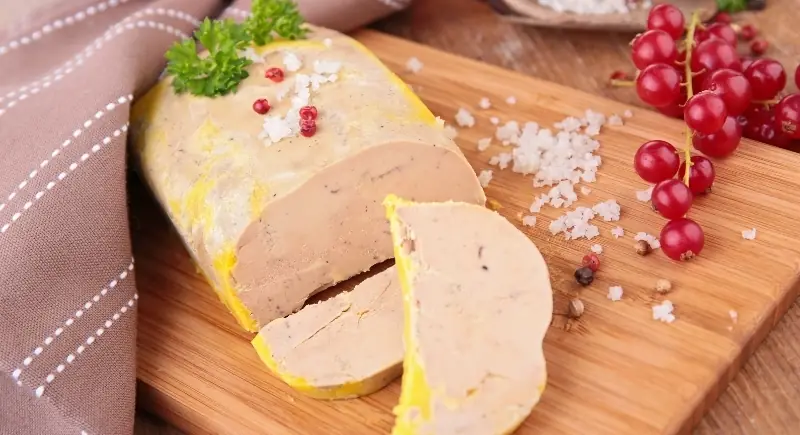
Ask a Parisian shopper what belongs on a holiday table, and foie gras will be near the top of the list. It’s bought in tins and jars, sliced, or whipped into spreads, all from the local grocery. Cross the Atlantic and the picture changes. In America, foie gras is less a food tradition than a flashpoint, argued over in courts and city halls as often as at the dinner table.
Herring
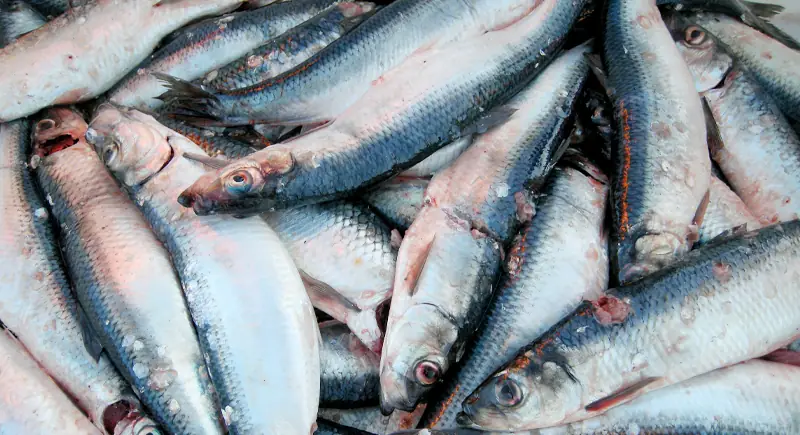
Pickled herring plays a significant role in Eastern European and Scandinavian food culture. It’s served at holidays and anywhere a drink is involved. Despite being packed with omega-3s and low in mercury, herring doesn’t translate well in the U.S., where preserved fish rarely wins fans, no matter how nutritionally impressive it is.
Blue Cheese
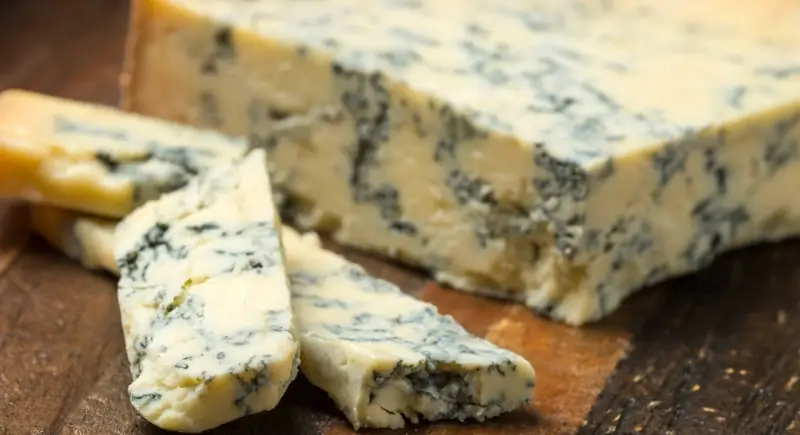
In much of Europe, blue cheeses carry prestige. Roquefort, Stilton, and Gorgonzola show up on cheese boards, in sauces, and at family tables without a second thought. In the U.S., the reaction is uneven. Some diners love the sharp bite, others can’t get past the smell, and the divide is wide enough that it rarely feels neutral.
Tripe
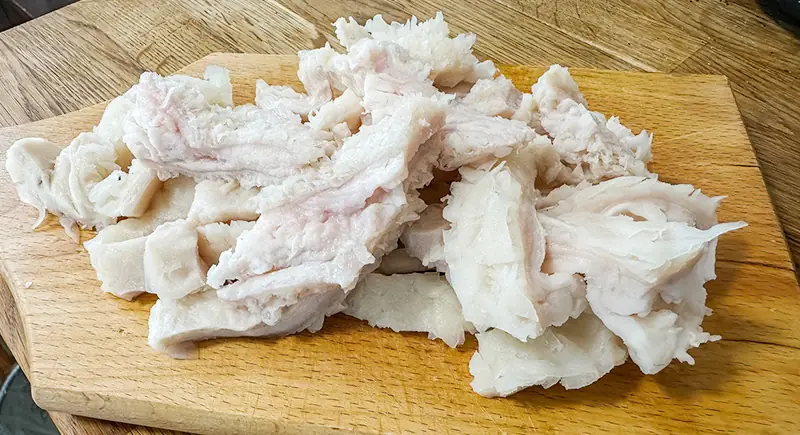
Tripe—stomach lining from cows—is treated with respect in many Italian cities, especially Florence. Locals use it in street sandwiches, slow-cooked with herbs and tomato. The U.S. perspective is entirely different. Tripe is seen as chewy, weird, and best avoided unless it’s part of a dare.
Escargot
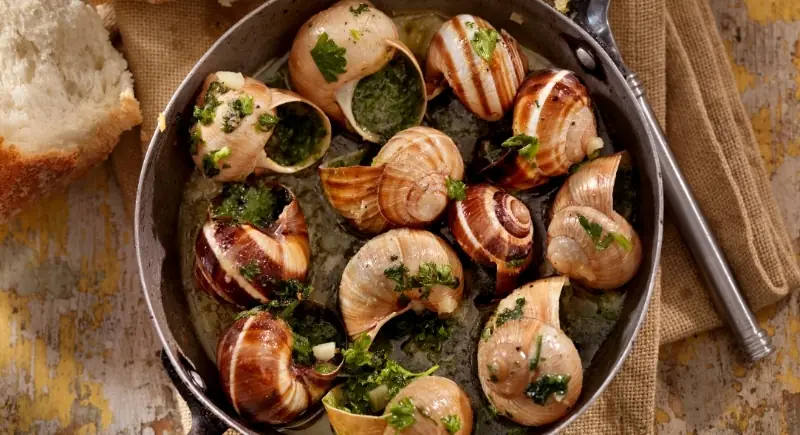
Frozen escargot, pre-stuffed with garlic butter, is a standard product in French grocery stores. Even kids eat them without flinching. In the U.S., though, snails carry baggage. They’re linked to fine dining, fear of texture, and the visual of garden pests. The taste—mild and earthy—rarely gets a fair shot.
Sweetbreads
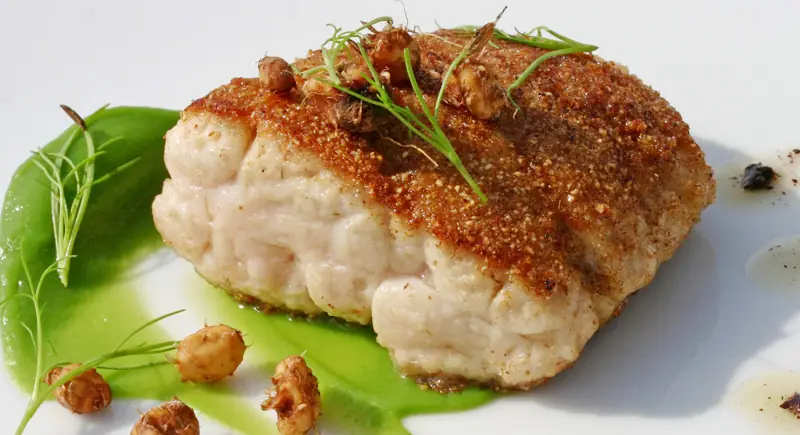
The name suggests dessert, but the reality is organ meat, usually from the thymus or pancreas. In Europe, that’s not a deterrent; sweetbreads are prized, cooked simply in a pan or on the grill, and served in both restaurants and homes. In the U.S., the disconnect between name and reality keeps them off most menus.
Octopus
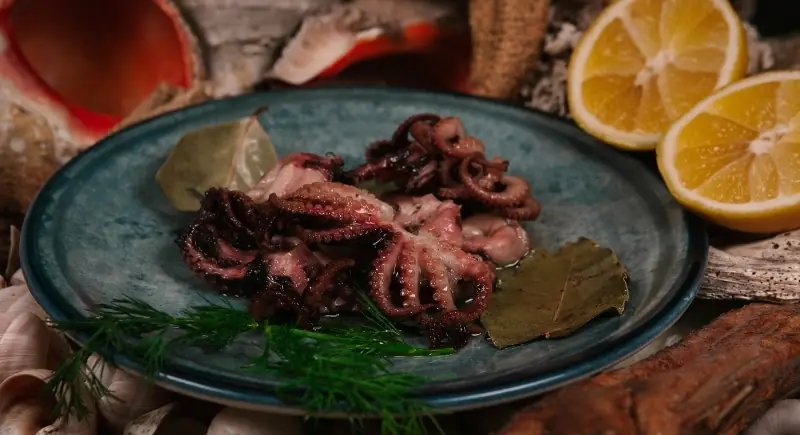
In coastal Greece, octopus is grilled outdoors and often served with olive oil and lemon. Americans only encounter it at upscale restaurants, often unsure how to handle the tentacles. Its texture is a barrier for many U.S. diners, who default to more familiar seafood like shrimp or salmon.
Sardines
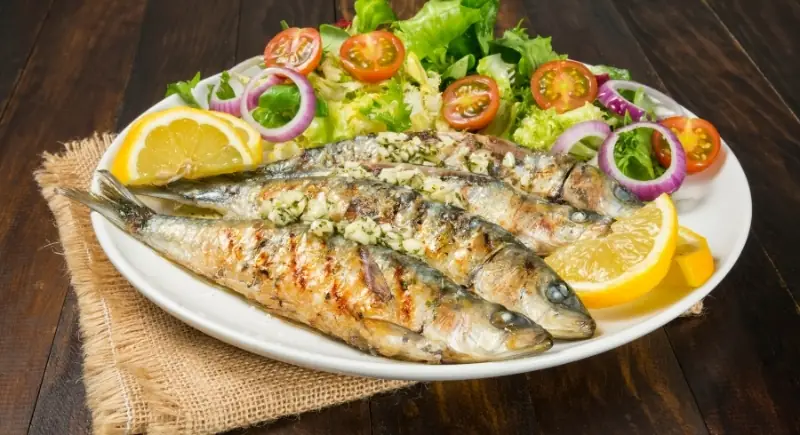
In Spain, sardines are part of daily life—grilled over open flames, preserved in olive oil, or spread on bread. They’re celebrated as essential but straightforward coastal food. In the U.S., they rarely get that respect. Most people only know the canned variety, and the strong smell and slick texture keep them at arm’s length.