Growing up in poverty leaves marks on more than just the wallet; it shapes the way people approach food well into adulthood. Researchers and everyday experiences show that childhood scarcity influences habits, cravings, and even body cues. Here’s a look at some common eating patterns linked to growing up without much money.
Eating Even When Not Hungry
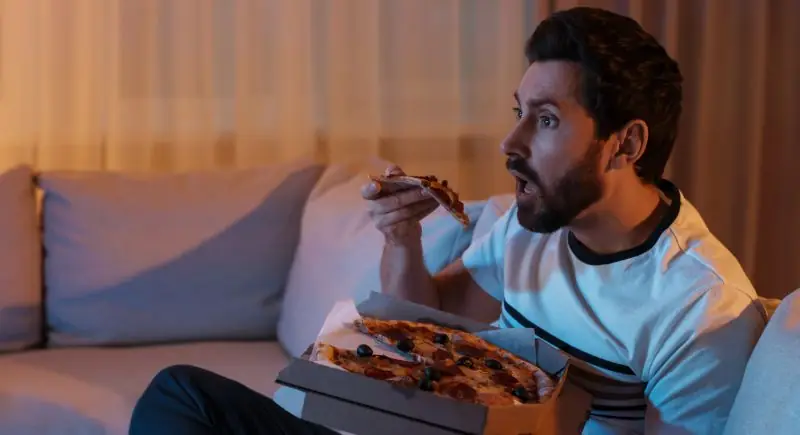
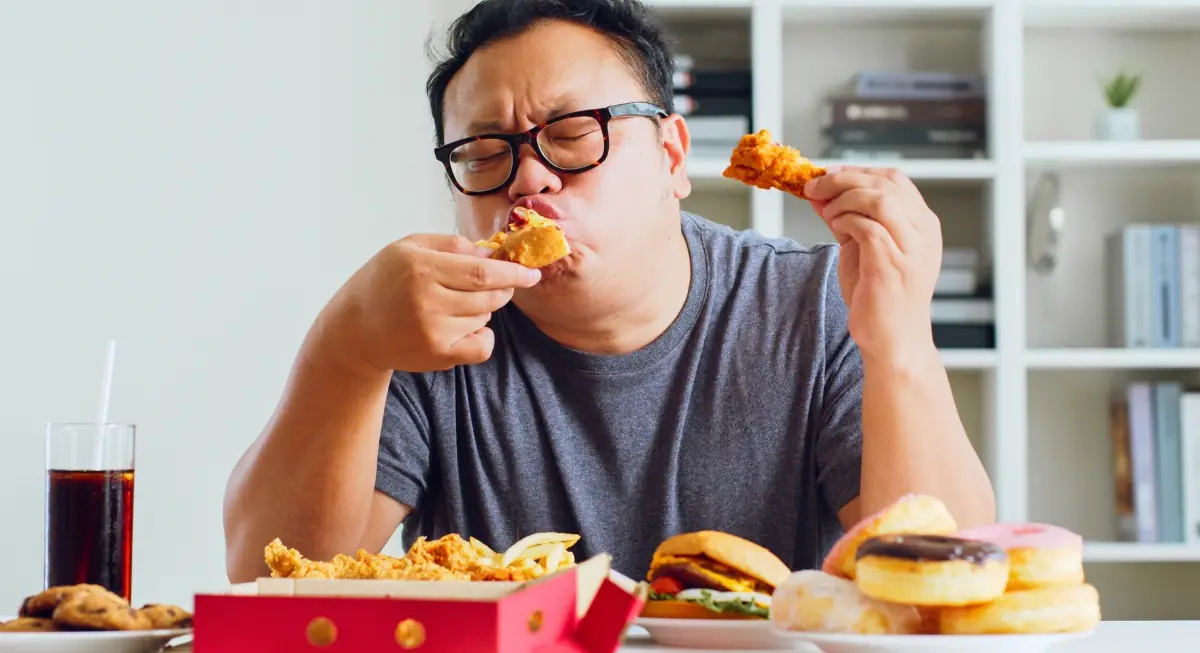
When food isn’t guaranteed, the instinct becomes simple: eat while it’s there. Studies led by Sarah Hill at Texas Christian University showed that adults who grew up in poverty snacked heavily, even after being given calorie-rich drinks. Their bodies ignored the “full” signal.
Junk Food Becomes Normal

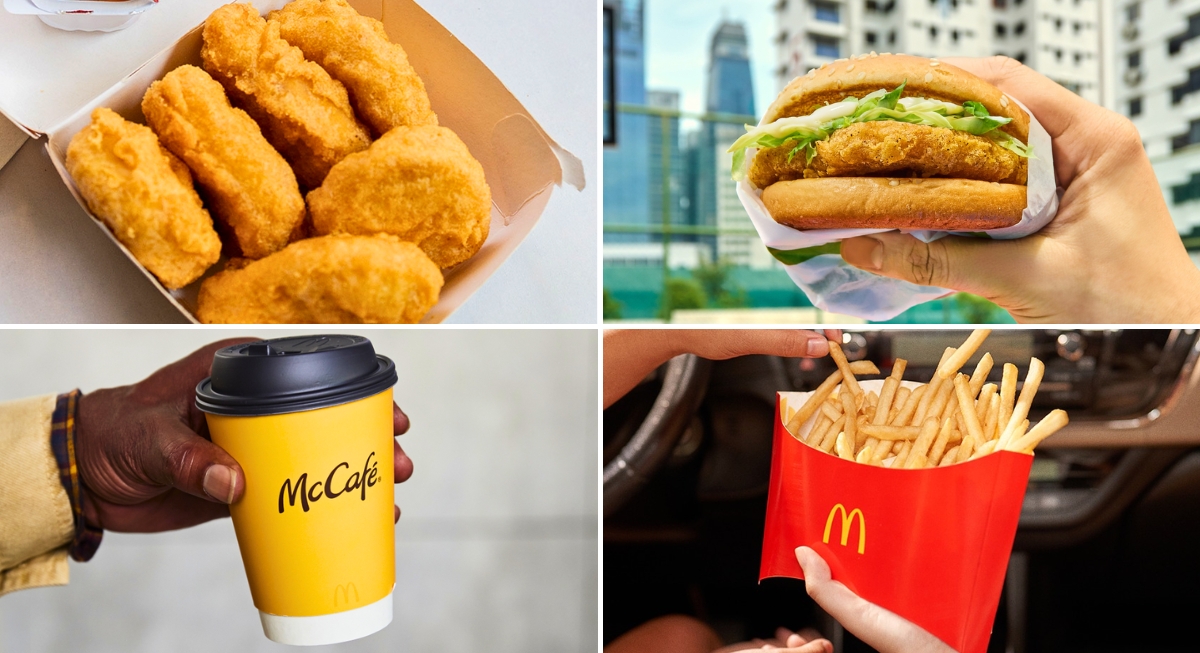
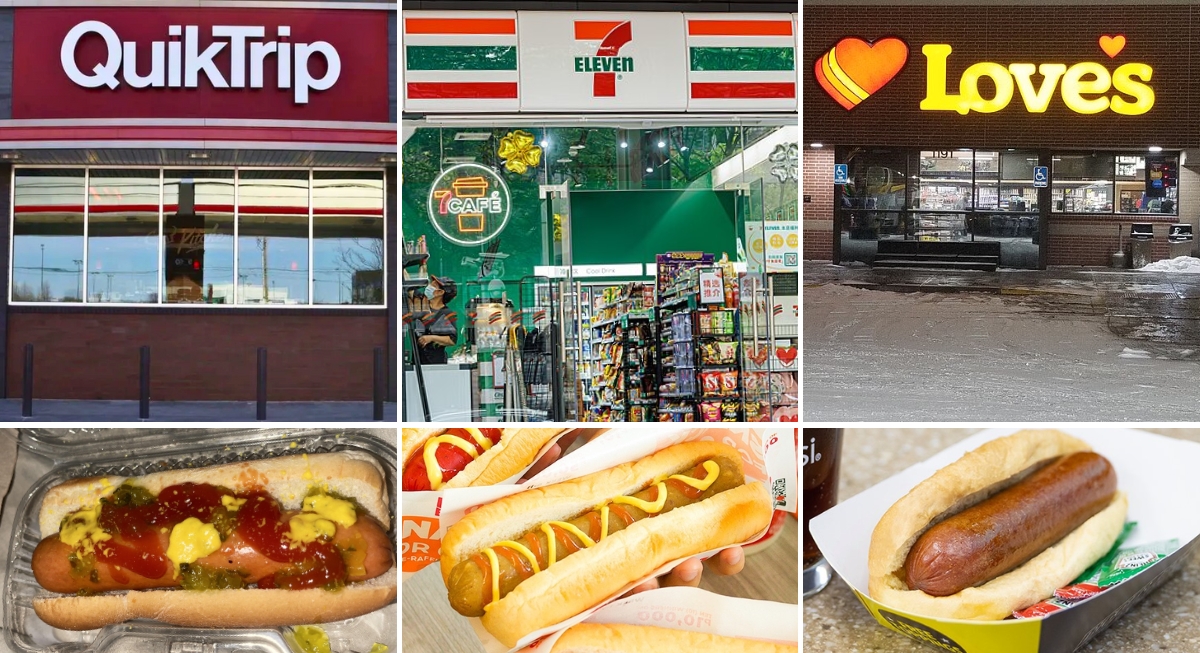
Fast food chains and convenience snacks tend to fill the gaps when money and time run short. Chips and candies become everyday staples rather than occasional treats. They are cheap and can be found almost everywhere.
Preference For Sweet Drinks

Sugar-sweetened beverages often replace healthier choices in lower-income homes. Soda and fruit punches cost less than milk or fresh juice, and they feel filling even without nutrients. In experiments, participants who had been raised poor drank a sugary soda yet still ate as though it had no calories.
Packaged Snacks Over Fresh Foods
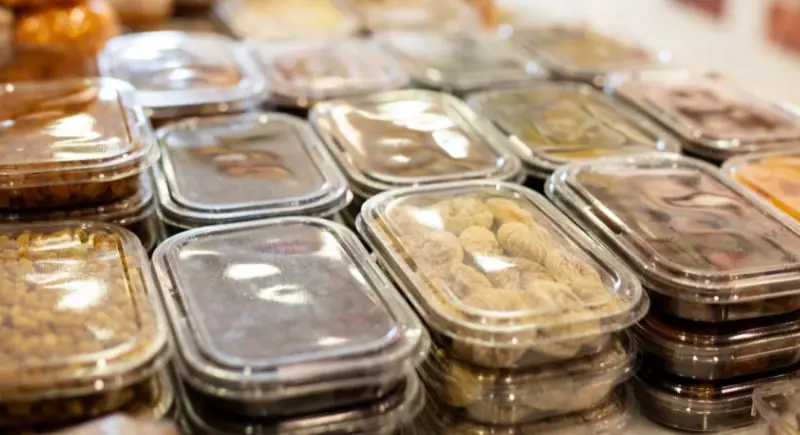
When budgets are tight, shelf life matters. Cookies, chips, and instant noodles last longer than fresh vegetables, so households facing scarcity lean heavily on them. Over time, this reliance creates taste preferences that carry forward. Nutrition researchers link these early habits to lifelong cravings for salty, crunchy snacks.
Clearing The Plate
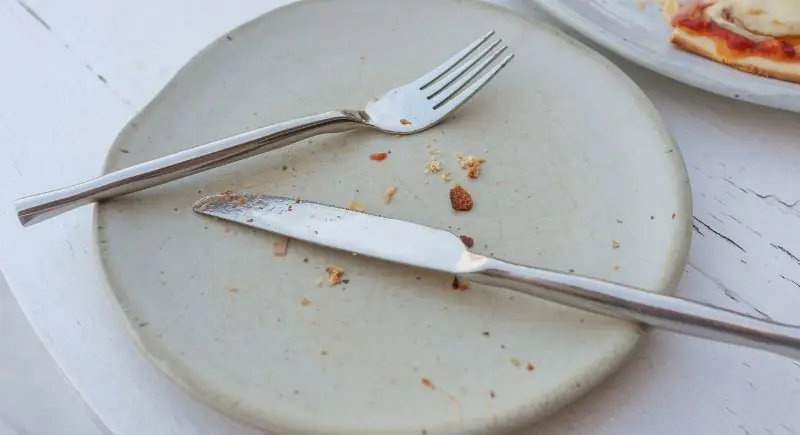
Many who grew up poor were taught not to waste a single bite. The “clean your plate” rule was survival, rather than discipline. As adults, that mindset often shows up at restaurants or home dinners, where finishing everything becomes automatic, even if the body has had enough.
Overeating When Food Is Available
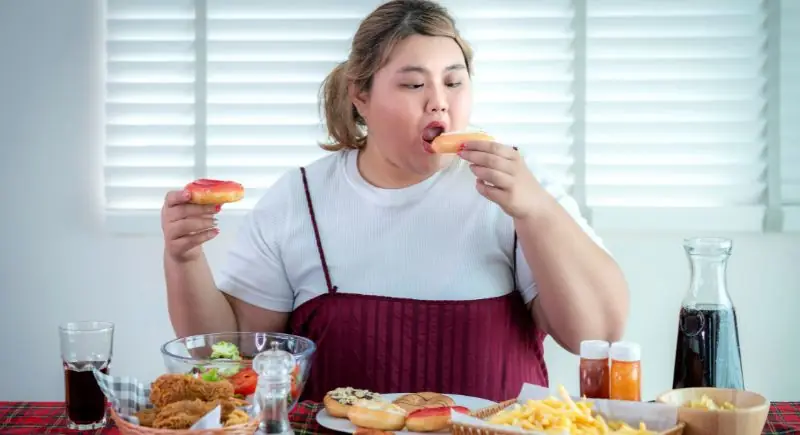
Scarcity trains people to stock up when food appears, a habit that can lead to binge eating. Researchers describe it as a survival instinct—the idea that tomorrow may not bring another meal, so today’s food must be consumed fully.
Cheap Carbs As Staples
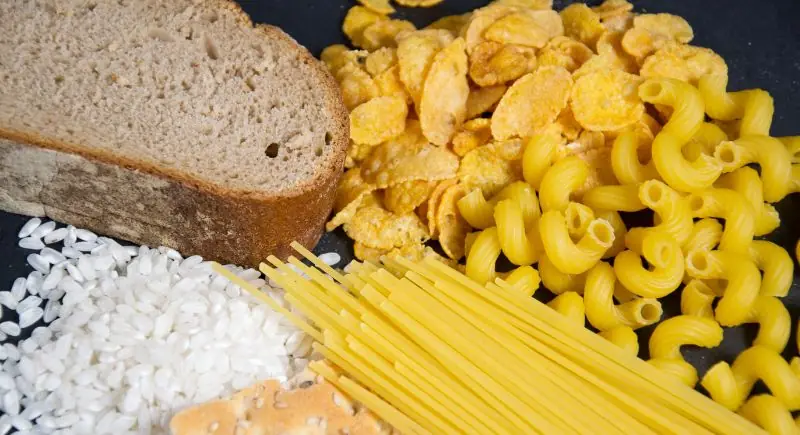
Meals built around bread, rice, or pasta are common in low-income households because they’re inexpensive and filling. Carbohydrates stretch further than meat or produce, so they become the centerpiece of dinner. As adults, many still default to carb-heavy dishes when money feels tight.
Emotional Tie To Fast Food

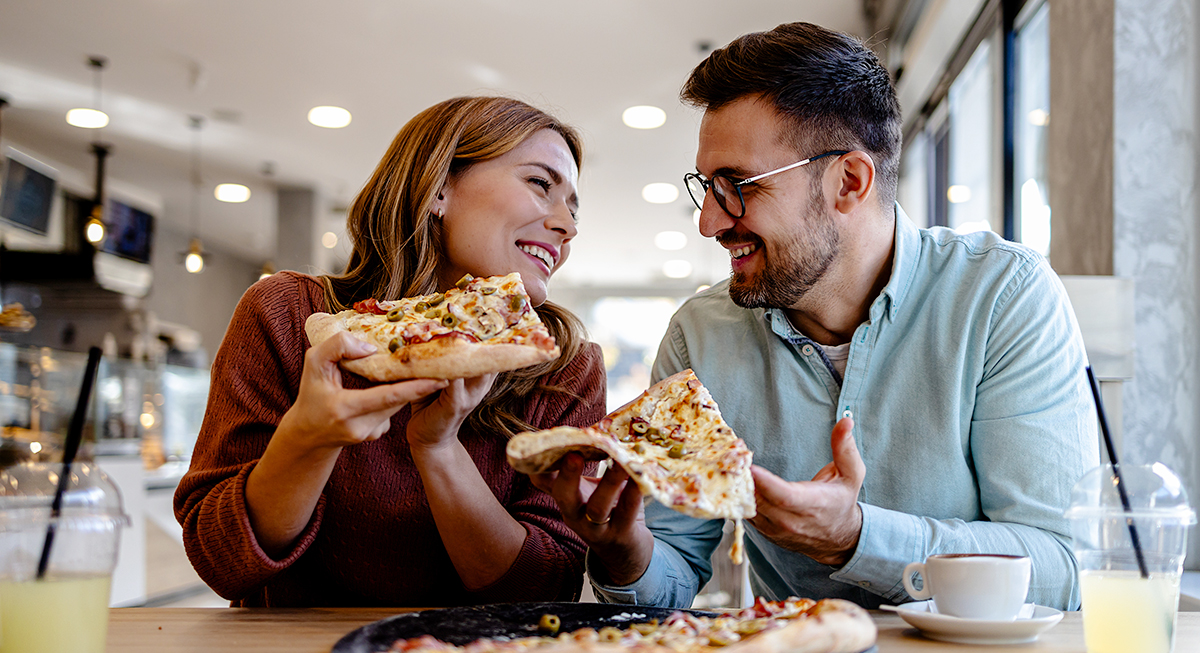
Psychologists point out that poor children often associate fast food with joy. A happy meal, buffet outing, or cheap pizza night might have marked celebrations or rare family treats. Those moments create emotional connections stronger than nutrition labels.
Learning To Eat Fast
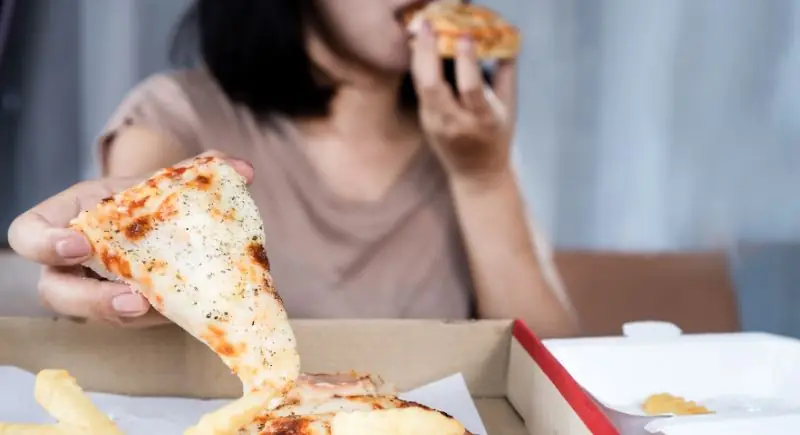
Eating quickly became a way to make sure no one else took the last drumstick or scoop of rice. That habit often follows children into adulthood. Many who grew up poor still eat at a speed that doesn’t allow the body to catch up, which scientists say contributes to overeating.
Resistance To Healthy Eating

Many people who grew up poor feel unnatural about swapping cheap meals for fresh produce in adulthood. Vegetables and fruits may seem like chores rather than staples. Dieticians working with patients point out that habits built around convenience foods—fast meals, carb-heavy recipes, frozen pizzas—don’t fade easily.
Stretching Leftovers Creatively
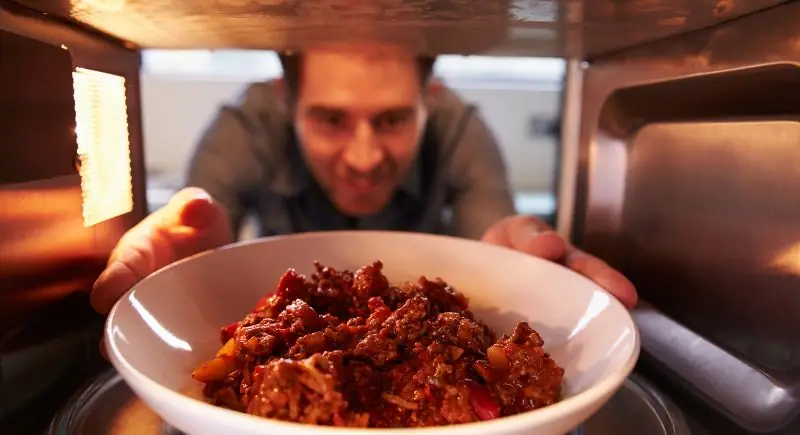
Making food last longer is an art in poor households. Yesterday’s roast chicken becomes today’s soup, and cooked rice might turn into fried rice the next night. People who are poor know dozens of ways to stretch meals without wasting anything.
Treat Nights With Buffets
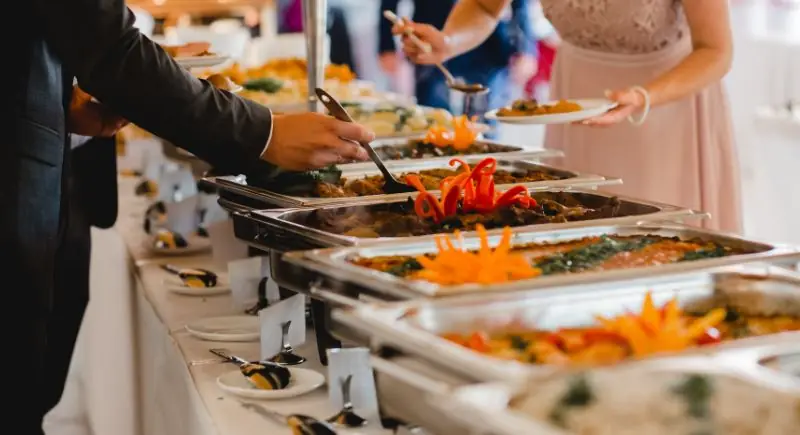
For some families, a trip to the buffet was one of the few chances to eat without limits. The memory of those nights—piling food high and tasting everything—sticks with many into adulthood. That early sense of “take as much as you can” often lingers, shaping how they approach big meals later in life.
Stocking Up On Sales

Discount bins and “buy one, get one free” deals shape lifelong shopping habits. Growing up poor means grabbing bargains whenever possible, even if the pantry already has plenty. This mindset often lingers and leads adults to buy extra snacks or bulk items simply because they’re discounted.
Making Do With Condiments

When money was tight, sauces often stretched a meal further than the food itself. A squeeze of ketchup could dress up rice, and soy sauce turned plain noodles into something that felt complete. Many who grew up that way still reach for condiments first, sometimes piling them on heavier than others might.
Carrying Habits Into The Next Generation

Parents who grew up poor often unconsciously pass along their food habits. Teaching children to always finish their plates, prioritizing cheap, filling meals, or grabbing fast food when time is short becomes second nature. Nutritionists argue this creates cycles where kids learn the same behaviors their parents picked up.