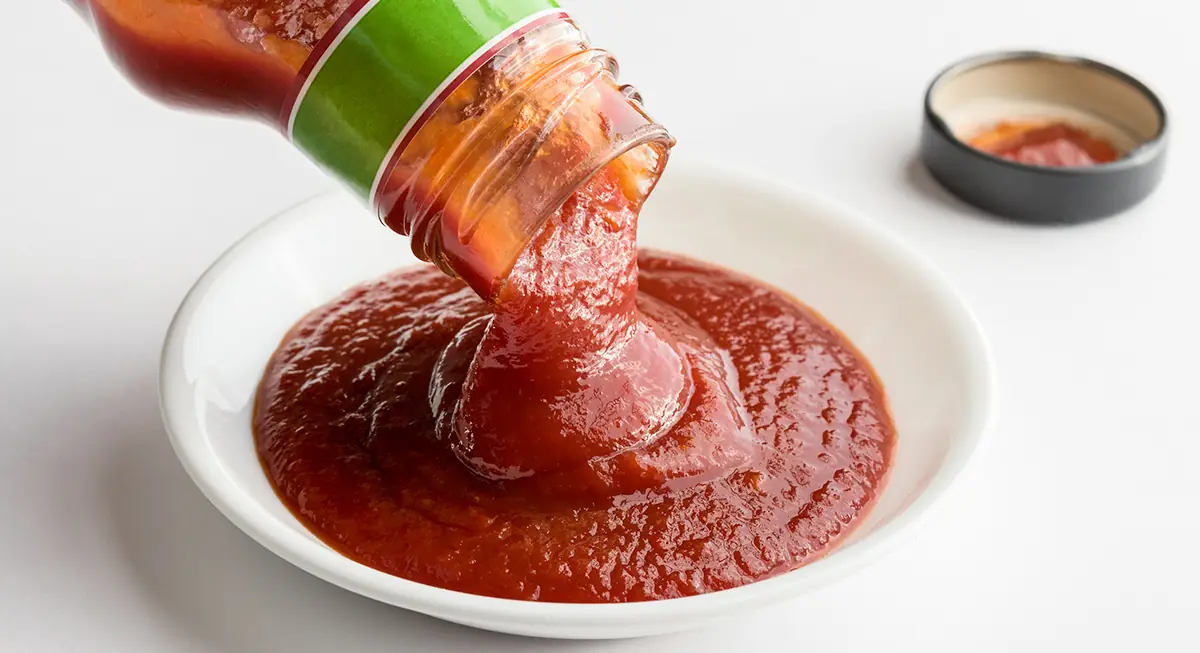
Ketchup’s slow movement in a glass bottle has puzzled people since manufacturers introduced the containers in the late 1800s. The first tilt often produces no result, while the next attempt can release a sudden rush.
Food engineers and physicists have studied this issue for years. Their findings suggest that the internal structure of ketchup, rather than its appearance, is the key to why it distinctly responds to force, and that response affects every attempt to pour it onto a plate.
A Sauce That Functions Like A Soft Solid
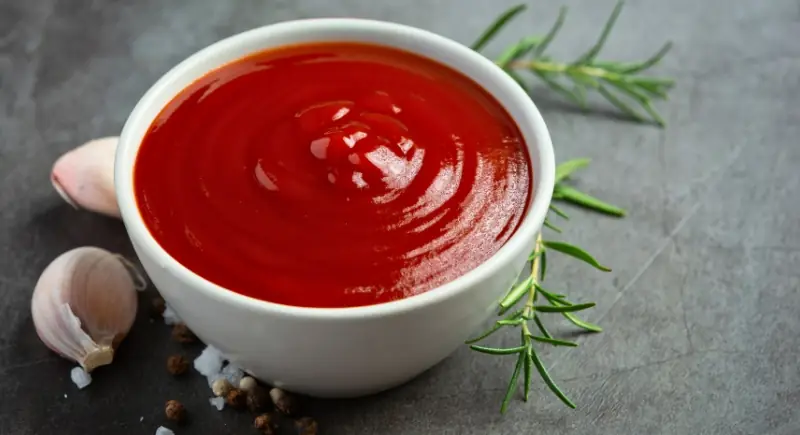
Ketchup looks fluid, but it stays in place until enough force breaks its internal structure. Experts classify it as a yield-stress fluid because it maintains its shape until pressure exceeds a defined threshold.
Pulverized tomato particles suspended in liquid form a network that resists movement. This structure explains the inconsistent flow. A slight tilt does not apply enough energy to break that network. A firmer tap disrupts it, which lowers the sauce’s thickness once it begins to move.
Scientists refer to this drop in thickness as shear thinning, which causes ketchup to switch quickly from resisting movement to flowing freely after the threshold is reached.
Why A Glass Bottle Makes Pouring Difficult
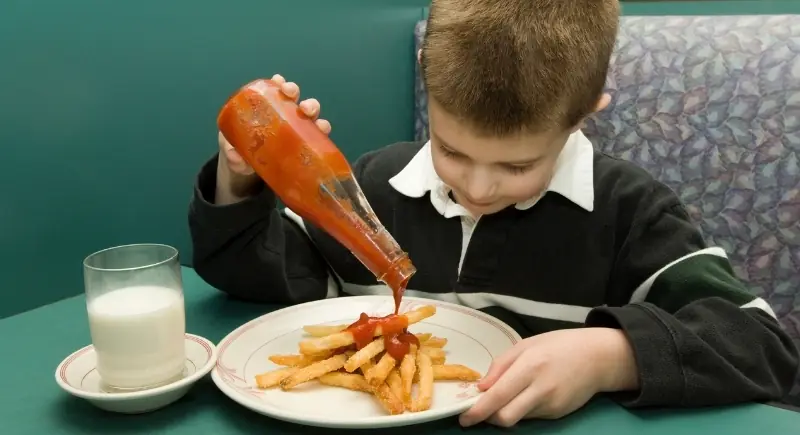
Heinz adopted glass bottles in 1876, which allowed customers to see the contents of the product. While this created transparency, the pairing of a narrow opening with ketchup’s internal particle network made controlled pouring more challenging.
A full bottle provides more downward force, which helps overcome the sauce’s resistance. But a bottle with only a small amount left contains less weight, so gravity contributes less. This outcome aligns with the behavior of non-Newtonian fluids, which do not flow predictably like standard liquids such as water.
A Practical, Science-Supported Method
Researchers in fluid mechanics recommend a straightforward routine for reducing splatter. First, shake the bottle with the lid securely in place. This action re-mixes particles, breaks up any settled areas, and clears dried residue near the neck.
Next, momentum assists the process. Turning an almost-empty bottle upside down and snapping it downward encourages the contents to move toward the opening. After the ketchup collects near the top, tilt the bottle to about 45 degrees and apply short, controlled taps.
Why Many Bottles Eventually Changed
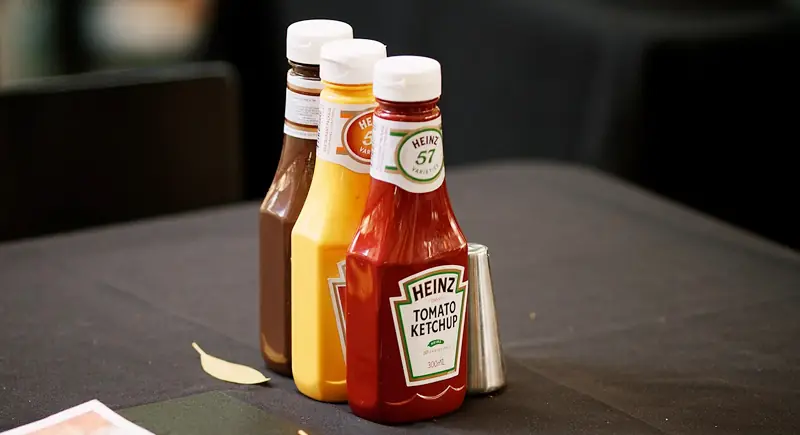
After decades of seeing customers struggle with glass containers, Heinz introduced squeezable plastic bottles in the early 1980s. Squeezing applies consistent pressure, which breaks the internal structure more predictably.
Even with more convenient options available, glass bottles remain popular in restaurants and diners. Presentation preferences and brand tradition keep them in circulation, and the shake-and-tap method remains part of the experience.