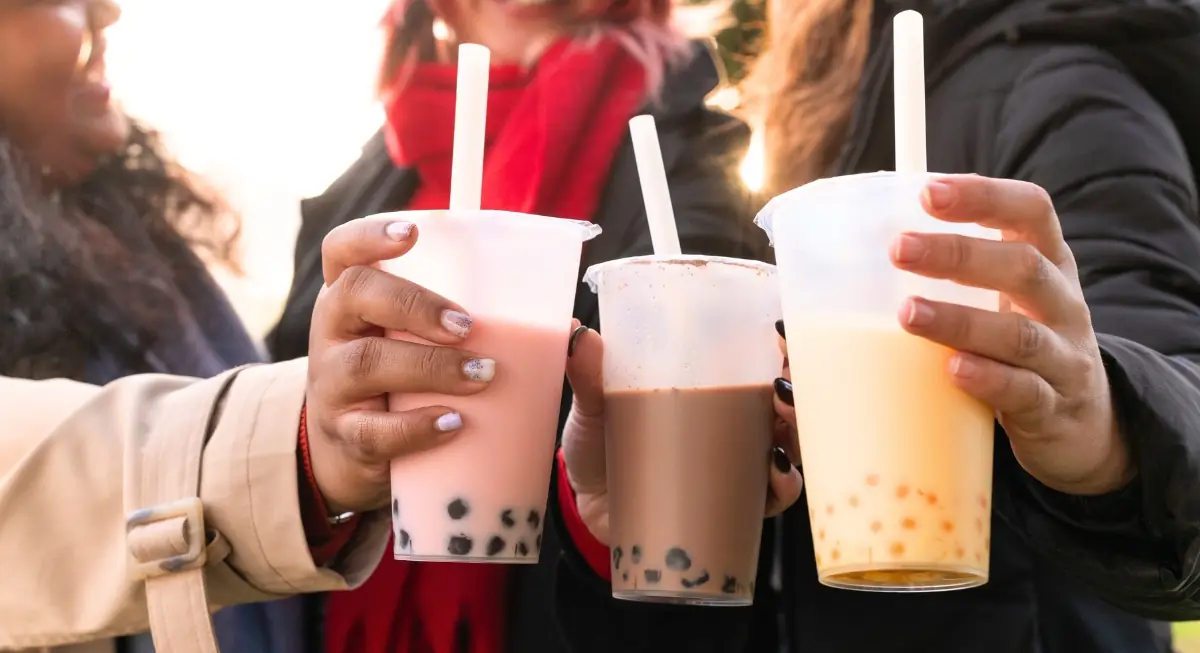
Boba took shape in Taiwan during the 1980s, following developments at Hanlin Tea Room and Chun Shui Tang. It was a time when tea already played a central role in daily life. Cold tea was the first shift. Shaking tea in cocktail shakers added foam and texture, pulling inspiration from Chang Fan Shu’s izakaya (Japanese pub). It reframed tea as something playful and casual, closer to a treat than a ritual.
Tapioca pearls arrived soon after, borrowed straight from familiar Taiwanese desserts. The chew surprised people. The texture turned sipping into an experience and created curiosity among younger customers. The drink gained momentum through repeat visits and word of mouth.
Visual Appeal Took Over the Internet
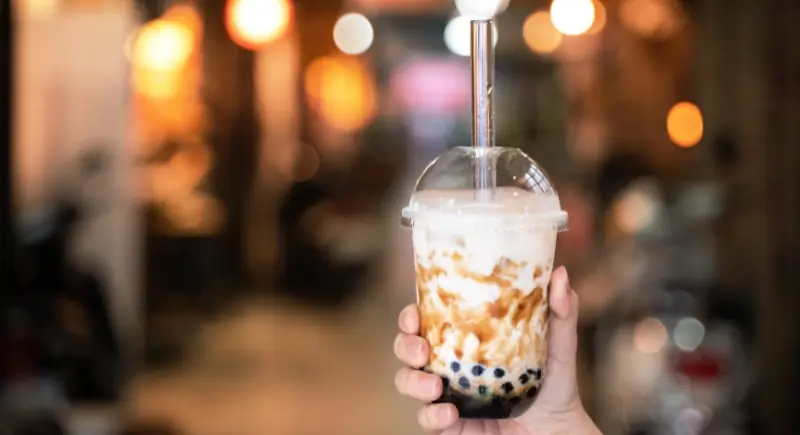
By the mid-2010s, boba had something few drinks could match. It photographed well. Brown sugar milk tea with fresh milk created natural marbling. Layered fruit teas showed color without food dye. Social platforms rewarded that look with free exposure.
Limited runs, clear cups, sealed lids, and branded sleeves all pushed shareability. Platforms like Instagram and TikTok did not invent boba’s popularity, but they multiplied it.
Customization Changed the Relationship
Boba also scaled because it handed control to the customer long before personalization became a buzzword. Sweetness levels, ice levels, milk choices, and toppings allowed each order to feel personal. The flexibility helped the drink fit different palates without losing its identity.
Franchising Turned Curiosity Into Scale
View this post on Instagram A post shared by Chatime (@chatime_global)
Once demand emerged, boba spread rapidly because the business model was well-suited. Recipes could be standardized easily, ingredients could be shipped in bulk, and training required clear, step-by-step procedures. Chains expanded across Asia, then into North America and Europe, often through neighborhoods already familiar with the drink.
Bubble tea orders in Southeast Asia surged dramatically during the late 2010s, and major chains expanded to thousands of locations worldwide. The drink moved beyond specialty status and became an integral part of everyday routines, including malls, transit hubs, and college campuses.
Boba survived trend fatigue by adapting without losing its core. Health-focused versions reduced sugar, plant-based milks widened appeal, and toppings like cheese foam, fruit jellies, and popping boba refreshed menus without alienating loyal fans. Even sustainability entered the picture as cities began regulating plastic use, forcing shops to rethink packaging.
At its center, the drink still relies on tea. The foundation keeps it familiar while everything around it evolves.