Trader Joe’s makes it surprisingly easy to fill your cart without feeling the pinch. The produce and other everyday basics come in at a lower price than most big-name stores. It feels like you’re getting more for less, and there’s a smart system behind it all that keeps costs down without sacrificing quality.
Private-Label Majority
Trader Joe’s sells about 80-85% of its products under its own brands. This strategy cuts out national brand middlemen and allows them to negotiate directly with suppliers. They set prices significantly lower than name-brand items because they control the entire process from sourcing to shelf.
No Slotting Fees
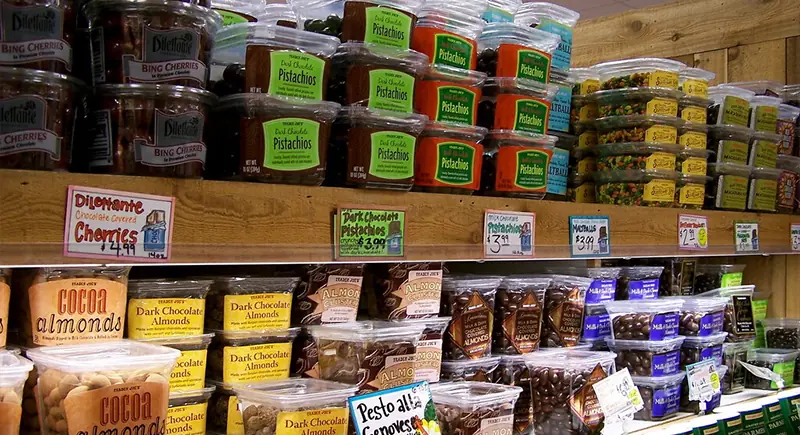
Unlike most grocery chains, Trader Joe’s doesn’t charge suppliers for prime shelf space. This avoids tens of thousands in hidden costs per product, which other stores often pass on to customers. By skipping these fees, Trader Joe’s maintains fairer prices and builds customer trust through transparency rather than costly placements.
Compact Store Design
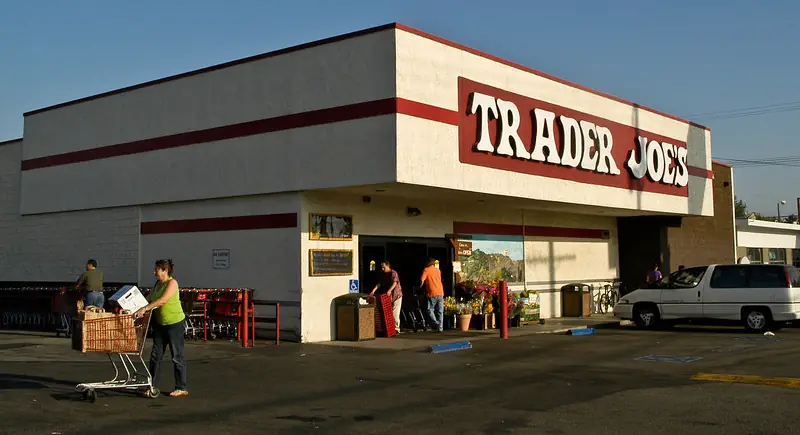
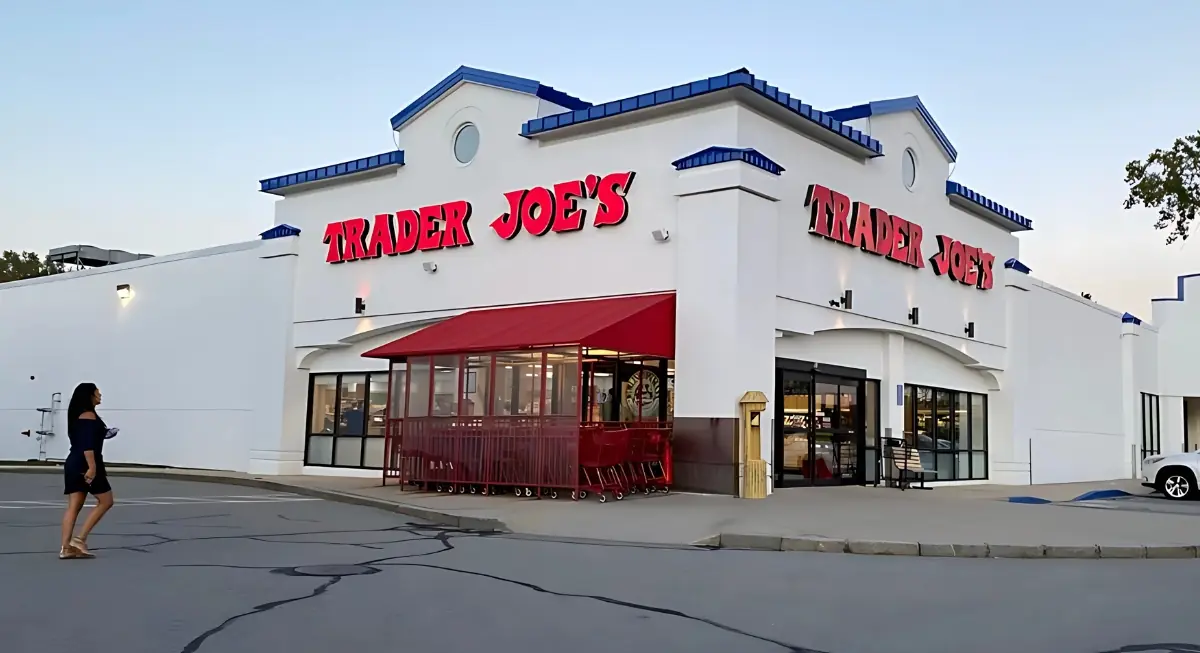
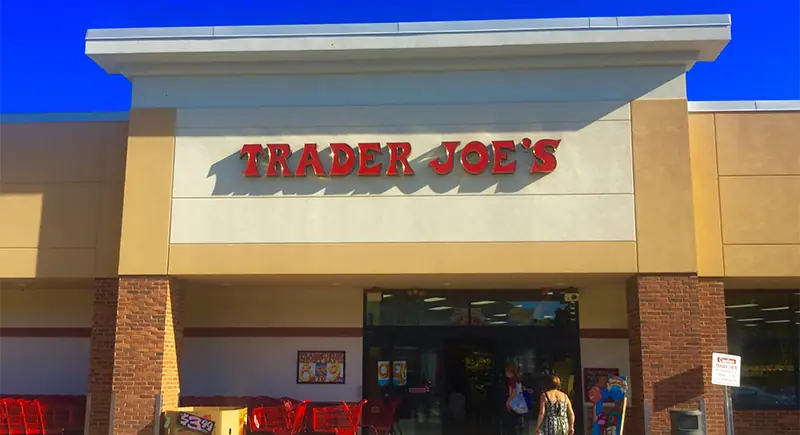
Most Trader Joe’s stores are significantly smaller than typical supermarkets, usually 10,000 to 15,000 square feet. This compact layout saves big on rent, utilities, and general upkeep. These operational efficiencies translate directly into lower product pricing.
Streamlined Staffing
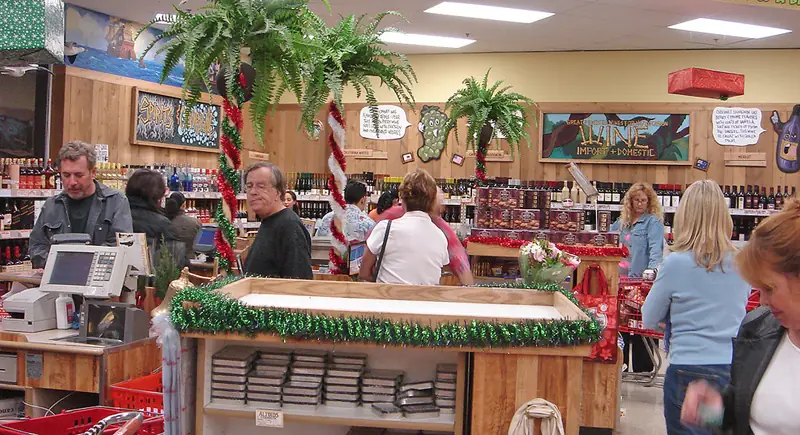
Trader Joe’s keeps staffing lean by not having in-store butchers, bakers, or delis. Instead, employees are cross-trained for multiple tasks. This efficient labor model significantly reduces payroll expenses.
Focused Inventory
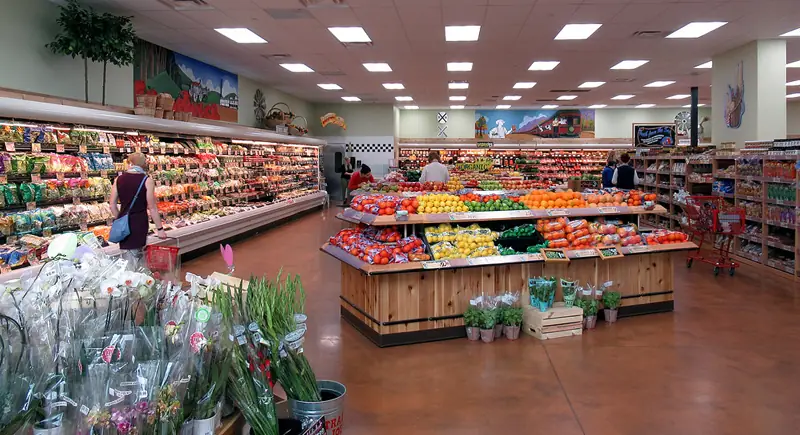
With only about 4,000 unique products, Trader Joe’s offers a highly curated selection, unlike typical grocery stores carrying 50,000 or more. This focused inventory means faster product turnover and less unsold stock.
Bulk Purchasing Strength
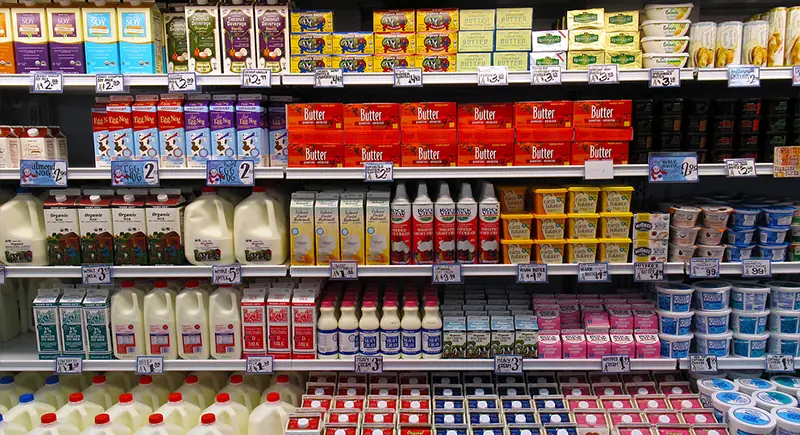
By carrying fewer product variations, Trader Joe’s can place massive orders for specific items and thus secure significant volume discounts from suppliers. These economies of scale reduce the per-unit cost of products.
Efficient Supply Chain
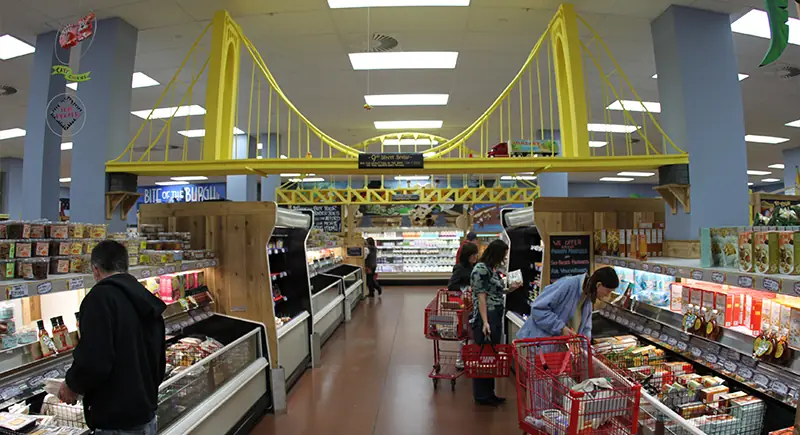
Trader Joe’s uses a direct supply chain: products move from suppliers to central distribution centers, then straight to stores. This bypasses extra distributor layers, reduces waste, and simplifies logistics.
Dynamic Pricing Model
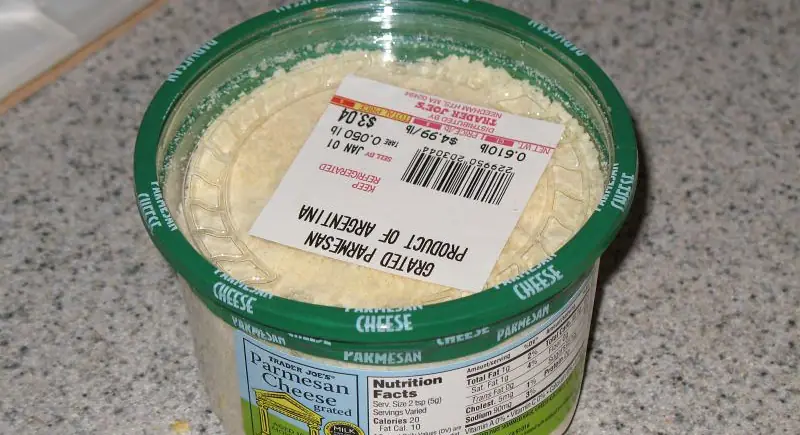
Trader Joe’s reacts quickly when their input costs drop by lowering shelf prices almost immediately. This isn’t a common practice among all retailers. Their agile pricing strategy ensures that any savings they secure from suppliers are promptly passed on to customers.
Light Marketing Approach
You won’t see Trader Joe’s spending on Super Bowl ads or huge influencer campaigns. They rely heavily on word-of-mouth and their unique, quirky in-store experience. By skipping expensive ad agencies, they keep overhead low and prices friendly.
Fearless Flyer Newsletter

Their distinctive “Fearless Flyer” newsletter is a key marketing tool. It uses a playful tone to introduce new products and offer tips. Compared to traditional advertising, it’s inexpensive to produce and generates excitement organically.
In-Store Sampling Culture
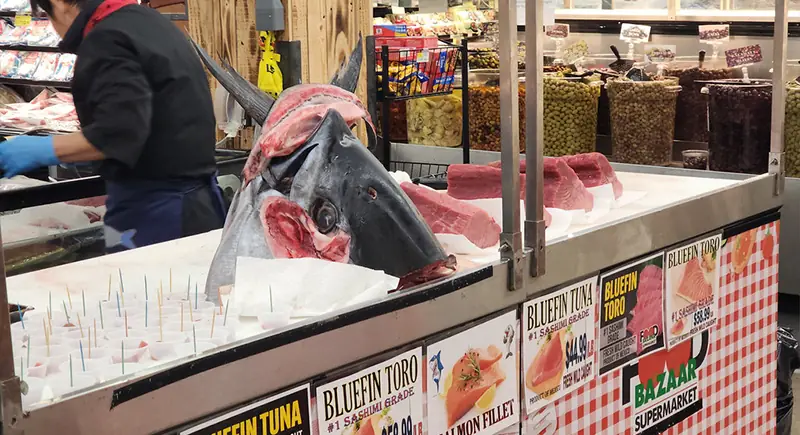
Trader Joe’s encourages customers to try products through regular in-store tasting stations. This interactive approach helps drive sales naturally, without needing expensive advertising campaigns. It also builds brand loyalty and encourages purchases.
Minimalist Store Aesthetics
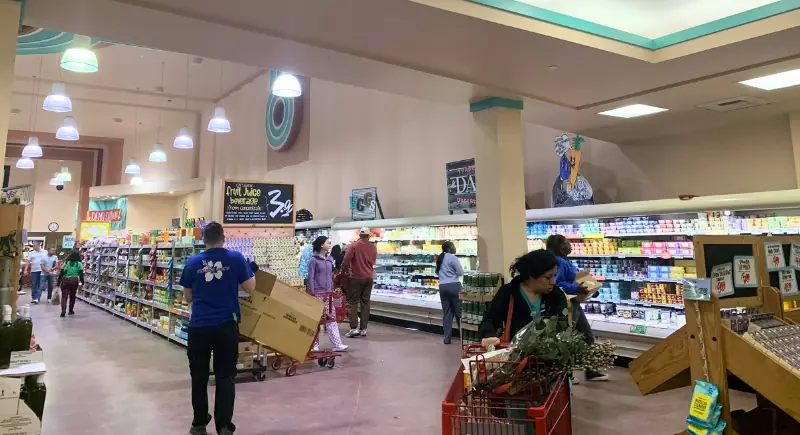
Trader Joe’s stores feature simple decor, energy-efficient lighting, and products often displayed directly in their shipping boxes. This no-frills approach avoids expensive fixtures and excessive design costs. The minimalist look is a budget-friendly decision.
Global Sourcing Network
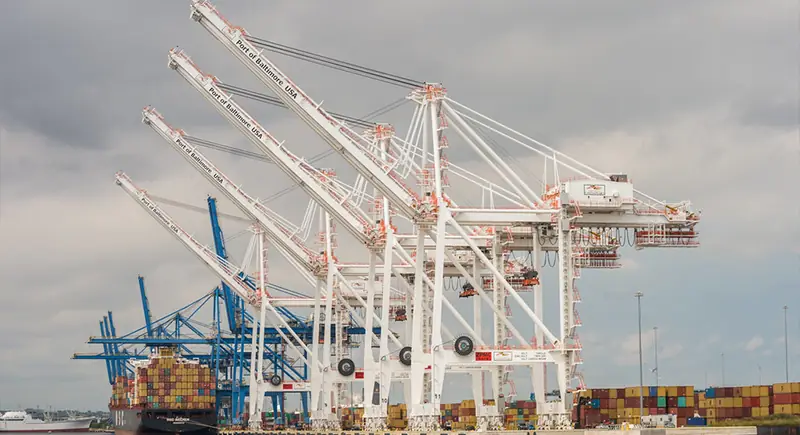
Trader Joe’s partners with producers worldwide by actively seeking out regions where production costs are lower. This global sourcing network allows them to secure competitive deals on a vast range of items, from specialty olive oils to frozen organic fruits.
Anonymous Supplier Model

Trader Joe’s keeps the identities of its suppliers confidential. This anonymity fosters intense price competition among producers, as they can’t rely on brand recognition for sales. Suppliers bid harder on quality and cost, knowing their product will be sold under the Trader Joe’s label.
Quality-First Vetting
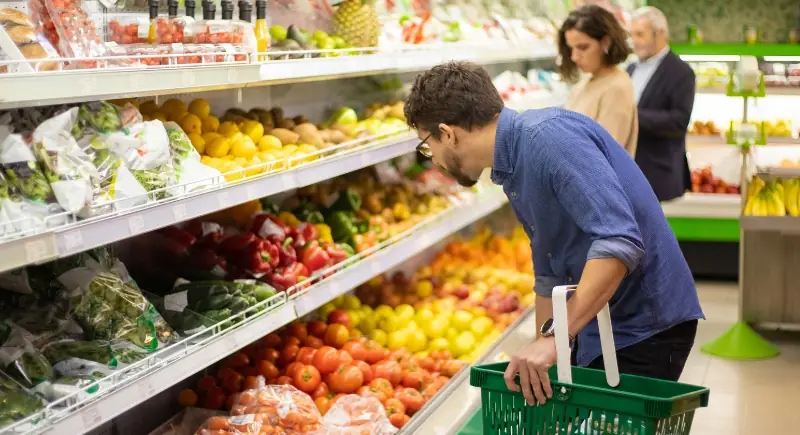
Every potential new product at Trader Joe’s undergoes rigorous internal tasting panels. If an item doesn’t meet their strict quality and taste standards, it simply doesn’t make it to the shelves. This meticulous vetting process ensures they only stock fast-selling, high-quality items while avoiding waste and optimizing valuable shelf space.
A Limited Produce Selection Cuts Waste
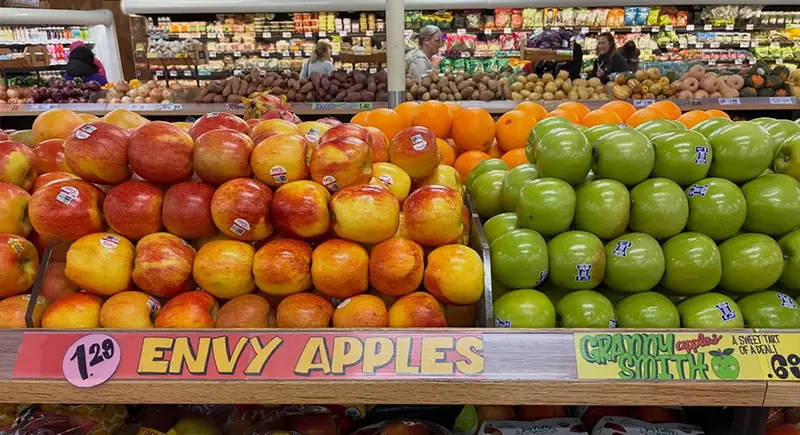
Walk into Trader Joe’s looking for ten kinds of apples and you may leave with two choices instead. That is part of the plan. Fewer produce items mean fewer boxes sitting in back rooms waiting to be sold. Less gets thrown away. Those savings help keep prices from climbing.
Seasonal Buying Keeps Costs Down
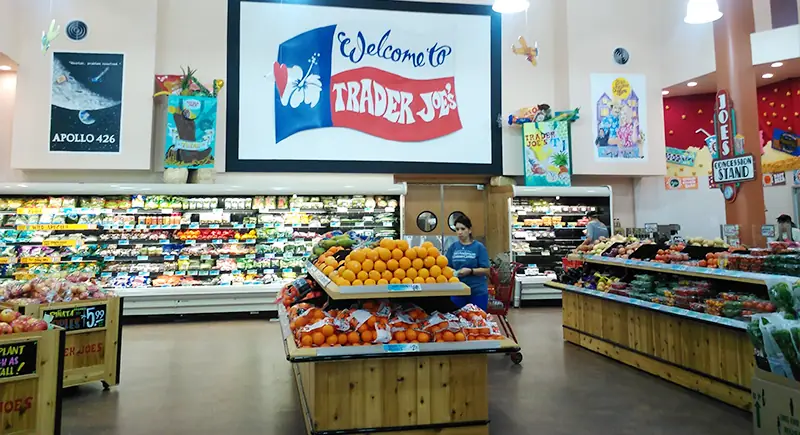
Strawberries taste different when they are in season, and Trader Joe’s leans into that reality. Instead of chasing every fruit and vegetable year-round, the company buys more of what farms are harvesting at the time. Bigger seasonal orders can mean lower costs, which show up on shelf tags.