The Trump administration surprised shoppers, chefs, and grocery chains by easing tariffs on a long list of everyday imports. The move is intended to mitigate rising food prices, but it also impacts items Americans purchase frequently without much consideration for the global journey behind them. Here are some of the most notable foods now tariff-free.
Coffee
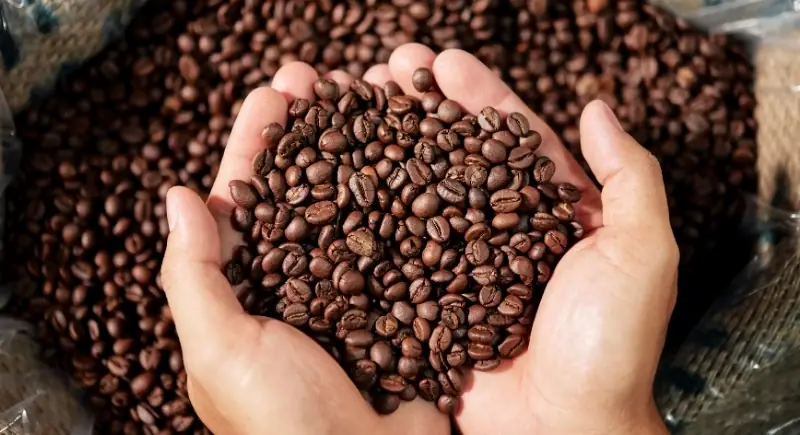
Coffee ranks among the biggest winners on the new exemption list. Most beans come from Latin America and Africa, so domestic production cannot meet U.S. demand. Tariffs once added pressure to already rising prices, with roasted varieties up nearly 19 percent year over year. Lower duties aim to ease grocery costs and help coffee chains and roasters stabilize expenses as they deal with supply-chain swings and shifting harvest conditions worldwide.
Bananas
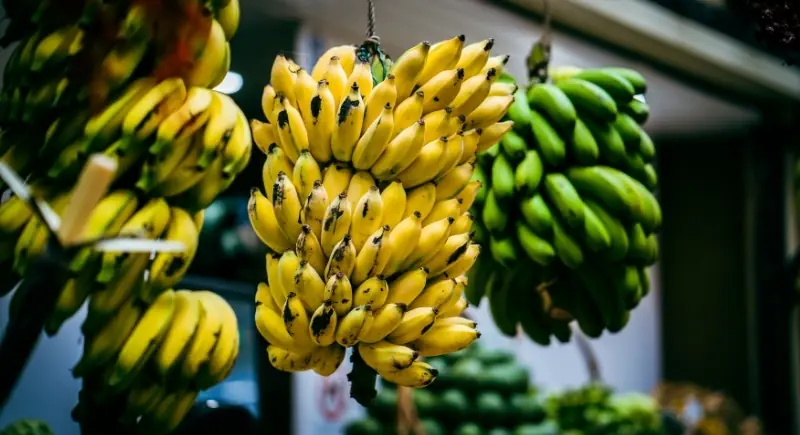
This fruit relies heavily on imports from Ecuador, Guatemala, and other tropical nations since the U.S. climate can’t support large-scale production. Banana prices climbed nearly 7 percent over the past year, partly because of transportation costs and the earlier tariff rules. The rollback also reflects the new trade arrangements the administration finalized with several Latin American partners, which are expected to make banana shipments into U.S. ports more efficient.
Beef Products
Although the United States is a major beef producer, cattle shortages in recent years pushed prices up sharply. Ground beef rose almost 13 percent, and steaks climbed close to 17 percent. By dropping tariffs on select imported cuts, the administration hopes to cool prices without disrupting ranchers too heavily. The exemptions include bone-in and boneless cuts, smoked or salted beef, and even corned varieties.
Tomatoes
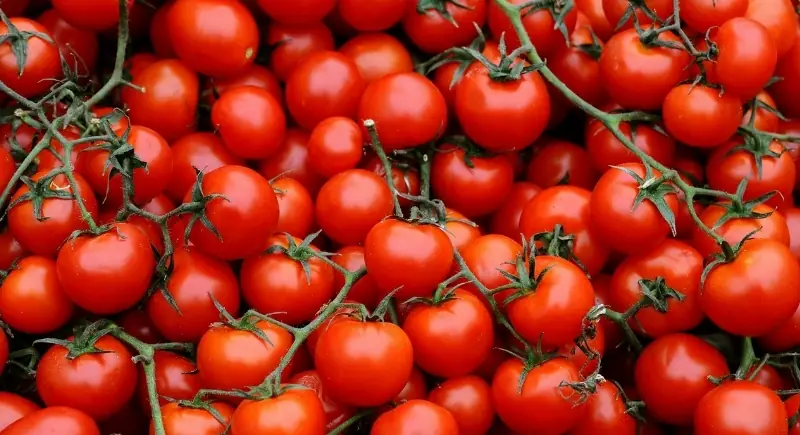
Tomatoes are central to so many American meals, yet U.S. growers still face seasonal gaps that make imports essential. Suppliers often turn to neighboring countries to cover those periods, but earlier tariffs raised the cost of bringing tomatoes in. With those fees now lifted, operators in restaurants and grocery chains get some financial relief at a time when customers increasingly expect fresh tomatoes in every season and growers face unpredictable weather patterns.
Cocoa
The backbone of chocolate production, cocoa beans, only grow in equatorial regions. Tariffs added strain to confectioners already dealing with fluctuating harvests in West Africa. Dropping the duties gives American candy makers and bakeries a chance to manage costs more efficiently.
Green Tea
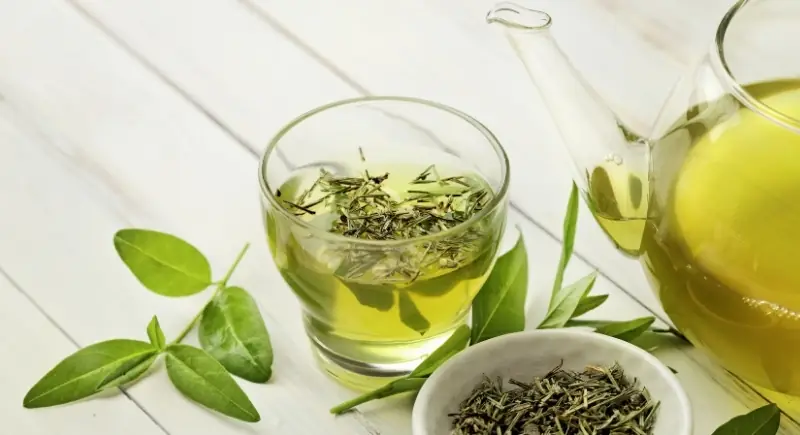
Green tea relies on imports from Asia, where specialized cultivation techniques shape flavor and quality. Removing the duties allows retailers to keep prices approachable for customers who enjoy daily tea rituals. Specialty shops that depend on steady access to Japanese and Chinese teas may also find more room to diversify their offerings without passing extra cost to shoppers.
Black Tea
Black tea takes a long trip before it reaches American mugs, with most of it grown in India, Sri Lanka, and Kenya. Tariffs had piled extra cost onto that journey, tightening margins for everyone from teabag makers to ready-to-drink bottlers. The recent rollback loosens things up. As U.S. tea drinking continues to gain traction, steadier import costs make it easier to keep prices from creeping upward.
Vanilla Beans
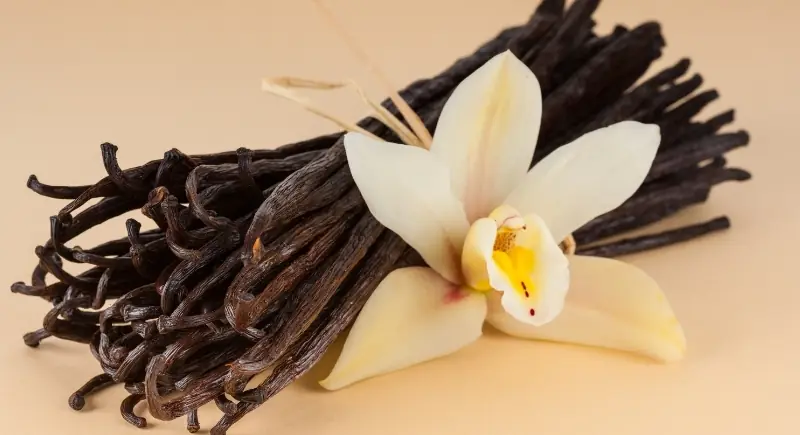
Madagascar’s vanilla industry already deals with storms, labor-intensive farming and fluctuating global prices. Tariffs added yet another hurdle for U.S. companies relying on the beans for extracts, syrups, and desserts. Rolling those duties back removes a meaningful chunk of expense. It won’t erase the spice’s reputation as one of the world’s priciest ingredients, but it should make it easier for manufacturers to keep vanilla-based products within reach.
Cinnamon
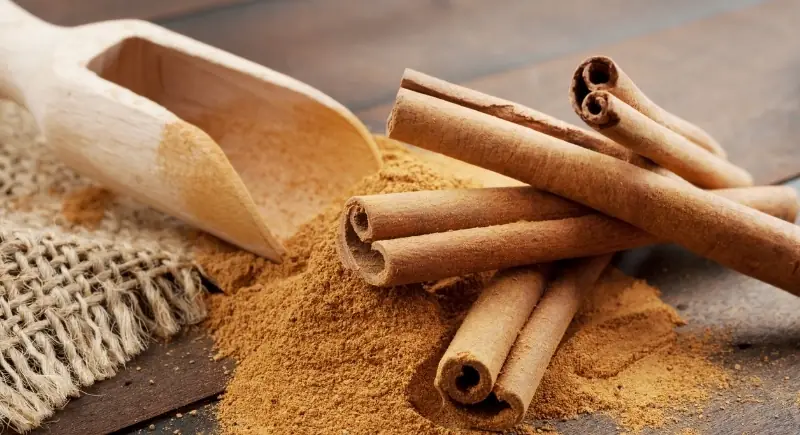
Cinnamon, sourced mainly from Sri Lanka and Indonesia, saw tariff pressure that affected baking companies and spice manufacturers. The rollback offers a smoother path for importers who must navigate long-distance shipping and variable harvests. Since cinnamon appears in everything from breakfast cereals to seasonal drinks, it also supports food manufacturers using large-scale spice blends, ensuring those products avoid steep cost swings tied to tariff-driven increases.
Avocados
Most of the avocados eaten in the U.S. start their journey in Mexico, which means any import fee shows up quickly in grocery prices. Tariffs once added an extra twist to those well-known price swings that happen during party seasons. Rolling the duties back removes one of the big cost wildcards. Retailers and restaurants now have a better shot at keeping avocado dishes affordable, even when demand surges.
Mangoes
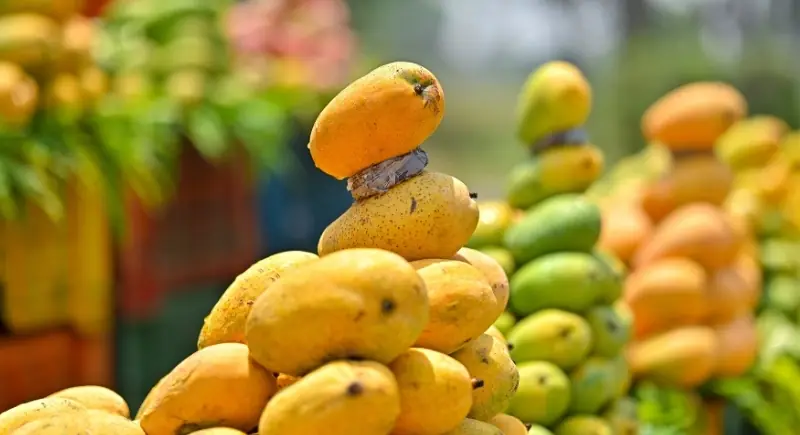
Since American farms can’t produce mangoes on a large scale, imports carry the load. Tariffs once made those shipments pricier during seasons when freight rates already spiked. Clearing those charges out of the way helps smooth things over for everyone in the chain. Supermarkets can stock more options, and companies that blend mango into juices or fruit snacks benefit from a steadier, more affordable supply.
Pineapples
Pineapples come in from places like Costa Rica and the Philippines, and those imports carry much of the U.S. supply. Tariffs once added extra strain to a market already dealing with choppy global shipping. Dropping those fees helps stabilize everything from canned pineapple to fresh-cut options. It also gives importers a little more room to navigate route delays, weather disruptions, and the rising cost of moving fruit across long distances.
Paprika
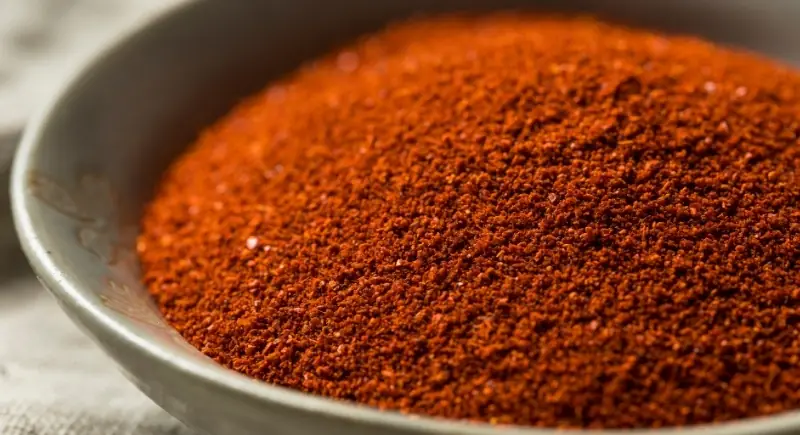
Most paprika reaches the U.S. from European and South American growers, and the drying-and-grinding process adds even more labor to the journey. Tariffs once nudged prices higher for manufacturers using the spice in everything from snack coatings to meal kits. Removing those fees eases that strain. It also helps stabilize the supply chain at a time when pepper harvests can fluctuate sharply due to shifting climate conditions.
Cashews
Tariffs had been pushing up the cost of cashew imports, especially during months of unstable global shipping. Removing those duties eases the pressure on importers and helps stabilize prices. Since most processing happens in Vietnam, India, and parts of Africa, the U.S. relies heavily on those regions. The change also helps manufacturers that use cashews in dairy substitutes, spreads, sauces, and snacks.
Brazil Nuts
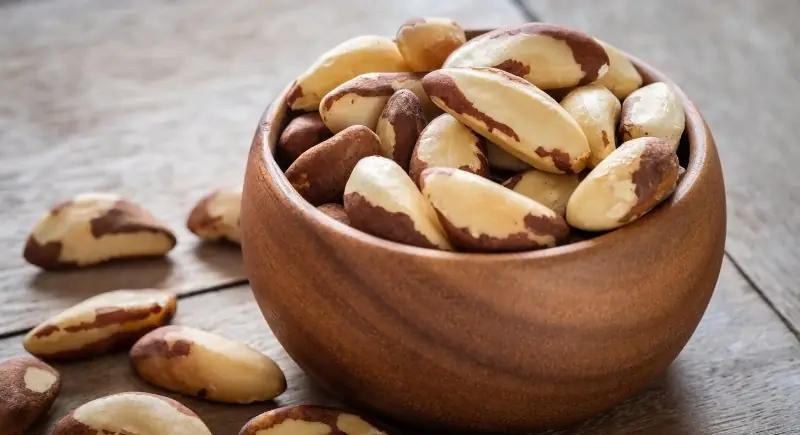
Brazil nuts grow almost exclusively in the Amazon region, which makes import dependence absolute. Tariffs complicated sourcing for snack brands that rely on nut blends. Dropping the duties simplifies pricing for companies that mix Brazil nuts into premium trail mixes or use them in specialty baking. Because the nuts are harvested from wild trees rather than plantations, supply can vary widely. The exemption helps soften the financial impact of those natural fluctuations on American retailers.
Coriander Seeds
Tariffs had been adding extra cost to every shipment of coriander, pushing up expenses for spice processors and food manufacturers. With those duties now lifted, supply becomes easier to manage and pricing stabilizes. Most of the coriander used in the U.S. arrives from India and Morocco, and it ends up in a wide range of products. Since the spice often anchors low-cost seasoning blends, the relief is likely to help keep those everyday mixes more affordable.