Eating in the U.S. and the U.K. might seem alike at first glance, but small details quickly reveal how different the two really are. Packaging, ingredients, and even the colors of familiar snacks shift noticeably between the two sides of the Atlantic. Labels list different additives, rules limit certain dyes, and companies tweak recipes to meet each region’s standards.
Here’s a breakdown of all the foods that taste different across the two regions.
Cheetos
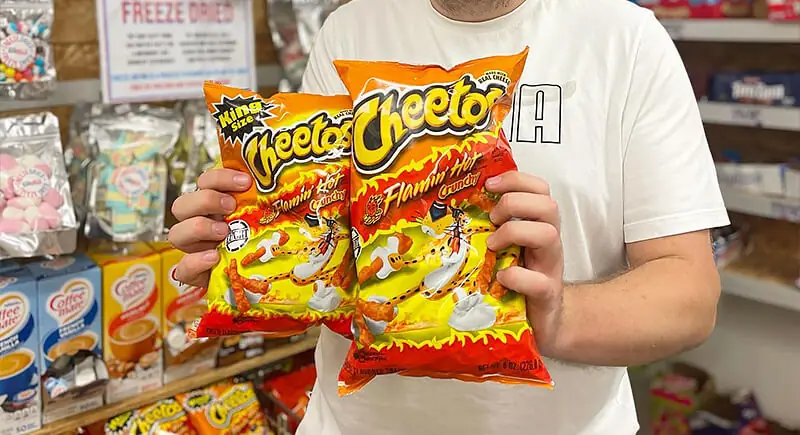
Cheetos sold in the U.S. get their intense orange color from synthetic dyes like Yellow 6 and Yellow 5. In the U.K., these petroleum-based additives are either banned or require warning labels, and so the snacks are made with natural colors like paprika extract.
McDonald’s French Fries
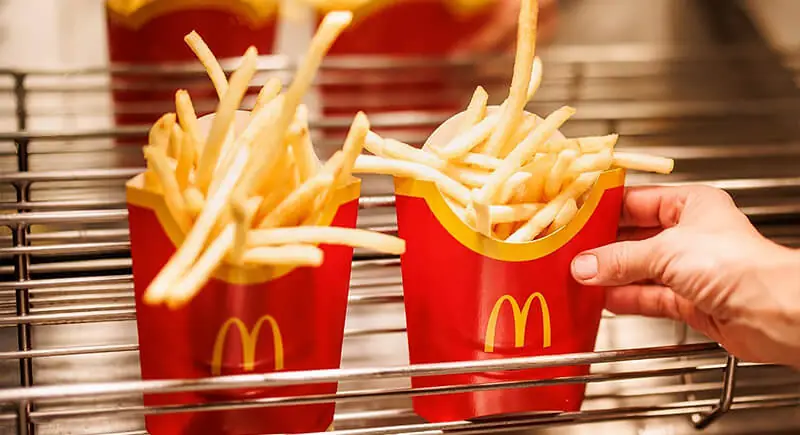
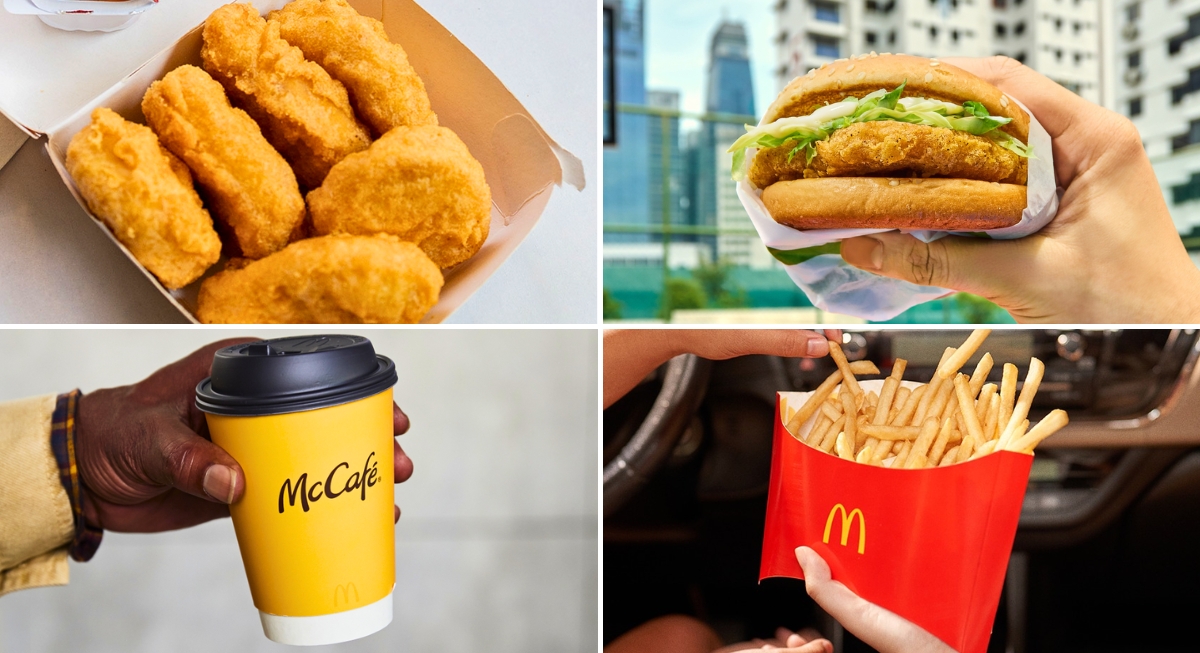
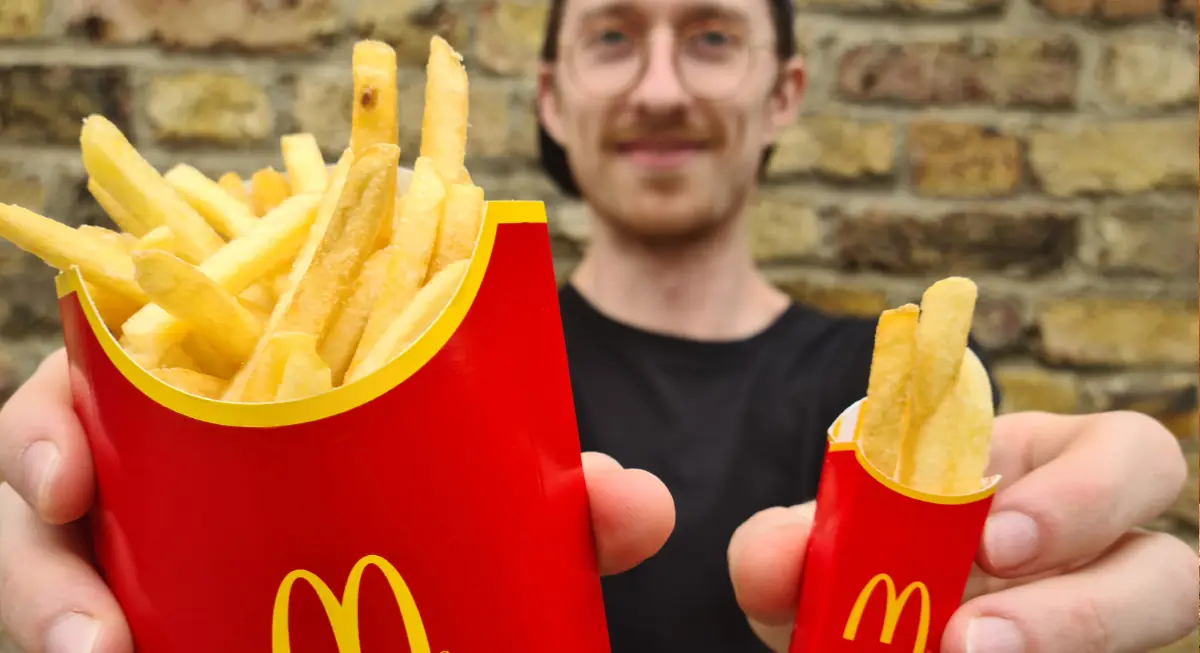
In the U.S., McDonald’s fries contain 14 ingredients, including additives like sodium acid pyrophosphate and dimethylpolysiloxane, an anti-foaming agent also used in silicone products. Conversely, the U.K. version is simpler, comprising just potatoes, vegetable oil, and salt.
Mountain Dew
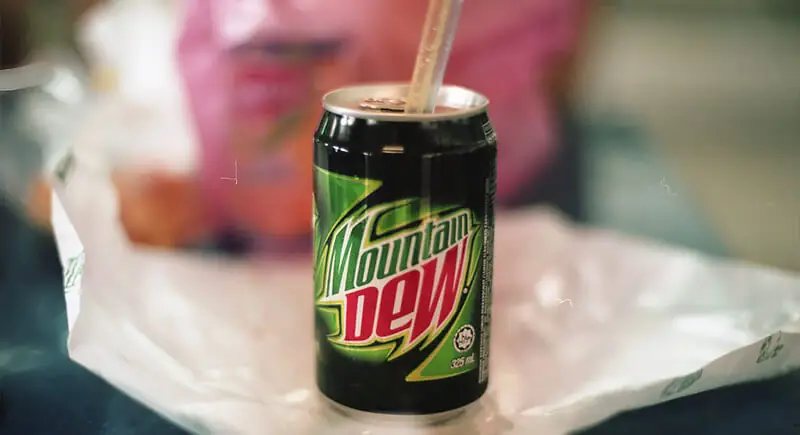
The U.S. version of Mountain Dew stands out for its neon hue, thanks to synthetic Yellow 5 and brominated vegetable oil (BVO), a stabilizer linked to thyroid and neurological issues in animal studies. In the U.K., neither ingredient is allowed. Instead, the drink uses beta carotene for color and skips BVO entirely.
Heinz Ketchup
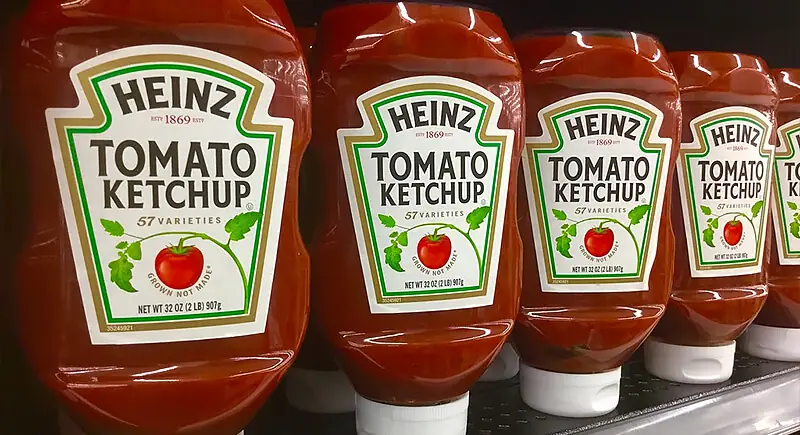
American Heinz ketchup contains high fructose corn syrup and undisclosed “natural flavoring,” both of which are common in U.S. processed foods. The U.K. version is cleaner by using sugar instead of syrup and avoiding genetically modified ingredients.
Doritos
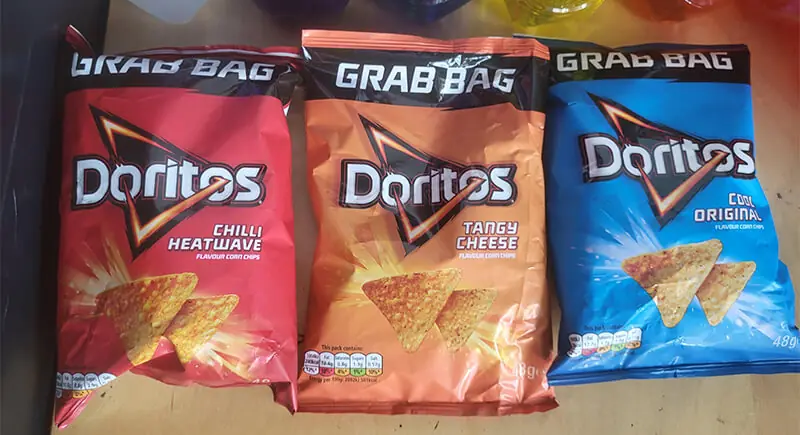
Doritos made in the U.S. get their vibrant color from petroleum-derived dyes like Red 40 and Yellow 5, additives that have raised concerns over potential health risks and behavioral effects in children. The U.K. version skips those entirely and instead uses natural ingredients like paprika extract and annatto to color the chips.
Kellogg’s Frosted Flakes
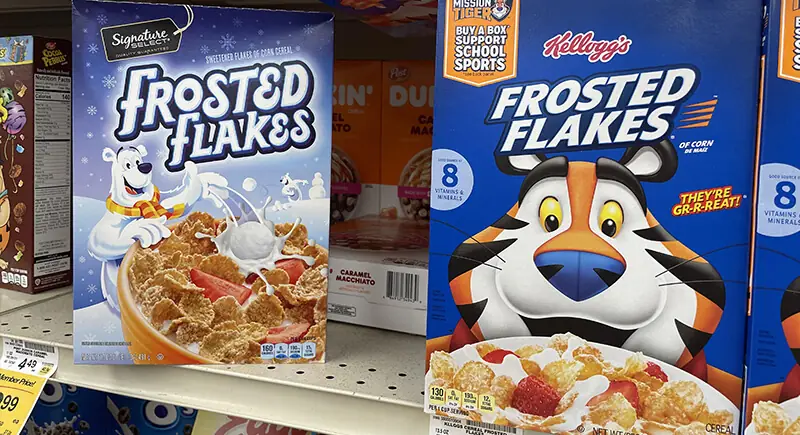
In the U.S., Frosted Flakes include BHT, a synthetic preservative linked to potential hormonal disruption and cancer risks in animal studies. Across Europe, this chemical is excluded entirely due to tougher food safety laws, which have led Kellogg’s to sell a cleaner, reformulated version.
Froot Loops
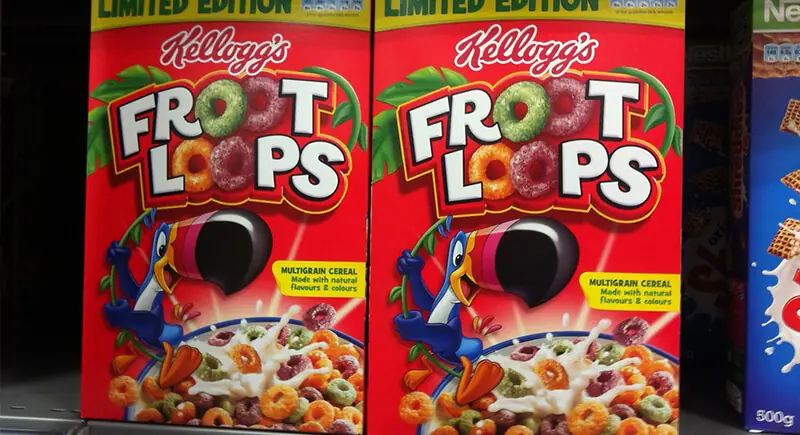
The American recipe for Froot Loops features several artificial dyes like Red 40 and Yellow 5. These synthetic colors have stirred debate over behavioral effects in children. European regulations prompted Kellogg’s to ditch the dyes and use fruit and vegetable concentrates instead, giving the cereal a more natural, muted look.
Gatorade
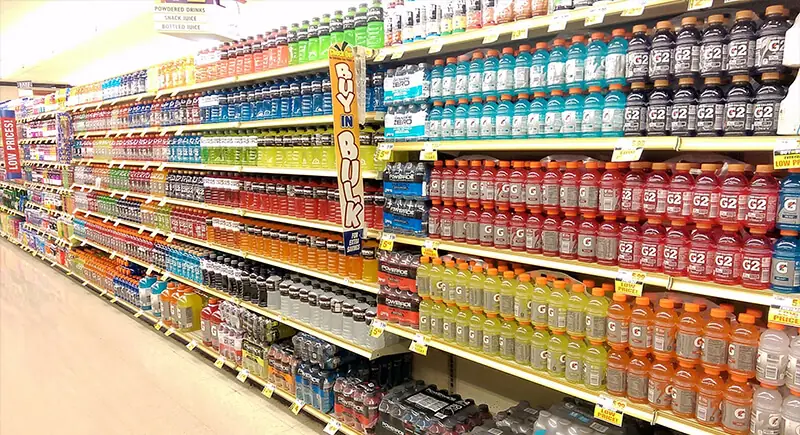
In the U.S., Gatorade’s bright colors come from artificial dyes that don’t exist in the European formula. Yellow 5 and Yellow 6 remain common in the American version, despite concerns. European countries phased them out by opting instead for plant-based coloring agents.
Skittles
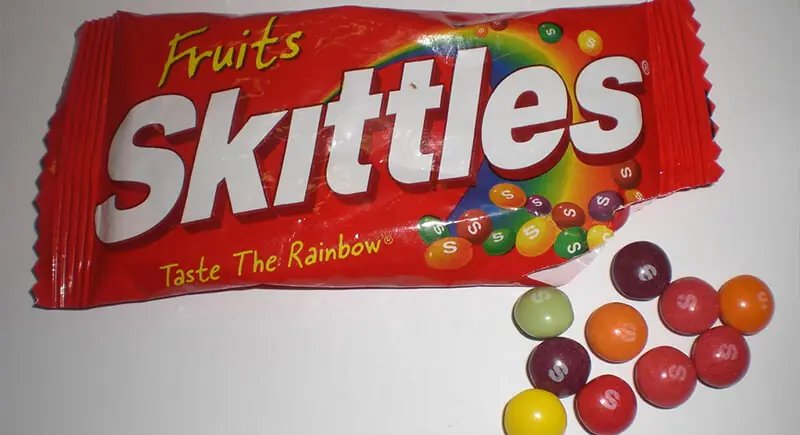
Titanium dioxide, a whitening agent found in American Skittles, is banned in the EU due to potential risks, including DNA damage. European Skittles no longer contain this additive. That change followed growing pressure from consumer safety groups.
Pop-Tarts
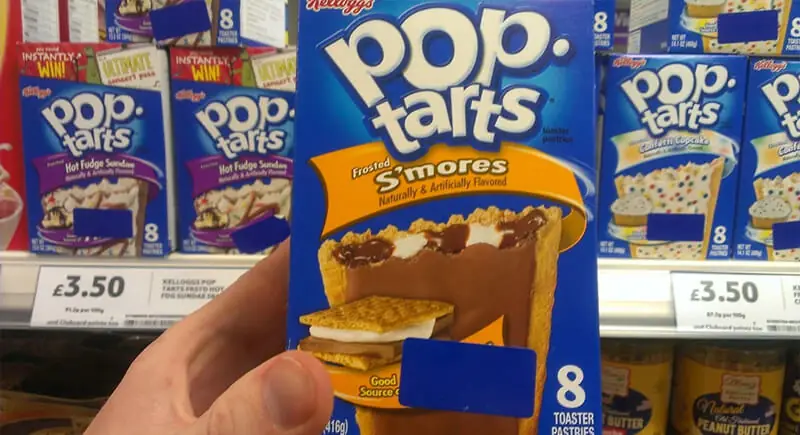
U.S. Pop-Tarts are known for their vivid colors and long shelf life, achieved using synthetic dyes and preservatives like BHT. The British versions skip those ingredients entirely. European rules prohibit several additives found in American pastries.
Starbucks Pumpkin Spice Latte
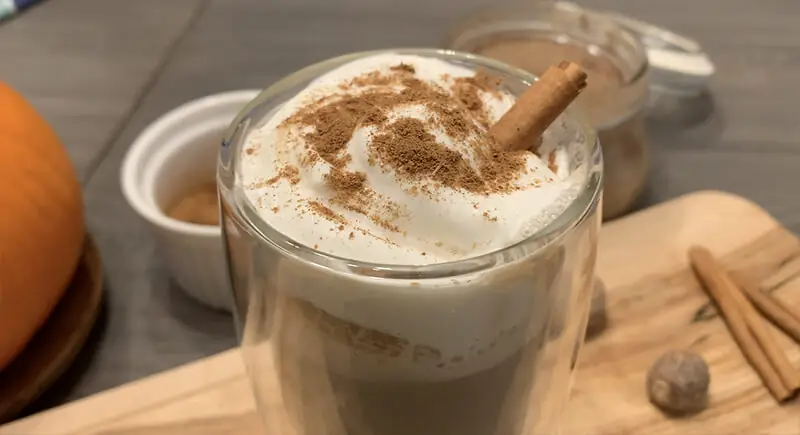
The American version of this seasonal drink often contains artificial flavors and caramel color. In the U.K., Starbucks revised the formula to include real pumpkin puree and avoid artificial coloring.
Subway Bread
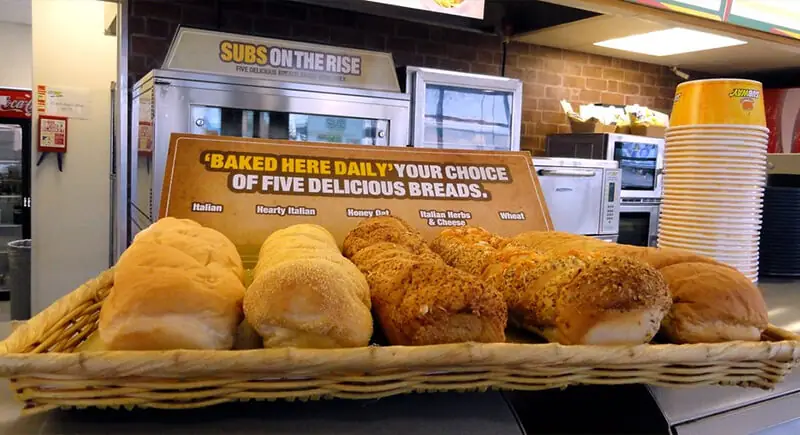
For years, Subway bread in the U.S. used azodicarbonamide, a chemical also found in yoga mats, as a dough conditioner. Although permitted by the FDA, the ingredient is banned in Europe. International branches have adjusted their recipe accordingly.
Kraft Macaroni & Cheese
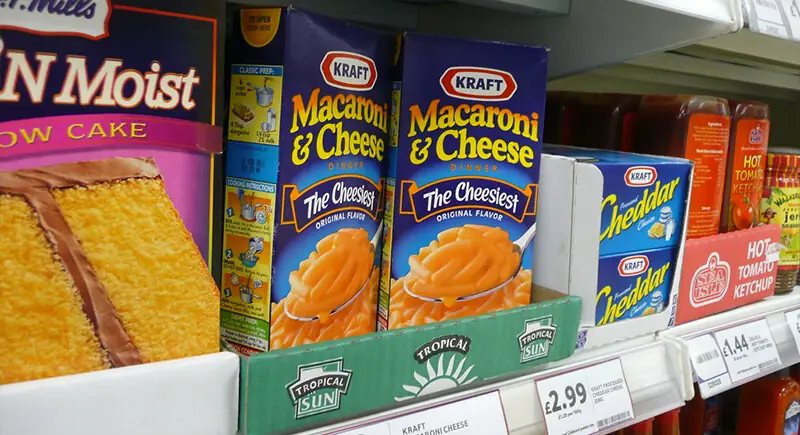
U.S. Kraft Mac & Cheese is famously bright yellow thanks to synthetic dyes. These additives are absent from the U.K. version, which uses paprika and beta carotene instead.
Coca-Cola
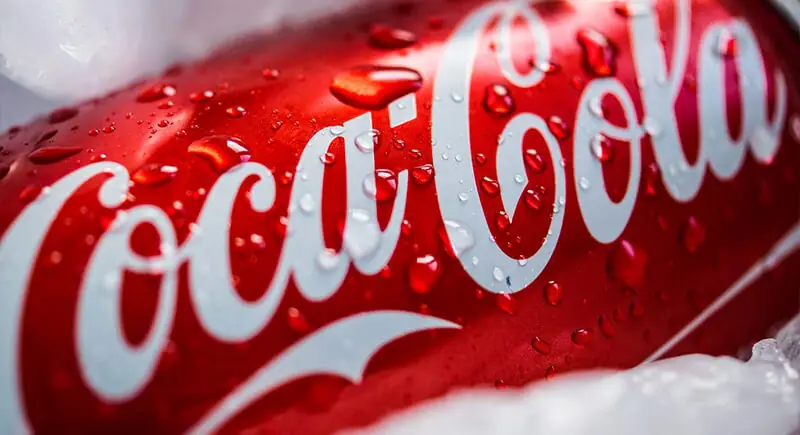
In America, Coca-Cola uses high fructose corn syrup, a cheaper sweetener linked to health concerns. Across the Atlantic, the same drink is made with cane sugar for a cleaner taste.
M&M’s
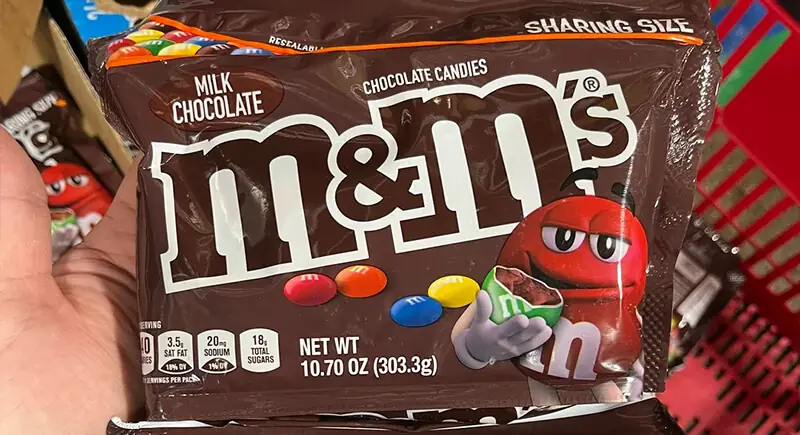
American M&Ms get their color from artificial dyes like Red 40 and Yellow 6, both of which have been scrutinized for possible behavioral effects in children. In the U.K. and much of Europe, those additives are swapped out for plant-based colorings.
Quaker Oatmeal
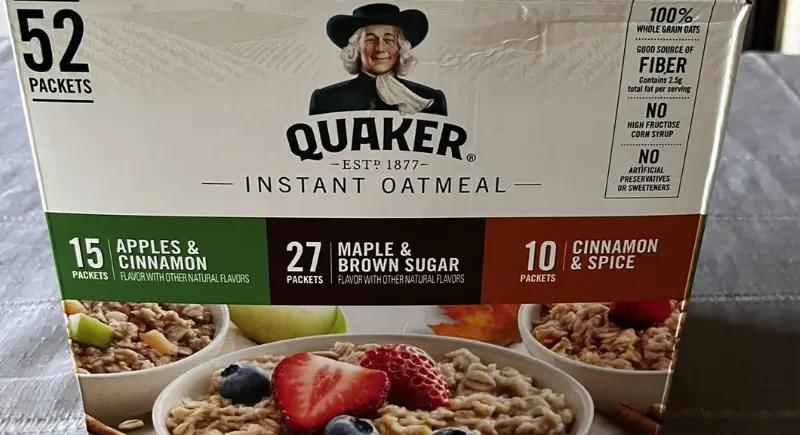
Quaker looks familiar on both shelves, until breakfast language comes into play. In the U.S., shoppers grab oatmeal packets. In the U.K., the same comfort comes in the form of porridge, with Oat So Simple sachets and pots doing the heavy lifting. Same warm bowl idea. Different grocery aisle accent.
Campbell’s Tomato Soup
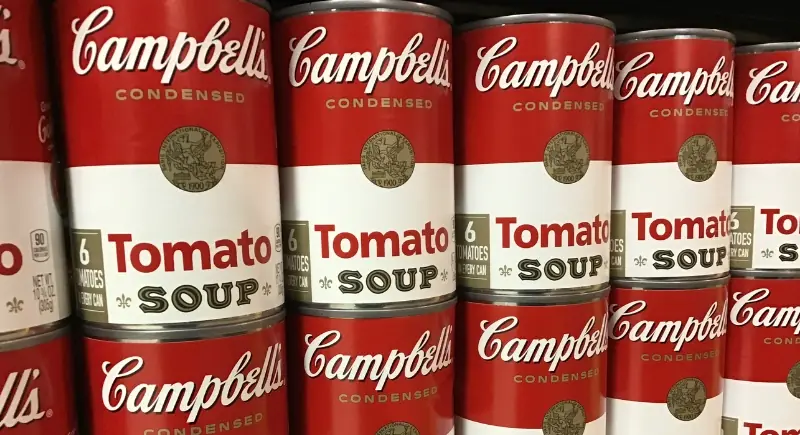
Campbell’s Tomato Soup changes more than the label in the U.K. The American can lists wheat flour and no dairy, while the British Cream of Tomato version includes double cream, milk proteins, rapeseed oil, and modified maize starch. Same red comfort food energy, but the recipe tells a different story.