
The ingredient list on your favorite snack might seem harmless enough until you dig a little deeper. Beneath the labels and behind the scenes, everyday foods hide strange additives, surprising substitutes, and unexpected sources. This article exposes 17 things you probably didn’t know you were chewing, sipping, or sprinkling on your dinner.
Titanium Dioxide Is Used in Salad Dressing

Titanium dioxide, commonly used in sunscreen to block UV rays, also appears in salad dressings to keep them creamy and fresh. It works by scattering light to prevent discoloration. While approved by the FDA in small amounts, some scientists have raised concerns about its potential toxicity when consumed over time.
Drinks Filtered Using Fish Bladders

It sounds fishy, but it’s true: many beverages were traditionally clarified using isinglass, made from the dried swim bladders of sturgeon. This gelatin-like filter helps remove yeast and particles and creates a clearer final pour. Guinness used it for over 250 years until it became vegan-friendly in 2018.
Shredded Cheese Contains Wood Pulp
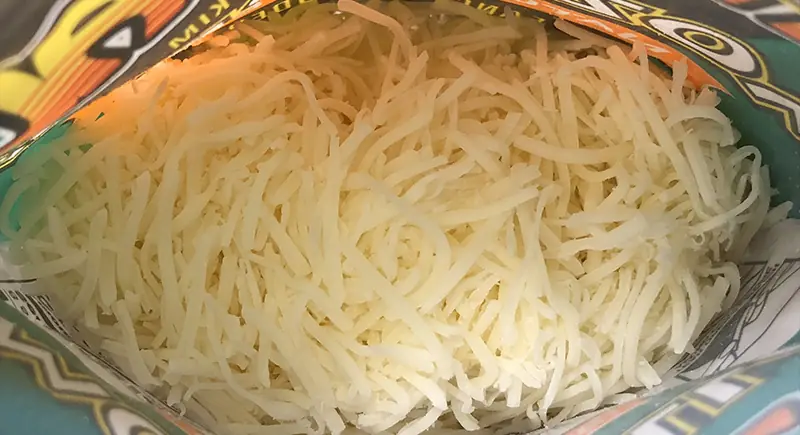
To keep bagged cheese from clumping, manufacturers add cellulose, a tasteless fiber that can come from wood pulp. It’s not sawdust, but it’s close—refined plant fiber that’s FDA-approved and widely used in food. A Bloomberg investigation in 2016 revealed some “100% grated Parmesan” products were up to 8% cellulose.
Chocolate Milk Includes Seaweed Extract
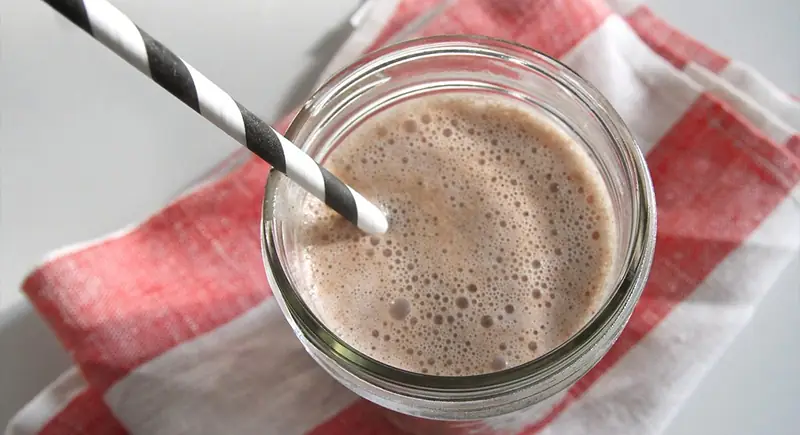
Carrageenan, a thickener made from red seaweed, often appears in chocolate milk, dairy-free beverages, and even ice cream. It helps keep liquids smooth and shelf-stable. Though carrageenan is natural, some researchers have linked it to inflammation and digestive issues, and several health advocacy groups continue to question its use.
Fast Food Fries Use a Silicone Additive
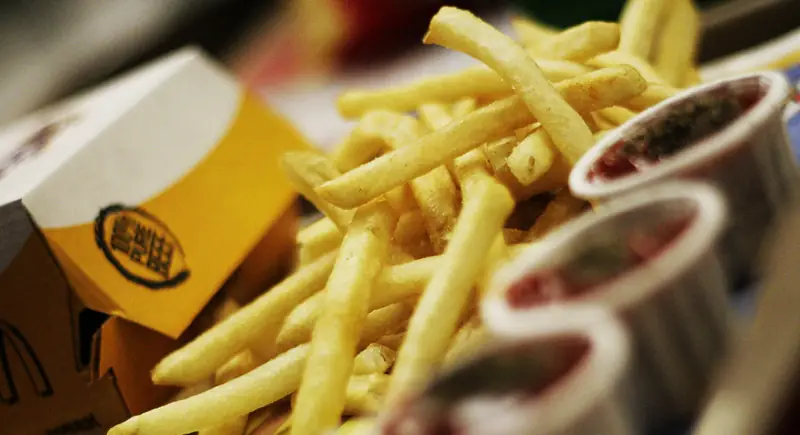
Dimethylpolysiloxane might not roll off the tongue, but it’s quietly working in the oil used to fry your fast food. This silicone-based compound helps prevent oil from foaming during high-heat cooking. It’s used in Silly Putty, but also in McDonald’s, Wendy’s, and others.
Processed Bread Contains a Yoga Mat Chemical
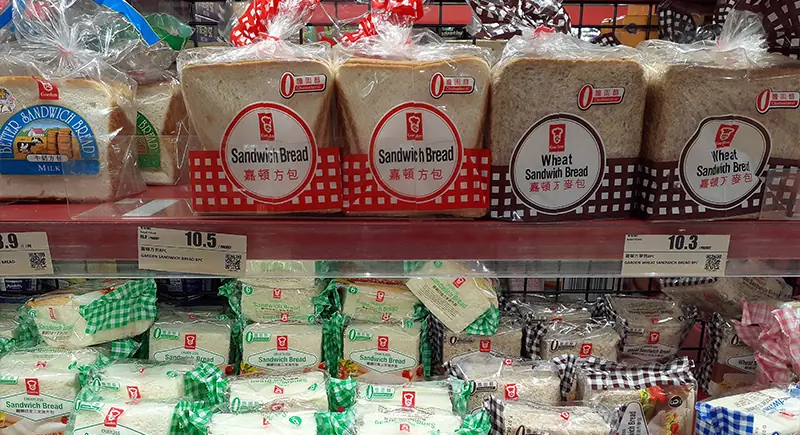
Azodicarbonamide, a chemical used to make yoga mats and shoe soles more flexible, also conditions dough in commercial bread. It helps bleach the flour and improve texture. Subway dropped it in 2014 after public backlash, but many baked goods in U.S. grocery stores still use it.
Red Food Dye Is Made from Crushed Beetles

Carmine dye gives foods like strawberry yogurt and cherry candy their vivid red color, and it comes from crushed cochineal insects. These bugs are boiled and dried to extract a rich pigment. While it’s a natural dye, the FDA requires it to be labeled on ingredient lists to alert sensitive consumers.
Toothpaste Contains the Same Mineral as Drywall
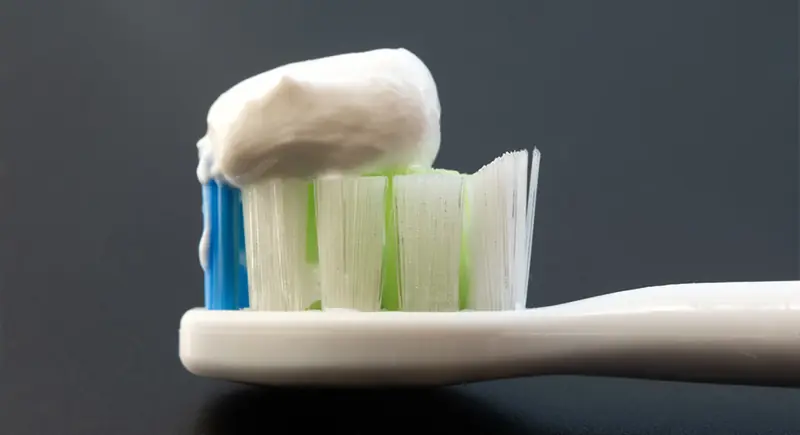
Gypsum, or calcium sulfate, is a mild abrasive found in toothpaste. It’s also used in drywall, plaster, and fertilizers. In food, gypsum helps condition water for brewing and is sometimes added to canned veggies.
Vitamin D in Cereal Comes from Sheep Wool
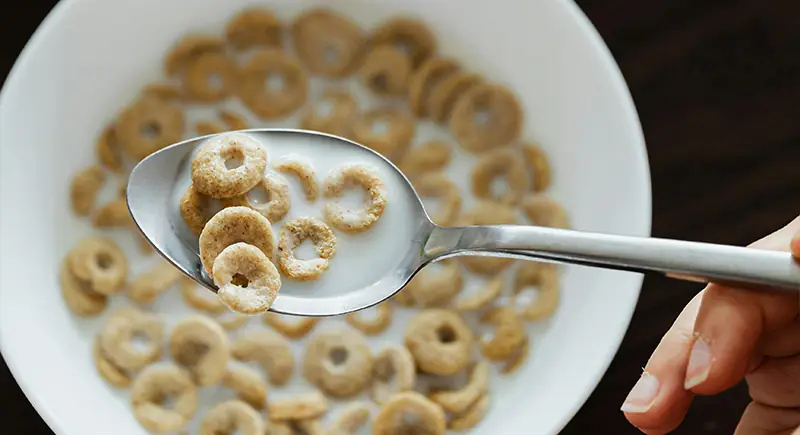
Many cereals fortified with vitamin D use lanolin, a waxy substance extracted from sheep’s wool. It’s collected during wool processing, then chemically treated to create a vitamin D3 additive. Some brands have started shifting to lichen- or mushroom-based D3 for plant-based consumers, but wool-derived D still dominates the market.
Frosting and Cake Mix Contain Antifreeze Ingredient

Propylene glycol keeps cake mix and frosting moist but is also a key ingredient in antifreeze. It absorbs water and prevents freezing, which helps preserve food texture. It is considered safe in small amounts, but there are strict regulations in the European Union in some food categories.
Canned Mushrooms Include FDA-Approved Maggots
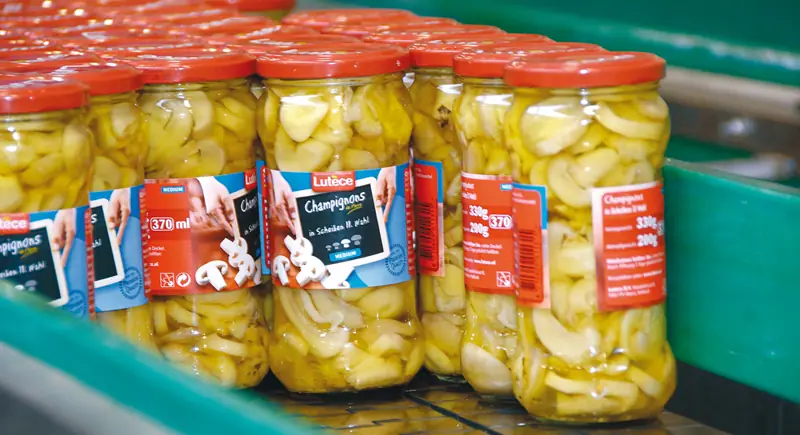
The FDA sets legal limits on how many insect parts can appear in food. Canned mushrooms, for example, are allowed to contain up to 20 maggots per 100 grams. It’s considered unavoidable in large-scale production. Other foods with accepted insect content include canned tomatoes, peanut butter, and frozen broccoli.
Mechanically Separated Meat Is Used in Processed Foods
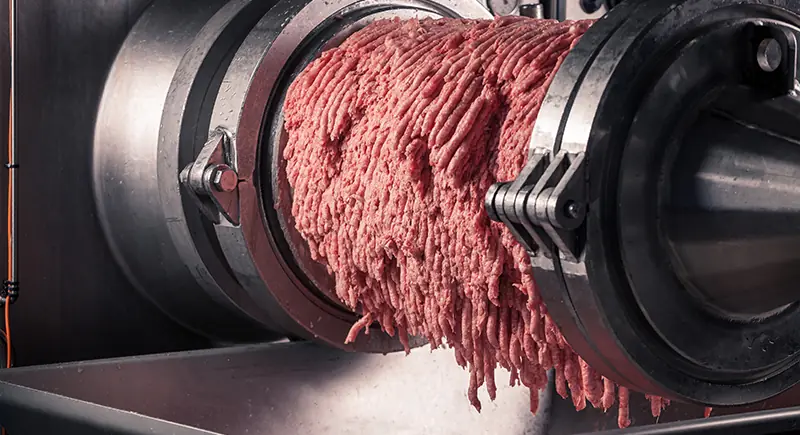
Mechanically separated meat is created by forcing carcass remnants through a fine sieve to separate edible meat from bone. It’s a cost-effective way to use every bit of the animal, and it shows up in hot dogs, chicken nuggets, and deli meats. In some cases, it’s treated with ammonium hydroxide to remove bacteria.
Dough Softeners Are Made from Duck Feathers and Hair

L-cysteine is an amino acid used to make dough easier to knead and machine-process, and is often used in rolls and pizza crusts. What’s less known is that it’s often sourced from duck feathers or even human hair. The resulting compound is filtered and processed, but it still raises eyebrows.
Fast Food Chili Includes Food-Grade Sand
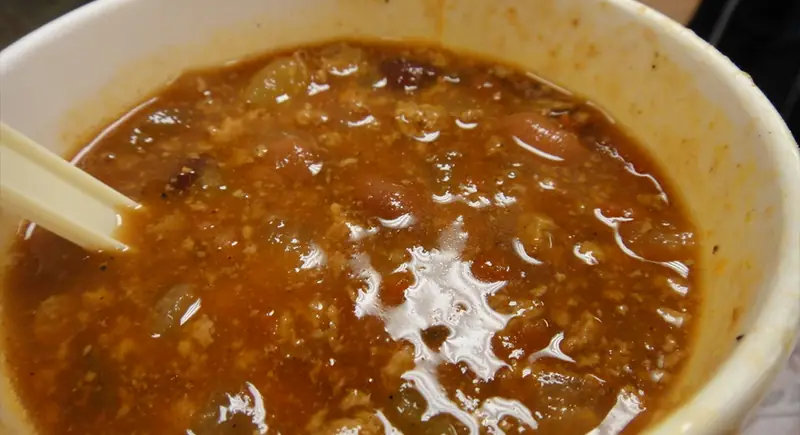
Silicon dioxide helps keep powdered seasonings and processed meat mixtures free-flowing. It also prevents clumping in chili and taco fillings during transport and storage. Though it’s technically “food-grade sand,” it’s not harmful in the small amounts allowed. Taco Bell and Wendy’s have both used it in their recipes.
Sushi Often Contains Mislabeled Fish
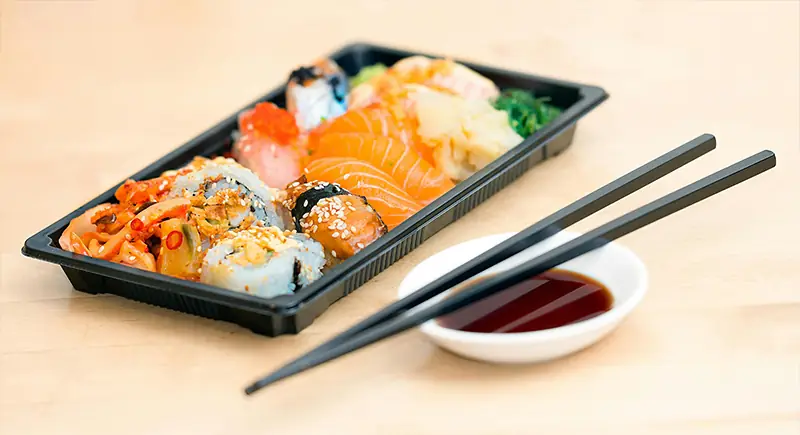
That white tuna on your sushi roll might actually be a cheaper variant named escolar. A study by Oceana found that seafood mislabeling happens in nearly every major U.S. city, with sushi spots being the biggest offenders. DNA tests uncovered widespread swaps involving snapper, grouper, and halibut, too.
Castoreum in Vanilla Flavoring

The vanilla rumor has teeth, but breathe. Castoreum comes from beaver castor sacs and has FDA GRAS status, so it can sit under “natural flavor.” Here is the catch: hardly anyone uses it in food now. It costs too much, takes too much work, and lives more in perfume lore than ice cream.
Shellac on Candy and Produce
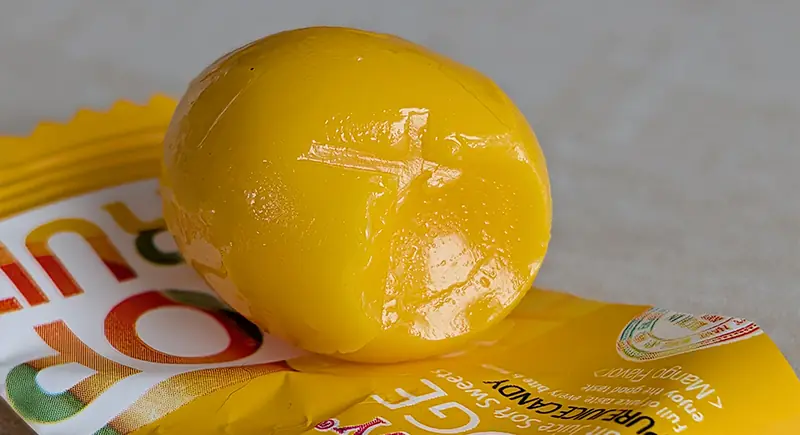
That shine on jelly beans and apples has a backstory. Shellac, also called confectioner’s glaze, comes from resin secreted by lac insects. Food makers use it for gloss and protection, not flavor. The FDA lists purified shellac as a food substance, so the candy bowl is safe, just less innocent.