Everyday routines in the 1970s relied on physical tools and manual systems that shaped how people worked, communicated, and traveled. Many tools that once defined daily routines are now out of circulation or found in secondhand shops. But all of them show just how much daily life has shifted since then.
Here’s a look at what used to be essential but doesn’t even cross people’s minds anymore.
Phone Switchboards
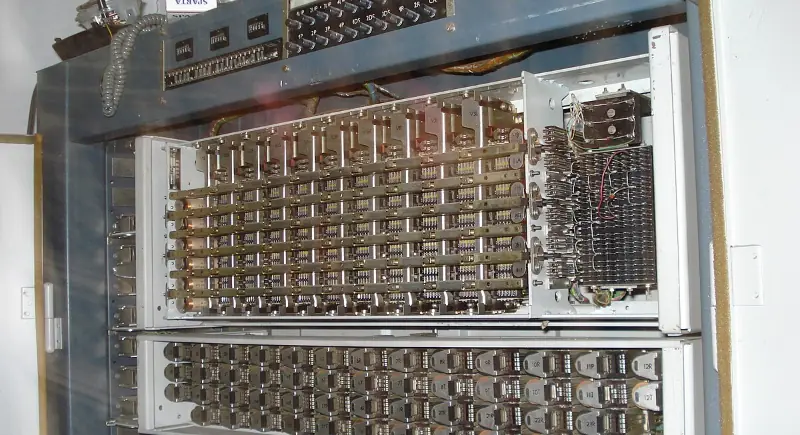
In early phone systems, someone physically made the connection for your call. Switchboard operators wore headsets and moved cables between jacks like managing a manual switchboard puzzle. Eventually, electronic systems made this effort unnecessary. Once automated exchanges arrived, switchboards were done.
Leaded Gasoline
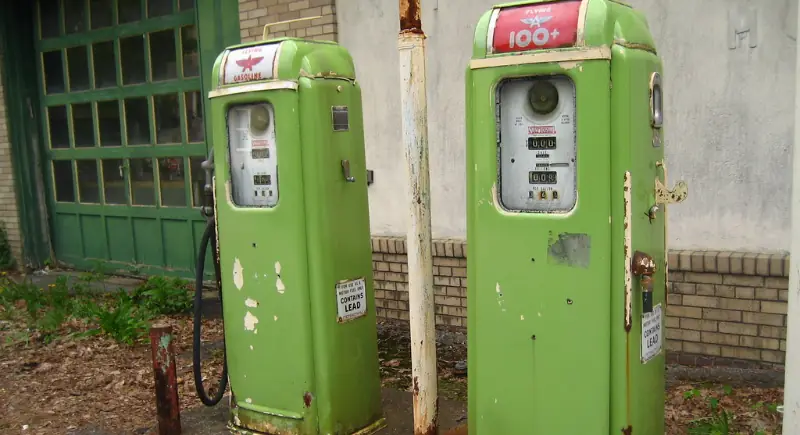
For years, car owners turned to leaded gasoline as a standard fuel choice, unaware that it was toxic. Lead made engines run better, but over time, studies showed it was poisoning the air, harming children, and contaminating soil. By the mid-‘80s, it was phased out in many countries.
Slide Projectors
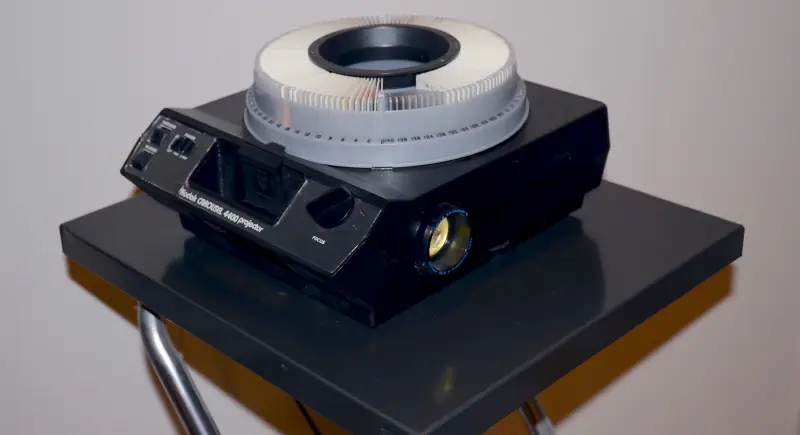
Family photo night meant dimming the lights and hoping the tray didn’t jam halfway through. Slides were loaded one at a time into a circular or straight tray. You’d hear that click, and then the image appeared, crooked or dusty, depending on how carefully it was handled. The setup required patience and frequent adjustments.
Carbon Paper
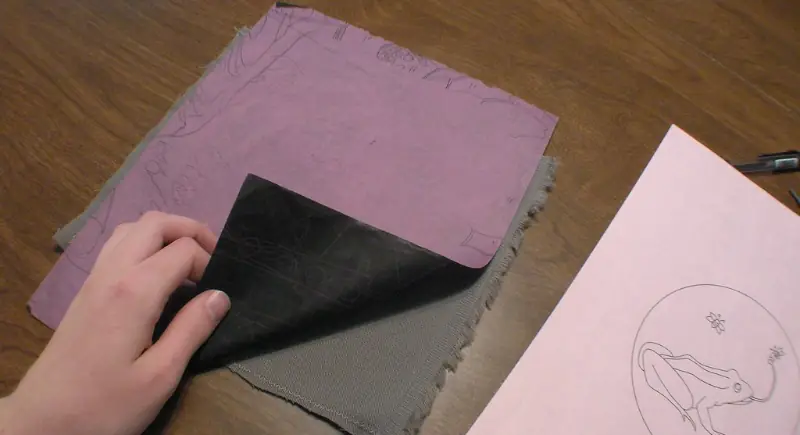
Carbon paper lived in desks, near the typewriter. You placed it between pages to replicate typed or written content. It left marks on everything; your hands, the desk, your clothes. Copies were hit-or-miss depending on how hard you pressed.
Typewriters
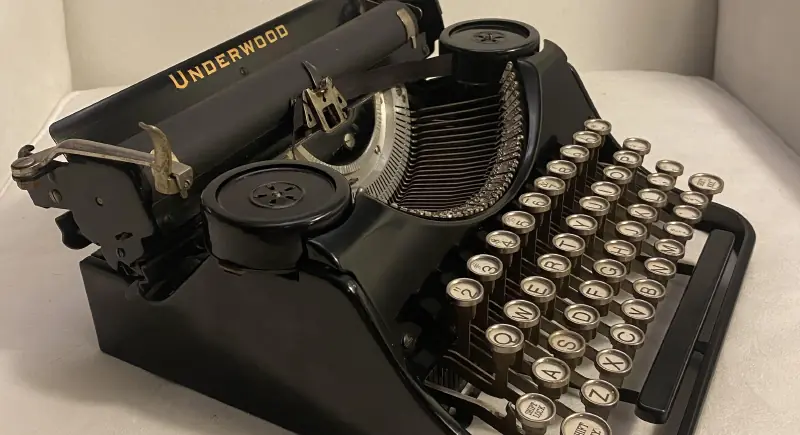
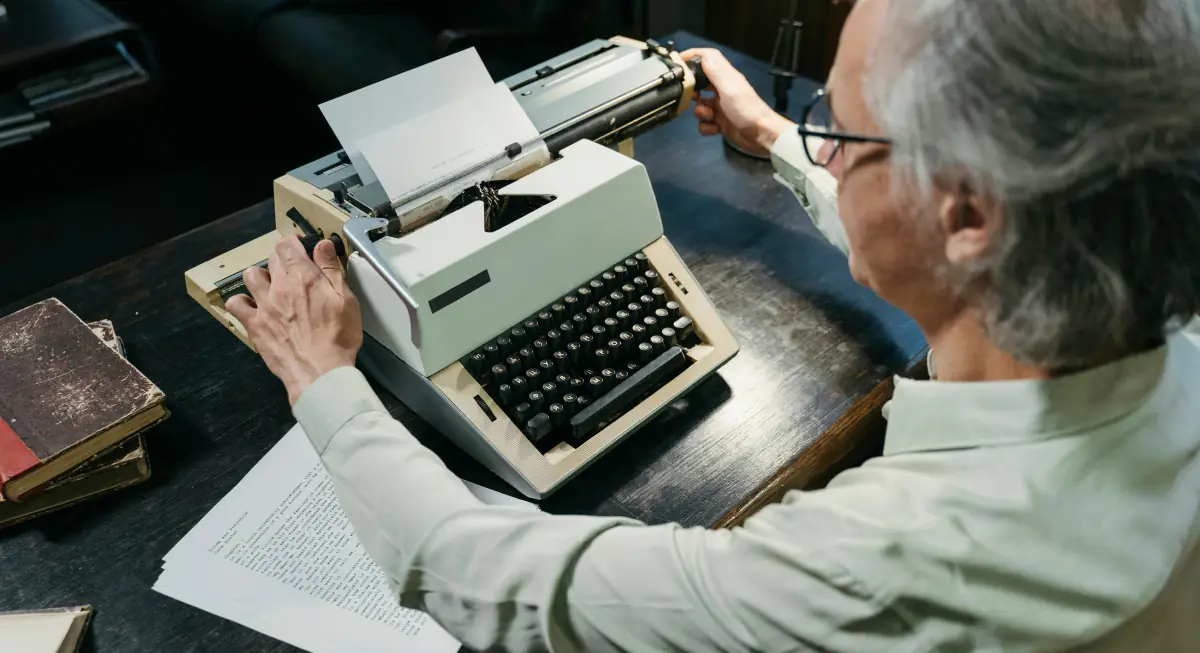
Speaking of typewriters, these mechanical devices used inked ribbons to stamp characters onto paper, one key at a time. Pressing a key lifted a corresponding metal arm to strike the ribbon with enough force to leave a printed letter. Corporate employees, writers, and students relied on them for formal documents long before word processing became standard in most environments.
CB Radios
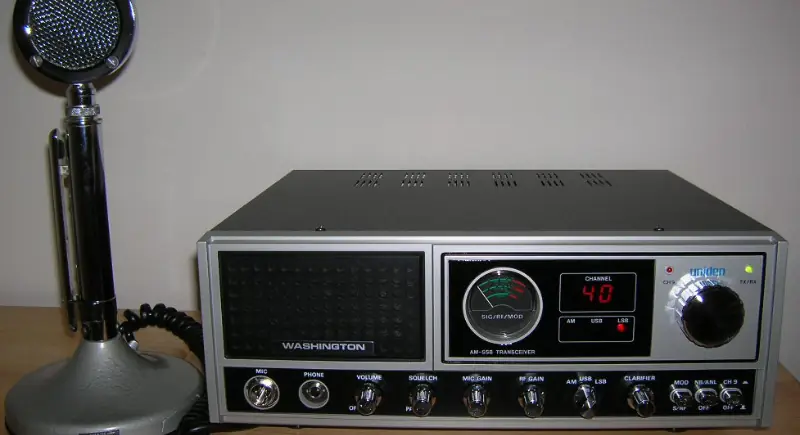
CB radios operated on short-range frequencies and enabled real-time communication between vehicles without any wiring or infrastructure. Truckers used them to share road updates, ask about conditions ahead, or pass the time during overnight drives. The system ran on channels and was open to anyone listening.
Punch Cards
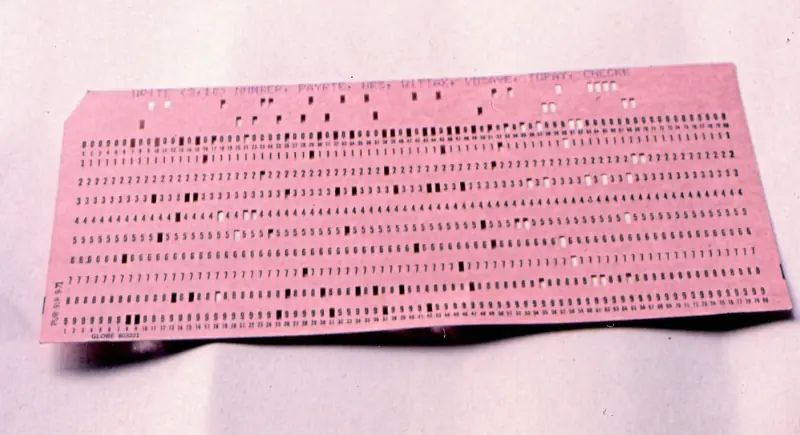
The computers that we see today are quite different from the earlier models. During the 70s, these devices did not have keyboards. Instead, they had stacks of stiff cards with tiny holes. They carried part of a command that needed to be processed in order. But a misplaced or dropped stack could scramble an entire program.
Card Catalogs
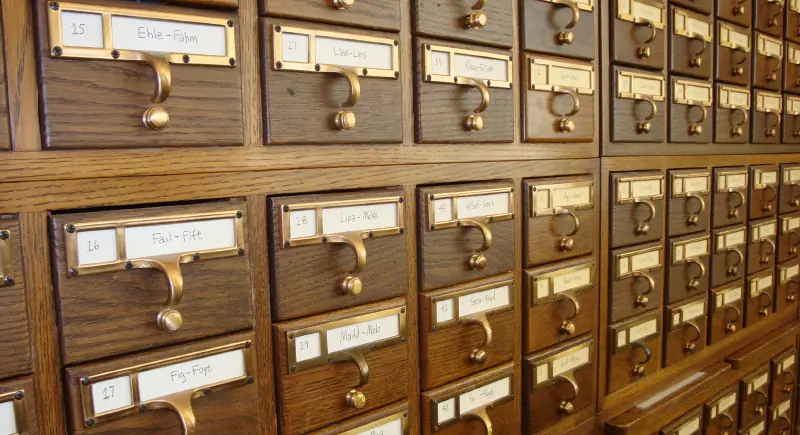
The drawers were heavy, packed tight with handwritten or typed index cards. Finding a book took time. Still, there was something satisfying about flipping through a row until you found what you needed. Digital systems soon replaced the slower process.
Mimeograph Machines
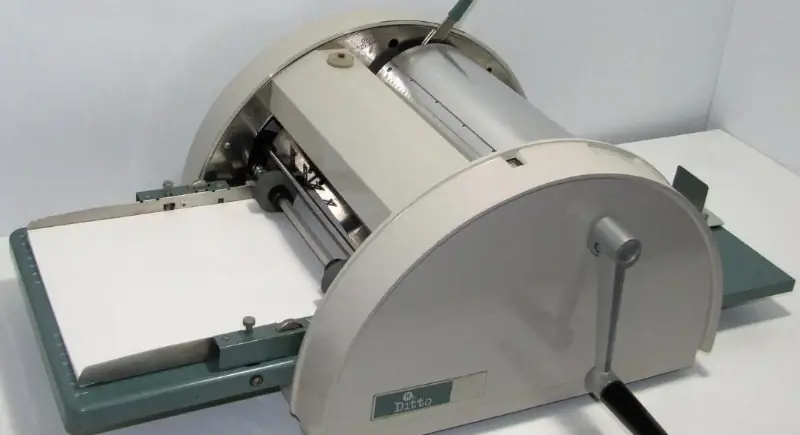
When the time came to use mimeograph machines, you cut a stencil, attached it to a drum, cranked it by hand, and tried to avoid smudging or over-inking. Pages came out smelling like chemicals, often still damp. For schools and churches, it worked because it was cheap. But the distinctive blue ink faded with the machines themselves.
Physical Maps
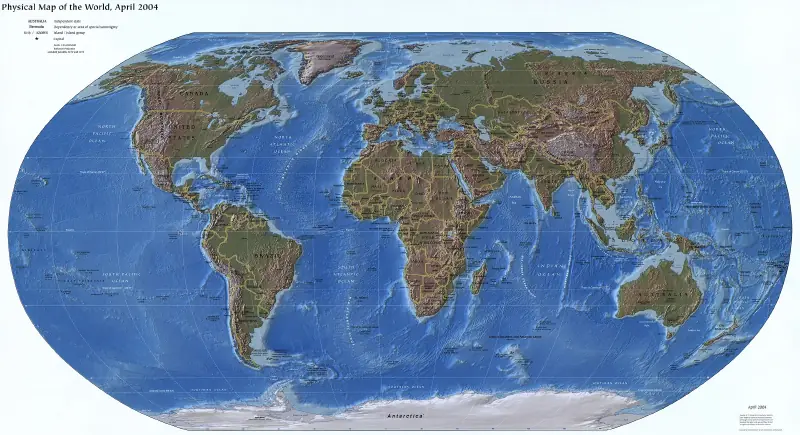
Many drivers stored folded paper maps in their glove compartments, even if they never used them. In case you got lost, you pulled over and figured it out manually. You couldn’t zoom in, nor could you ask for the fastest route. You just had to read the road. As time passed, maps often ended up torn or forgotten in drawers.
Film Canisters
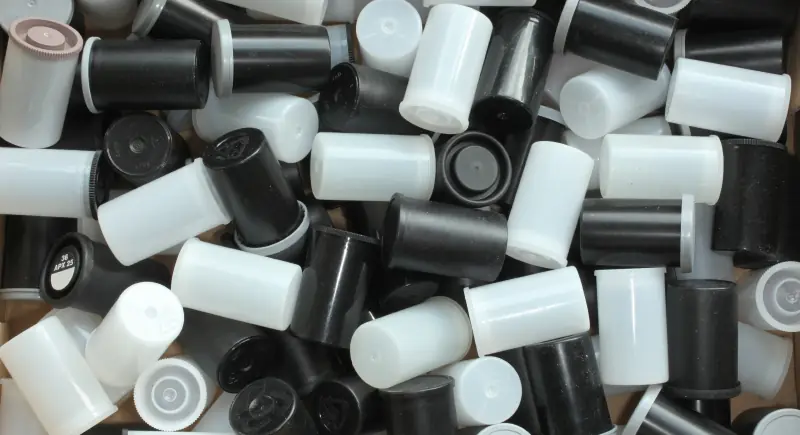
Film canisters were designed to protect rolls of 35mm film before and after use. You’d load the roll during the day, seal the canister, and hold onto it until the film was developed. After that, they were commonly reused for small household storage.
Manual Crank Windows
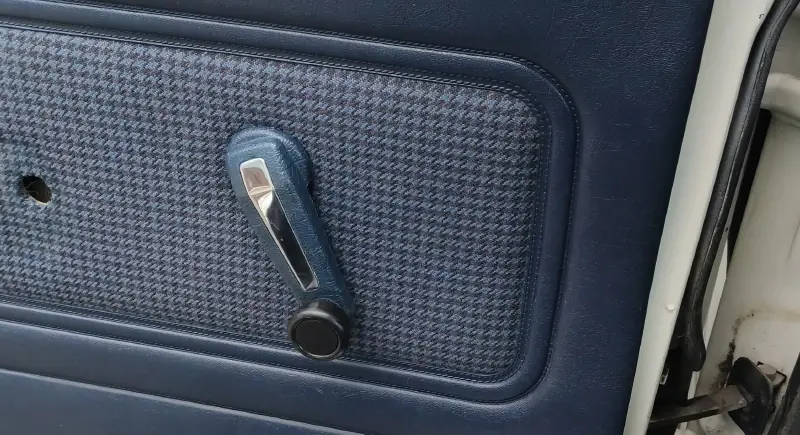
Rolling down the window required a hand-crank and some effort. If the car were older, it might stick halfway. But they rarely broke, and you didn’t need electronics to fix them. Then, power windows were standardized, and suddenly, the crank was gone.
Rotary Phones
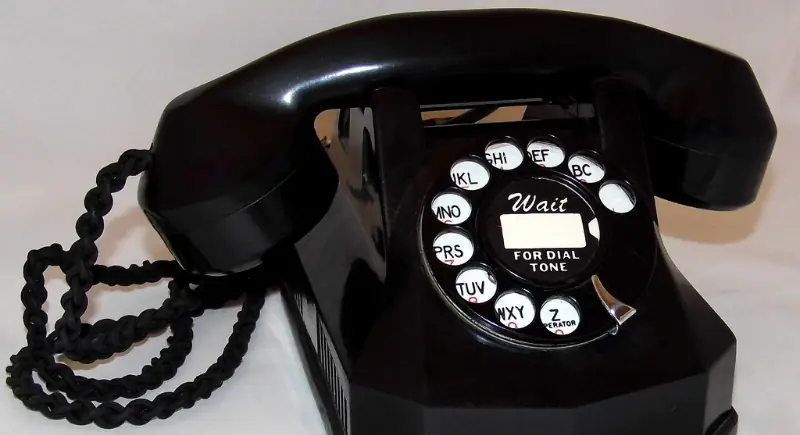
Before touch tones and speed dial, most phones relied on a circular dial built into the base. It took patience, especially if the number had a lot of nines or zeros. The clicking sound as the dial returned became part of the routine.
Answering Machines
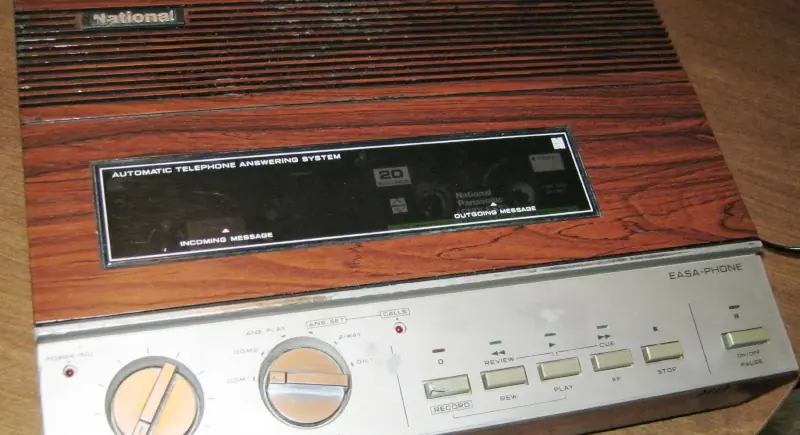
Before voicemail, missing a call meant hoping the caller tried again or using an answering machine. These devices recorded messages onto cassette tapes or digital chips, often with a short greeting recorded by the user.
Correction Fluid (Liquid Paper)

A typing mistake used to mean stopping everything and reaching for a small bottle of correction fluid. As computers allowed real-time editing and reprinting, correction fluid became unnecessary and gradually faded out of use.
Printed Encyclopedias
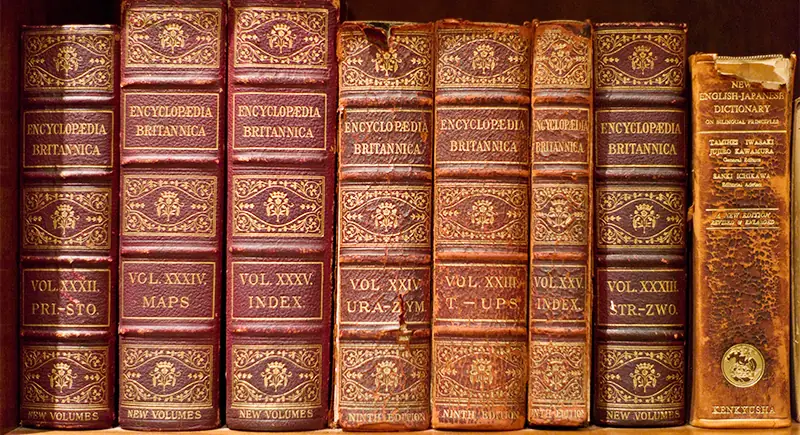
Printed encyclopedias once held pride of place in living rooms, lined up neatly as a symbol of knowledge at home. Research meant flipping through heavy volumes and hoping the information was up to date. Over time, faster digital sources replaced them, leaving those multi-book sets to gather dust or get donated.
TV Guides
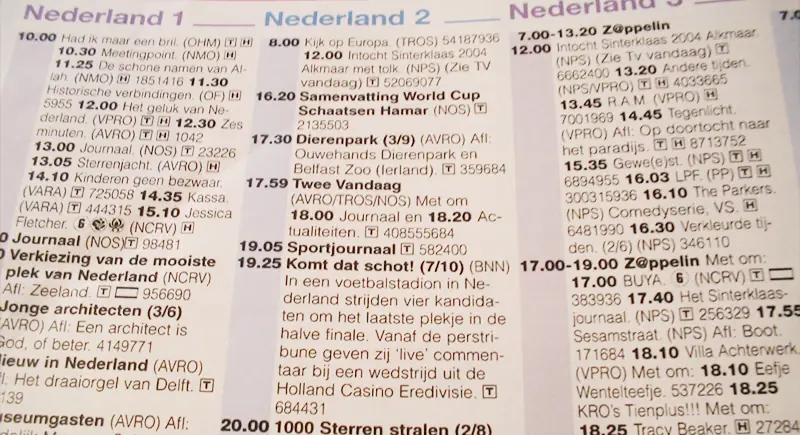
TV Guides were part of the weekly routine, sitting on coffee tables with pages full of channel schedules and show times. Planning what to watch meant scanning listings and circling favorites. With on-screen menus and streaming, that ritual faded, and the printed guide quietly disappeared from everyday use.