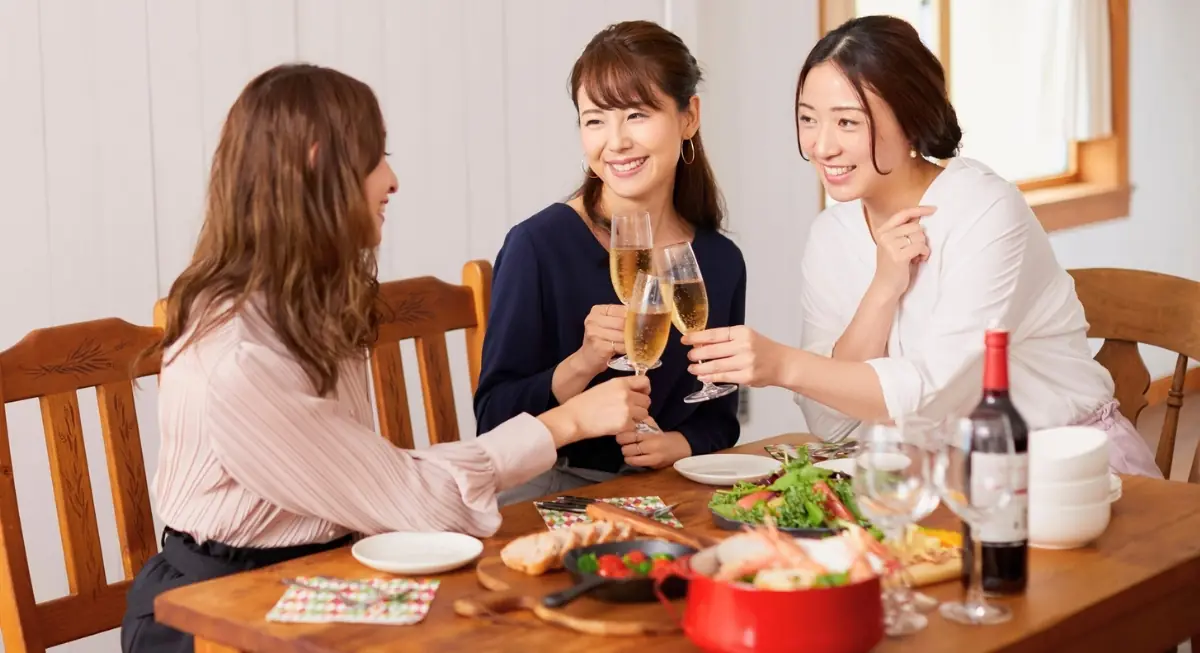
In the early 1960s, single women could host full-scale dinner parties that rivaled any formal gathering. Magazines offered complete instructions for planning every detail of these evenings. Hostesses followed strict guidelines about lists, décor, guest selection, and timing.
These parties acted as social platforms and expressions of competence rather than romantic displays. They demonstrated a woman’s ability to manage a household and an event on her own.
Planning Ahead Created Order
Magazines of the time emphasized preparation as the secret to hosting a successful party. Hostesses were encouraged to keep a master checklist that covered every part of the evening—food, drinks, guest lists, decorations, and entertainment. Each category had its own list, placed somewhere visible so nothing was overlooked. The golden rule was that all the effort should remain hidden and that guests experience only the polished result, never the work behind it.
It was also believed that a well-planned gathering began long before the first knock on the door. Even clothing and hair were part of the plan. Articles recommended setting aside two full hours to get ready in comfortable but attractive outfits.
This approach allowed a single woman to demonstrate capability equal to a professional in an era without catering apps or online RSVPs. Thinking beforehand also reduced last-minute crises, which helped maintain a relaxed and confident atmosphere once guests arrived.
Guest Selection Determined Atmosphere
Choosing who to invite was treated as a skill. Articles advised a careful balance among personalities. A strong conversationalist could energize a group but dominate a small table, so writers suggested reserving such attendees for larger gatherings. Feuding acquaintances were excluded to prevent tension. Editors even recommended a slight surplus of male individuals at informal parties, which reflected mid-century social codes. Age groups were separated to keep adults, teens, and children in settings that suited them.
The goal was a mix that would create steady conversation without awkward pauses or conflict. Hostesses acted as social conductors and placed people so that talk would flow naturally. This preparation extended beyond invitations to the flow of the evening, with the hostess greeting people, introducing them, and quietly monitoring interactions.
The Segregation of Duties Between Genders

Period articles divided responsibilities between men and women. The man of the house or a male friend usually controlled the drinks. He selected and ordered beverages, poured them during the party, and made sure bottle openers, garnishes, and ice were available.
This arrangement freed the hostess to handle food, presentation, and guest relations, since décor and table settings received as much attention as the menu. Paper media published color schemes down to the shade of napkins and flowers: lemon-yellow cloth with cinnamon napkins and marigolds, or cocoa-brown cloth with hot-pink napkins and geraniums. Vegetables, fruit, dried leaves, and berries were suggested for centerpieces to avoid high costs.
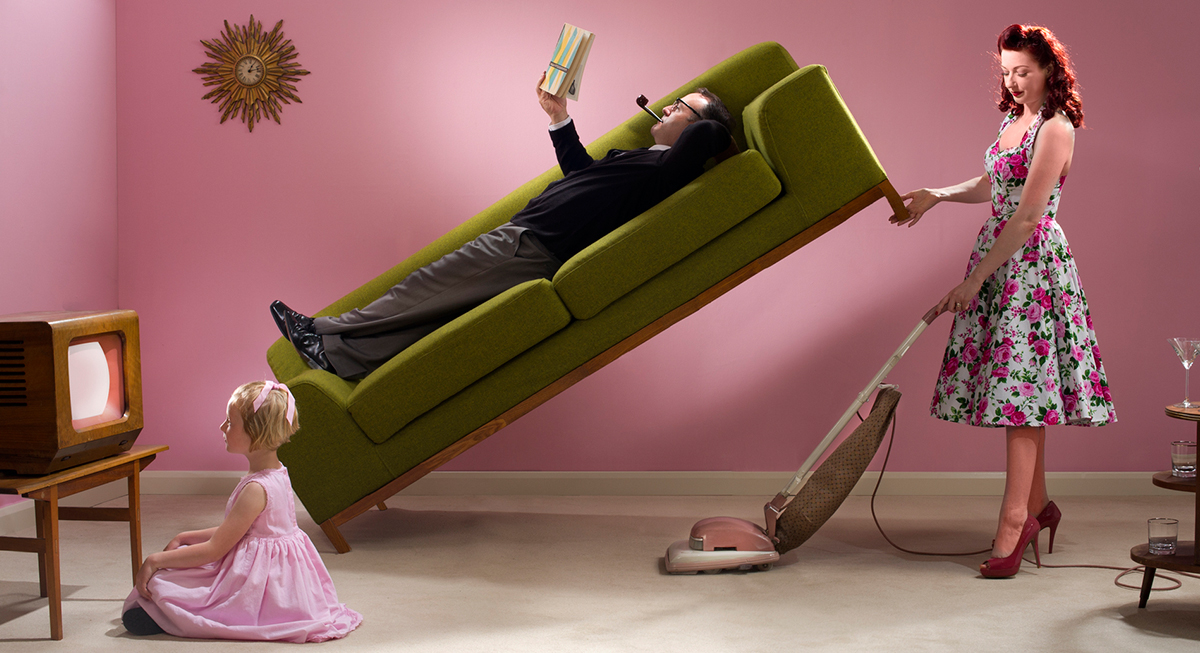
The separation of duties also reflected the gender expectations of the time, with visual presentation tied to feminine skill and drink service linked to masculine authority.