Food tampering is uncommon, but safety investigations repeatedly show that early detection often begins with someone noticing a small detail and taking it seriously.
Modern food production is built on consistency. The reliability makes unexpected changes easier to spot. Paying attention to anything that does not match how a product usually looks, tastes, smells, or makes you feel after eating can help lower risk and prevent illness.
Packaging That Does Not Match Normal Factory Sealing
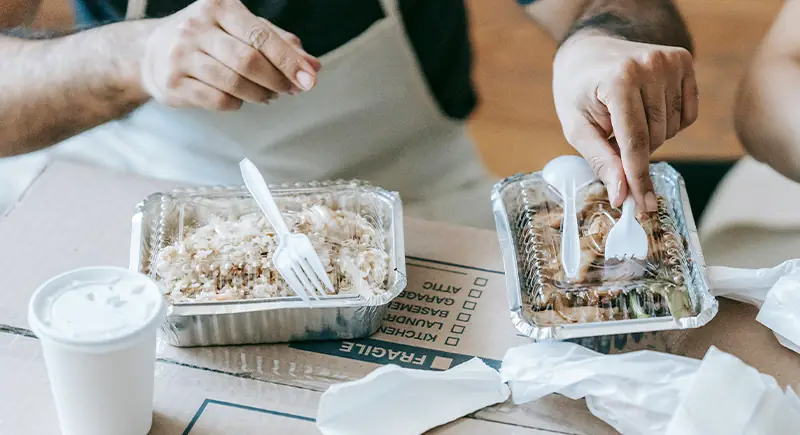
Mass-produced food packaging is engineered to look almost identical across thousands of units. If a tamper band is missing, plastic wrapping looks uneven, or a container opens without the normal resistance, it deserves a second look. The package may have been opened or damaged after leaving the factory.
If something does look off, comparing it with another identical item on the shelf can help confirm whether the difference is real.
Taste That Feels Chemical Or Unnaturally Harsh

A sudden taste shift that does not match a food’s normal flavor profile should raise concern. Natural spoilage often produces sour, fermented, or bitter flavors, while some contamination can create sharp metallic, chemical-like, or unusually harsh tastes.
It’s important to note that taste is not a reliable safety test because some harmful substances have no taste. If a familiar food suddenly tastes very different in a way that feels alarming or unnatural, the safest choice is to stop eating it immediately.
Smells That Do Not Match Normal Spoilage Patterns
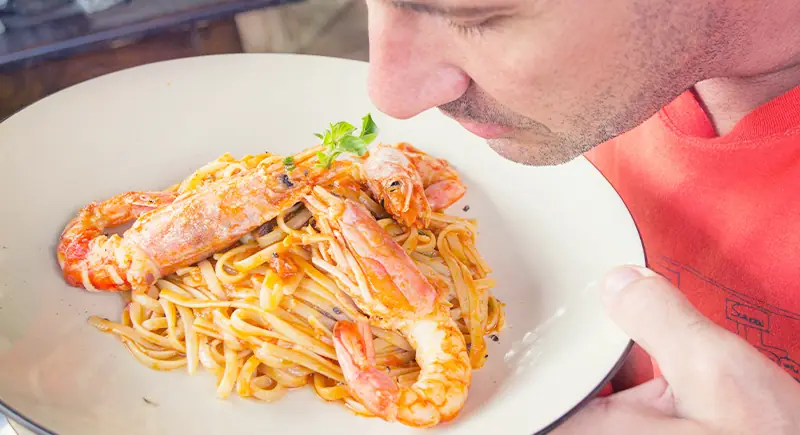
Most foods develop recognizable odors as they age. When a product produces a smell that does not match its normal spoilage pattern, that mismatch can signal a problem.
At the same time, some contamination produces little or no odor, so the absence of smell does not guarantee safety. But if the smell does not feel right for that product, discarding it is usually the safer option.
Strong solvent-like odors, synthetic chemical smells, or scents that seem completely out of place for a food category should be treated cautiously.
Foreign Particles Or Unexplained Residue
Unexpected material inside food is a major red flag. This can include powder residue, floating debris, or particles that clearly do not belong in the product.
Manufacturing contamination is rare but possible. Intentional contamination is even rarer but is taken seriously in food defense systems. Any visible foreign material should be treated as unsafe.